
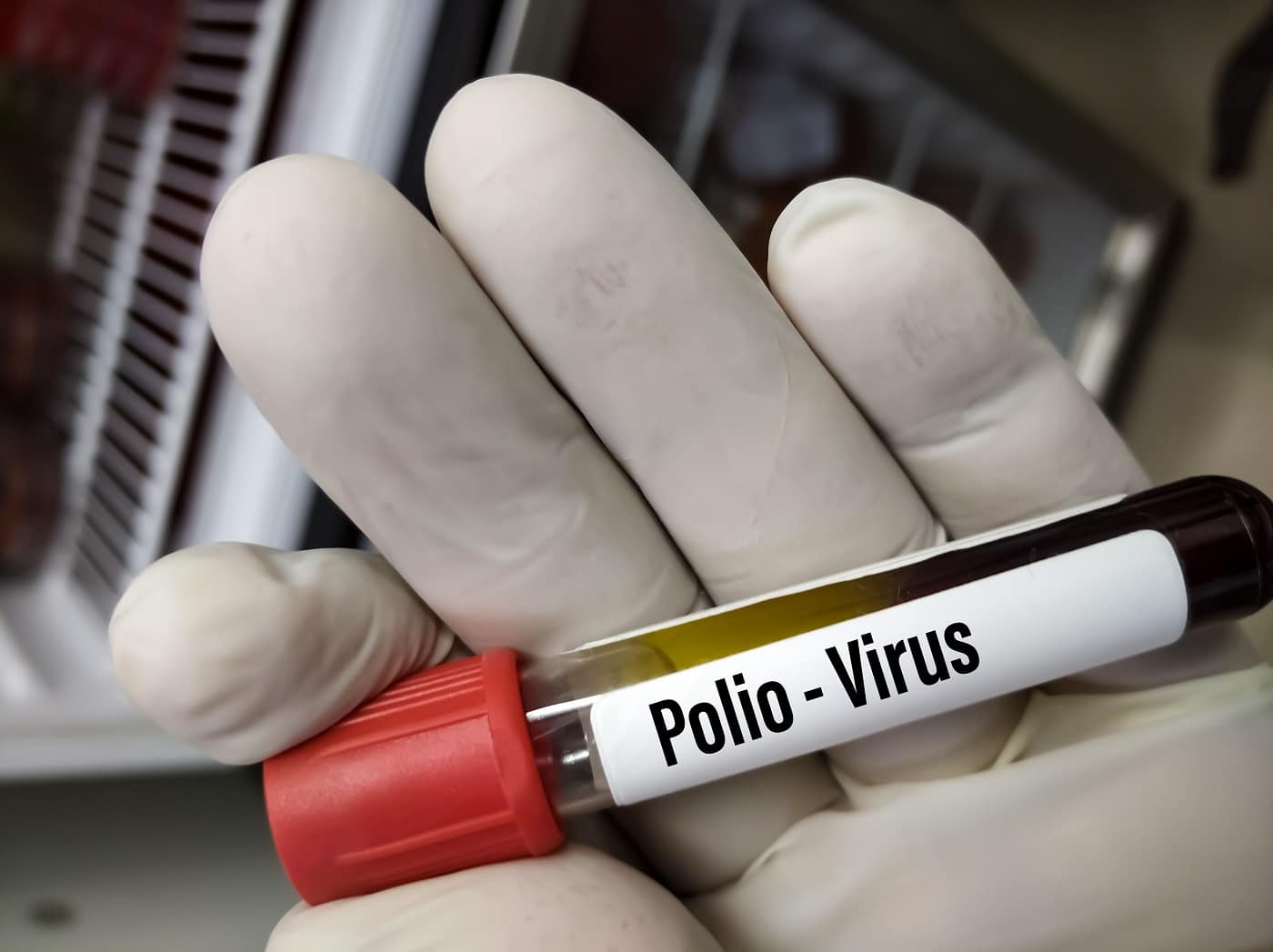
Zimbabwe launches an emergency vaccination campaign against polio
Zimbabwe launched an emergency vaccination campaign on Tuesday, aimed at immunizing more than 4 million children against polio. This initiative follows the detection of three cases of polio caused by a rare mutation of the virus, coming from oral vaccines, including a case that led to the paralysis of a 10 -year -old girl in January.
The health authorities of Zimbabwe identified a rare change in polio from samples taken from the sewers of the country’s capital, Harare. According to explanations, the virus contained in oral vaccines can, in rare cases, mutate and trigger new epidemics, especially in regions where the sanitary conditions are precarious and vaccination coverage is low. Although the number of polio cases in the world has decreased by more than 99% since the start of this campaign in 1988, the persistence of this risk highlights the need to maintain constant vigilance.
Faced with the appearance of this change, which consists of a serious threat to public health, a vaccination campaign was launched in Zimbabwe. Vaccination teams are mobilizing, ranging from door to door to administer the necessary doses to protect children. New strategies are also implemented, such as using a new oral vaccine specially designed to reduce the risk of changing the virus. Zimbabwe plans to distribute more than 10 million doses of this new vaccine to more than 4 million children under the age of 10.
Although Zimbabwe has not pointed out any cases of wild polio since 1986, recent cases related to the vaccine highlights the importance of continuous surveillance and international cooperation. The Zimbabwean Minister of Health, Douglas Mombeshora, underlined the urgency of the situation while ensuring that the country was ready to react quickly, collaborating with other African countries to control the spread of the disease.
Polio remains a serious threat to the health of children under the age of 5, with the risk of total paralysis. To counter this threat, vaccination coverage of more than 95% is essential to prevent new epidemics and protect future generations.
