
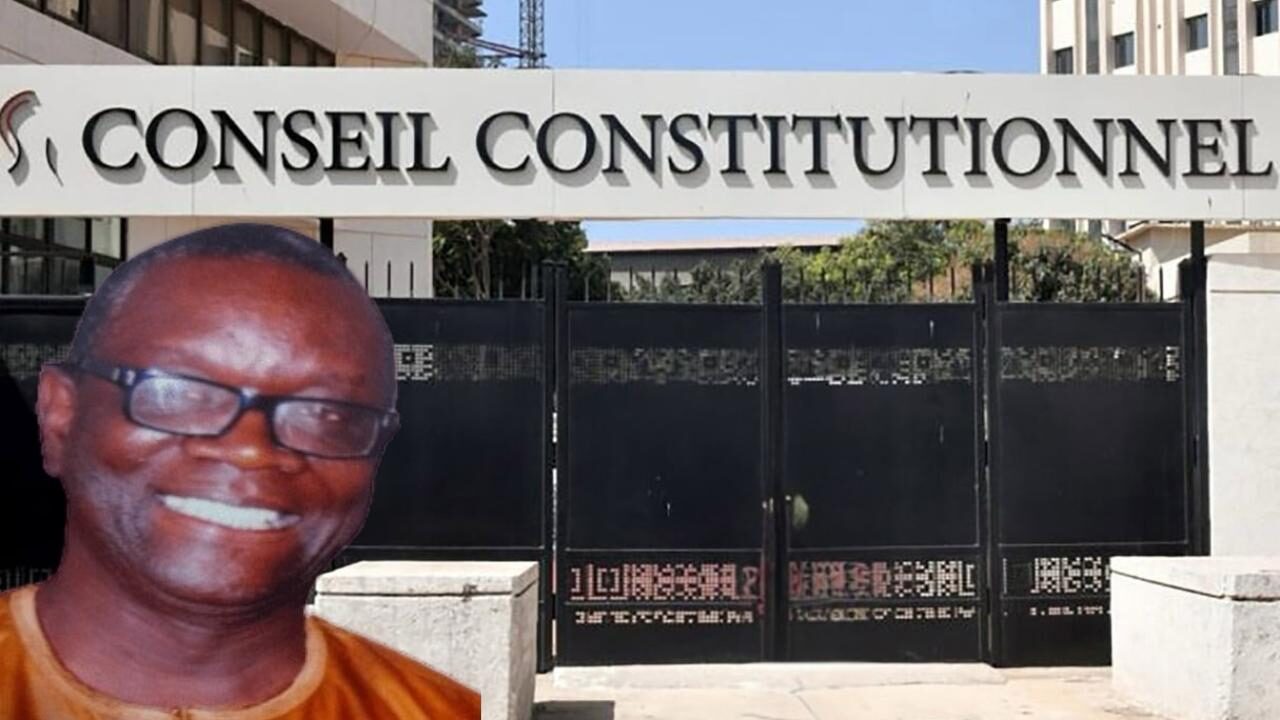
Media regulation: the Constitutional Council censors certain provisions of the CNRM
In a decision rendered on April 7, 2026, the Constitutional Council challenged several key articles of the law creating the National Media Regulatory Council (CNRM). Seized by 23 deputies, he notably denounced “disproportionate” sanctions and reaffirmed the central role of the judge in the protection of freedoms.
Seized by a group of 23 deputies led by Aïssata Tall Sall, the constitutionality control body censored several provisions that it considers contrary to fundamental freedoms, in particular freedom of expression.
At the heart of the decision, the “wise men” invalidated a repressive arsenal deemed too severe. In particular, the provisions authorizing: the permanent closure of a newspaper or an information site, as well as the termination of agreements in the event of a repeat offense and the closure of the premises of press companies for non-compliance with specifications, are declared unconstitutional.
For the Council, these measures constitute an excessive attack on freedom of the press, due to their disproportionate nature.
In the same vein, the Constitutional Council wanted to strictly regulate the powers of the future regulator in matters of coercion. He recalls that the use of public force cannot intervene without a prior mandate from the judicial authority and that the judicial power remains, in accordance with article 91 of the Constitution, the guarantor of individual freedoms.
A clarification which aims to avoid any deviation in the exercise of the CNRM’s missions.
Certain provisions of the law have nevertheless been found to be in conformity with the Constitution, subject to strict interpretation such that precautionary measures, such as the suspension or immediate cessation of a program, are authorized only to preserve public order or protect the honor and reputation of others and the insertion of press releases can be imposed by the regulator, provided that they do not harm the material and moral interests of the press company concerned.
With this decision, the Constitutional Council draws a clear line: if media regulation is deemed necessary, it cannot be done to the detriment of fundamental freedoms. An arbitration which could have a lasting impact on the architecture of the Senegalese media landscape.
YEAR
