
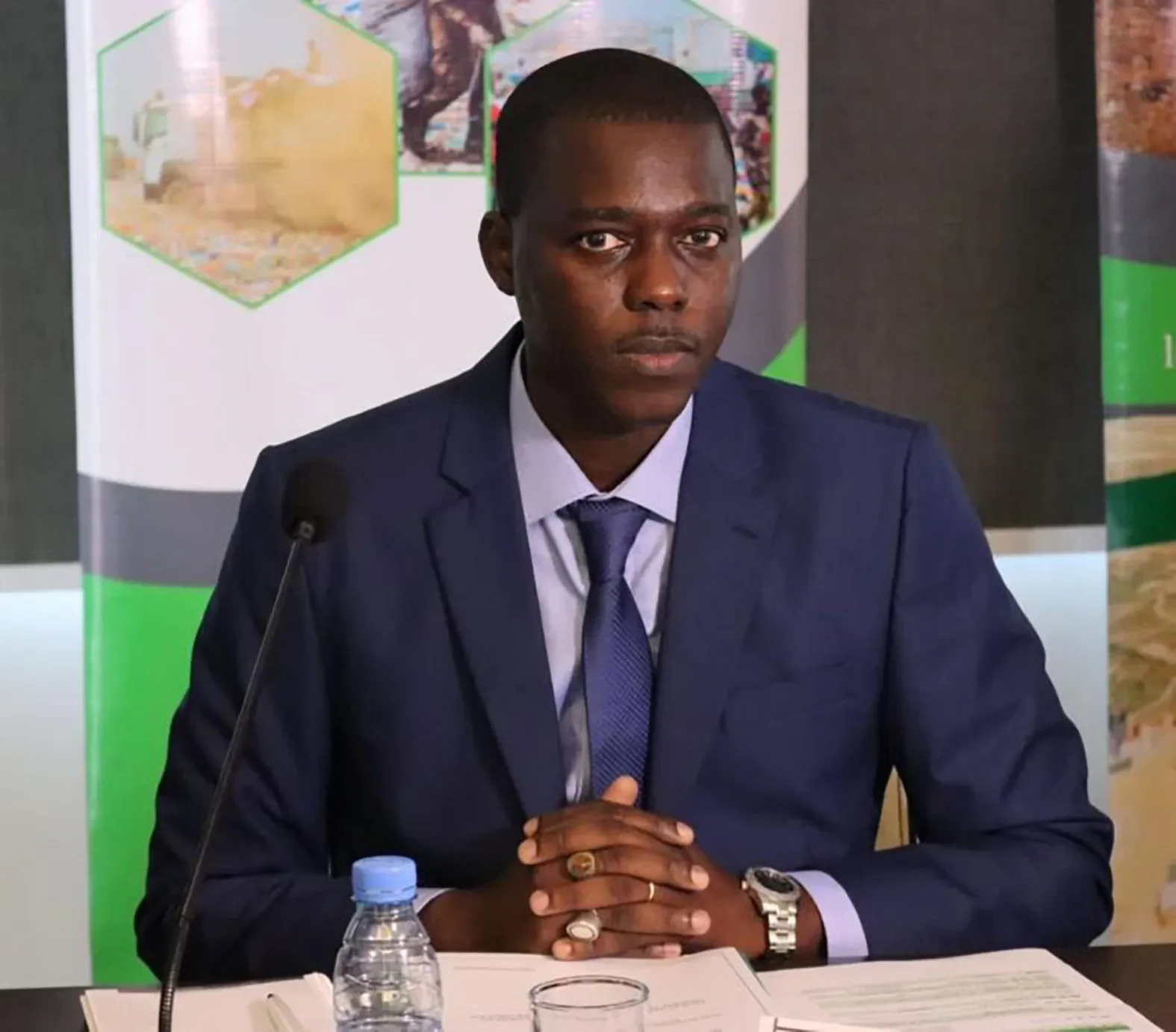
Ibrahima Diagne, technical environmental advisor to the Prime Minister: “Making the Joj a real accelerator of sustainable transformation”
Through the sustainability aspect, the Organizing Committee of the Youth Olympic Games (Cojoj) intends to make “Dakar 2026” a model of responsible event. Strengthened environmental governance, reduction of the carbon footprint, social inclusion and structuring legacy… Ibrahima Diagne, technical advisor in hydraulics, sanitation and environment to the Prime Minister, details the priorities.
What are the objectives of the sustainability component of the “Dakar 2026” Youth Olympic Games?
Sustainability is integrated into all operations linked to the preparation and organization of the Games. Our ambition is to inspire and drive social, economic and environmental development while guaranteeing responsible Games in the face of climate challenges. Concretely, this involves promoting equity, inclusion and respect for human rights, reducing the environmental footprint through simple and circular practices, stimulating the local economy through responsible purchasing and the promotion of SMEs and leaving a tangible and intangible legacy based on the transfer of skills and local ownership of the Games.
What concrete measures are put in place to protect the environment?
Environmental governance was strengthened by the signing of an agreement between the Joj Organizing Committee and the Ministry of the Environment. We adopt an integrated approach aimed at anticipating and controlling environmental impacts, from the preparation phase to post-Games. This involves rigorous monitoring of construction sites through Environmental and Social Management Plans, the promotion of the circular economy, the reduction and recovery of waste, as well as the ban on single-use plastics. A Joj carbon assessment was also carried out in order to identify the main sources of emissions and define reduction levers, particularly through sustainable mobility. In addition, awareness programs are deployed among athletes, volunteers, service providers and local communities.
What lasting legacy do you want to leave after 2026?
The Joj legacy begins now. It is based on the development of human capital, with the training of hundreds of experts and thousands of volunteers, but also on the strengthening of the sports and events ecosystem. The renovated or built infrastructures, such as the Iba Mar Diop stadium or the local fields, will make a lasting contribution to the practice of sport. We also want to improve the living environment and position Dakar as an events hub with international influence. Our goal is for the Joj to be not just a sporting event, but a real accelerator of sustainable transformation for Senegal.
Comments collected by Babacar G. DIOP
