
Energy transition: civil society wants extractive codes aligned with the Paris Agreement
The Publish What You Pay Senegal coalition, in partnership with the Natural Resource Governance Institute, called on the Senegalese authorities this Friday to align the reform of extractive codes with international climate commitments, particularly those arising from the Paris Agreement.
In a press note made public during a press briefing, the coalition underlines that “at a time when Senegal is fully entering into the exploitation of its oil and gas resources”, it is imperative to integrate “climate issues, in particular the management of greenhouse gas (GHG) emissions” into the legislative framework currently being revised.
With the start of structuring projects like Sangomar and Grand Tortue Ahmeyim, civil society believes that “the development of the extractive sector must imperatively be compatible with the country’s climate commitments”, in particular its Nationally Determined Contribution (NDC).
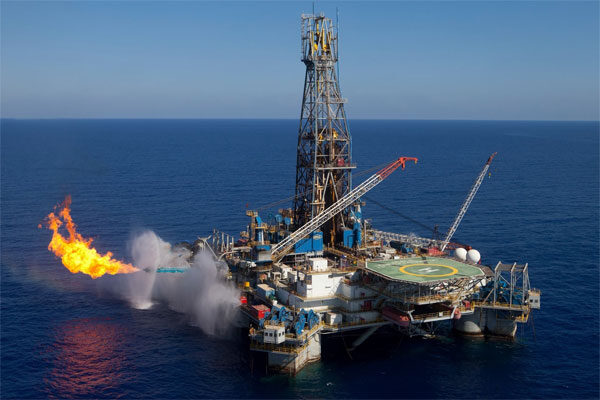
The coalition highlights a “blind spot of current reforms”: methane emissions, a “particularly warming” gas. It specifies that these emissions come “from infrastructure leaks, flaring, degassing (venting) as well as production and transport operations”.
According to Publish What You Pay Senegal, the current legal framework presents “several major inadequacies”, including “the absence of a strict obligation to measure and report emissions”, “the lack of transparency on environmental data” and “the weakness of control and sanction systems”. She also deplores “the absence of clear standards to limit flaring and methane leaks”.
While welcoming the revision of the extractive codes initiated by the State, the coalition pleads for “more inclusion”, calling for “the participation of local communities (women, young people, people with disabilities)” and “the involvement of grassroots organizations”.
Following consultations with several institutions, including COS-PETROGAZ, CN-ITIE, GES-PETROGAZ and the Energy Commission of the National Assembly, civil society is formulating a series of recommendations.
It recommends in particular “the integration of mandatory mechanisms for measuring, reporting and verification (MRV) of GHG emissions”, “strict supervision of flaring and degassing” as well as “transparency of environmental data”.
The coalition finally called on the authorities to “adopt a reform of extractive codes that is inclusive, transparent, environmentally responsible, and compatible with a low-carbon development trajectory”, while inviting technical and financial partners to “support this dynamic”.
