
Strategic plan 2026-2029: The Court of Auditors wants to improve the quality and speed of control
The Court of Auditors began, yesterday, Thursday January 29, 2026, a decisive exercise for its institutional future. It brought together all of its stakeholders – magistrates, representatives of the State, civil society and technical partners – around the validation workshop of its Strategic Development Plan (PSDCC) for the period 2026-2030.
This roadmap, developed after a demanding diagnosis, aims to transform the institution into an essential pillar of good financial governance. This approach takes place in a context where the expectations of citizens and international partners in terms of accountability and effectiveness of public action have never been so strong. This plan is structured around several priority areas.
First of all, it intends to improve the quality and speed of control work, whether jurisdictional or not. Then, it plans to modernize the organizational framework, in particular through a digital transformation of procedures, an imperative to respond to the increasing complexity of the management of public funds.
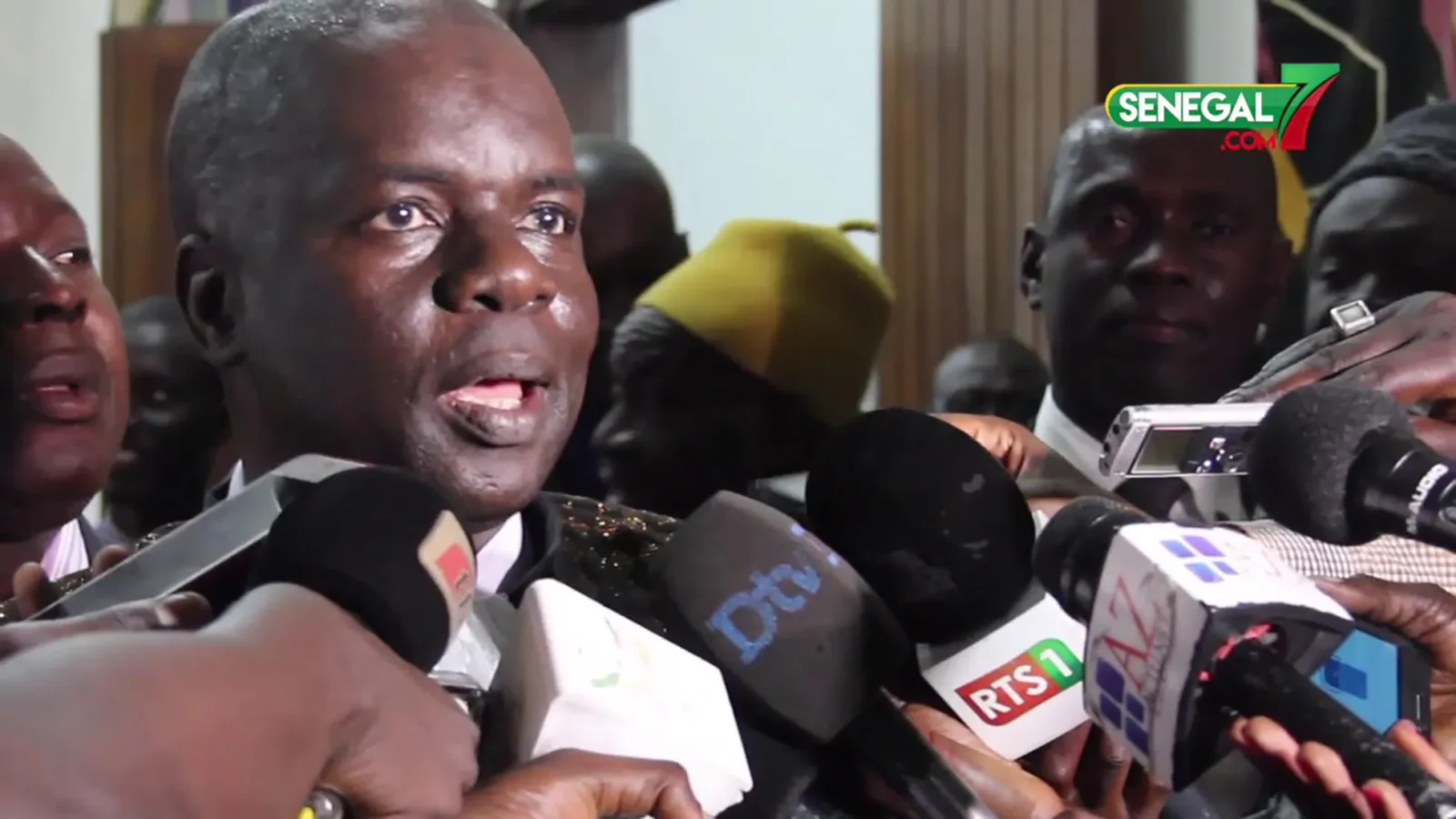
Finally, it aims to strengthen communication, both internally and with the public, and to consolidate relations with the National Assembly, the press and civil society. These guidelines respond to a dual imperative: adapting to administrative changes and responding to the growing demand for accountability, with a permanent concern for consolidating Senegalese democracy. The First President of the Court of Auditors, Mamadou Faye, underlined the inclusive nature of the development process.
“This strategic plan is the result of an inclusive process which mobilized all categories of staff at the Court of Auditors as well as stakeholders,” he declared. He also insisted on the fundamental requirements that should guide the institution: independence, impartiality, expertise and professionalism.
“Without these principles, there can be no credible external control in a democratic system,” he recalled, stressing that the credibility of the institution rests on its ability to demonstrate impartial and collegial expertise. For his part, Thierno Dia, president of the Development Committee, detailed the “inclusive” working method that prevailed. “The committee has made collegiality its credo by not leaving out any category,” he explained, thanking all administrative services, magistrates and external partners for their contributions.
This approach aims to guarantee ownership of the plan by all stakeholders, an essential condition for its success. Mr. Dia also highlighted the constant support of the First Presidency as well as the remarkable commitment of the committee members whose diligent work made it possible to produce quality deliverables within reasonable deadlines. However, the realization of this strategic ambition relies on a crucial lever: its financing. Although the document presented includes a detailed financing plan, its overall amount was not made public during this workshop.
The success of the hoped-for transformation—digitalization, capacity building, increased publication of reports—will directly depend on the authorities’ commitment to providing the Court with the necessary resources. The ball is now in the court of the executive and financial partners to transform these ambitions into tangible achievements. The financial issue is central and will determine the institution’s capacity to fully play its constitutional role as guardian of the proper use of public resources and contributor to citizen confidence.
Pathé NIANG
