
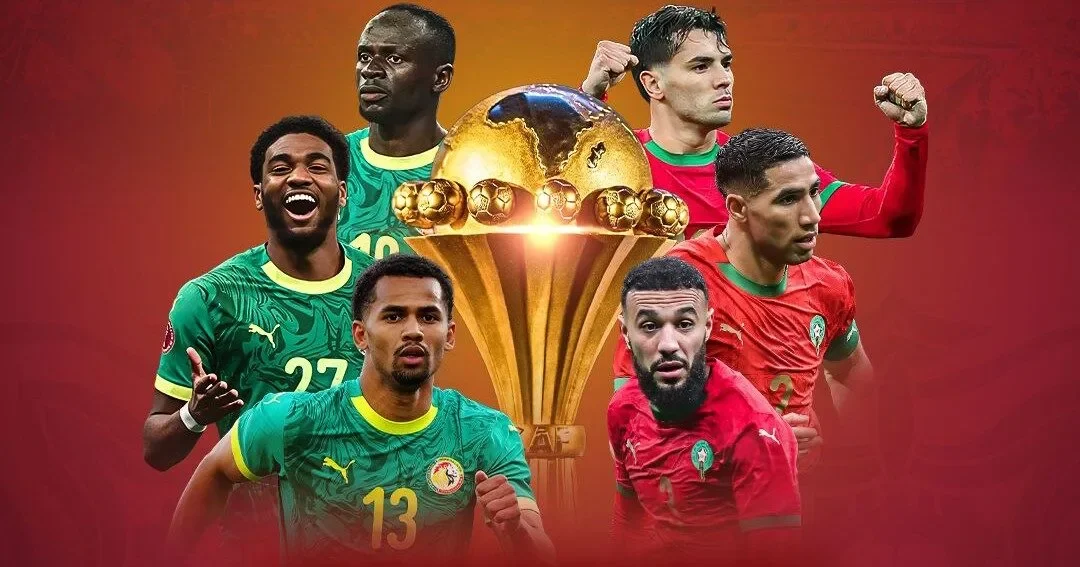
Senegal–Morocco, double standards
Why does Senegal’s victory continue to generate so much debate, when other courses pass without real examination? The question arises all the more legitimately when we observe, with a minimum of rigor, the progress of this competition.
Senegal, on a sporting level, delivered a course without major roughness. Controlled matches, won in compliance with the rules, a disciplined team, rarely put in danger, and above all constant in their effort. There is nothing, objectively, to challenge this title on the ground.
And yet, controversy arises. It is established almost mechanically, as if the Senegalese success systematically called for a suspicious rereading.
At the same time, Morocco’s journey raises very real questions. Several meetings fueled discussions, notably against Cameroon, Tanzania and the Comoros. Arbitration decisions discussed, facts of the game that weighed, debates that existed, without ever really imposing themselves in the official analysis. The contrast is striking.
It is not a question of opposing Senegal to Morocco, even less of denying the sporting qualities of the Moroccan team. But the demand for fairness cannot be selective. We cannot, on the one hand, scrutinize each Senegalese victory and, on the other, quickly close the file when the questions concern other selections.
African football would benefit from a more honest reading of its competitions. Because the credibility of a tournament is not only measured by the quality of the spectacle, but also by the consistency of its standards.
Senegal didn’t steal anything. He is champion because he was the most rigorous, the most regular, the most ready. And it is perhaps this clarity, in the face of gray areas elsewhere, which is still disturbing.
Papa Abdoulaye SY
