
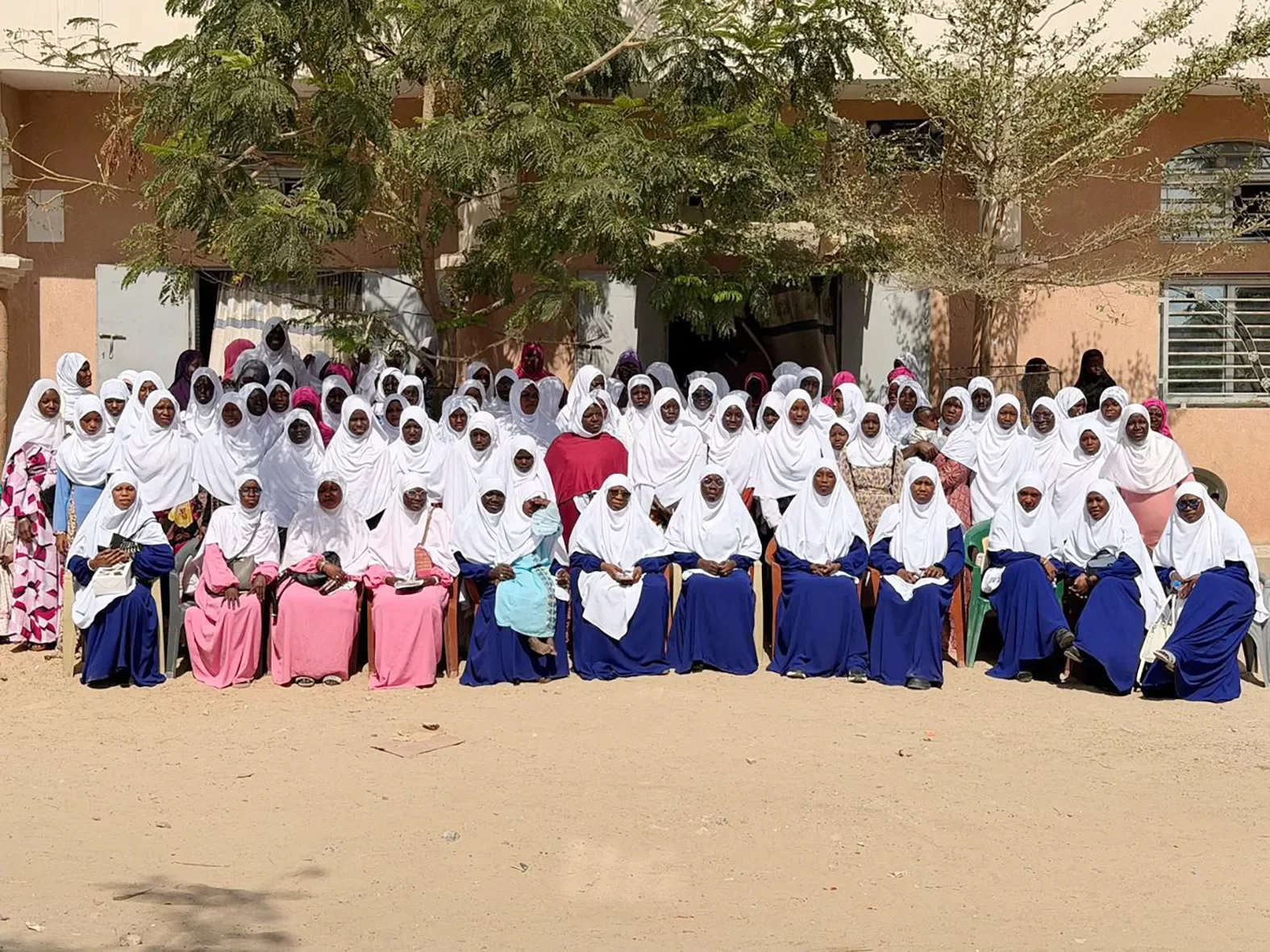
Sailing: A choice with multiple challenges
Between religious conviction, social pressure and self-affirmation, the wearing of the veil among Senegalese women reveals personal trajectories often punctuated by trials. From school benches to family circles, this intimate choice still encounters resistance, while being part of a rapidly changing social and cultural dynamic.
Aged around forty, Fatima Khouma wore a veil in 1996, when she was in second grade. But this decision constituted a major upheaval in his daily life. “It was during the school holidays. I woke up one fine day and put on the veil. Unfortunately, I only had one pair of denim pants and one shirt,” she confides, with a touch of amusement. At the time, the high school student had to relearn how to dress according to this new life choice.
“My wardrobe consisted only of shorts and mini skirts. It wasn’t too obvious to me. But it was a decision that I intended to take full responsibility for,” she says. Fatima Khouma then opts for a well-found solution. At night, the young girl washed her only shirt and her only veil. “It lasted a month, while I changed my wardrobe little by little. This is why it makes me laugh when I see, on social networks, girls looking for veils and clothes so that they can veil themselves. It’s all a question of will,” she believes. Oumou Sy also had difficulty integrating the veil. “The difficulties came from the neighborhood, who told my mother to dissuade me, because only widows had to wear the veil and it brought bad luck,” recalls the one who veiled herself in 2003. Later, in final year, her classmates accused her of “wanting to corrupt Allah” through the veil.
“At university, some people didn’t speak to us because of the veil. The latter told the others that it was not an obligation and that we were doing it ostentatiously,” she said in a bitter tone. Having this choice accepted is not only a challenge in the school environment. Wearing the veil is also difficult for those around you to digest. Sisters Soda and Khady Diop, veiled since 1998, have had the bitter experience.
The entourage to convince
At the end of the 1990s, they admitted having a lot of difficulty getting their family to accept this decision, particularly their mother. “Our mother was afraid of “what will people say”. The veil was not really well received. He was more associated with extremism,” reveals Soda. Khady says they took it off and kept it in their bags as soon as they arrived in their neighborhood. They put it back on when they went to school.
“Our mother finally resigned herself when she saw the behavior of our veiled friends, who often came to the house,” adds Khady, immersed in her memories.
Today, they say they are happy to see that the veil arouses so much enthusiasm among young girls and that they can wear it in complete peace of mind. “The family accepted my choice to wear the veil. But my clothing style had difficulty getting through, because I only wore traditional clothes,” admits Maty Dièye. The latter quickly saw herself labeled “extremist” by her own people. This change, although accepted at the beginning, began to embarrass the forty-year-old. “My mother even swore to disown me because of the veil. Even today, I find it hard to remember that time,” she confides.
By Arame NDIAYE
