
Sacred wood and totems, powerful conservation tools February 4, 2026
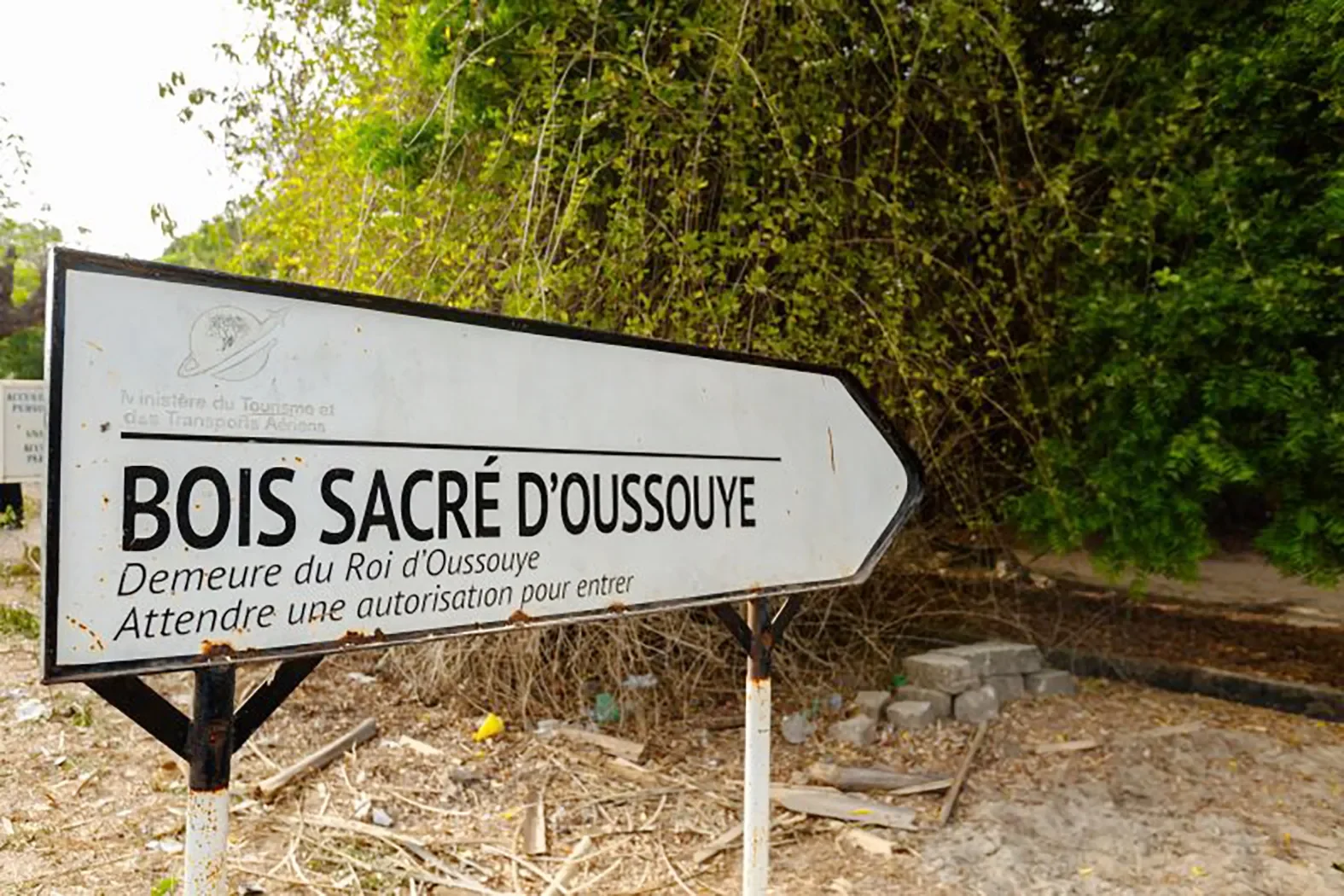
In “Kassa”, environmental protection has sacred overtones which draw their essence from habits and customs. The sacred wood for the forest, and the totems for the fauna and fish species, are ramparts against the aggression of ecosystems, which means that they still resist time.
OUSSOUYE – If there is a geographical area that still keeps its forestry and fishery resources intact or almost intact, it is the Oussouye department. In this province of the Ziguinchor region, lush forests border rivers. Which makes this department one of the greenest in Senegal. They are jealously preserved by the populations.
“Kassa”, the traditional name of this geographical entity, still escapes the excessive aggression of forest areas noted in departments such as Bignona, Ziguinchor, Sédhiou, Goudomp, Vélingara and Médina Yoro Foula. Every nook and cranny of the Oussouye department has dense forests. In Santhiaba Manjack, a border commune with the Republic of Guinea Bissau, in certain places, the tracks which connect the villages are covered with foliage. It is possible to travel tens of meters without seeing the sun. “The nature protection reflex developed by the populations makes our work easier. This behavior towards the environment, well anchored in Oussouye, is undoubtedly to be found in ancestral beliefs,” declared the former head of the Oussouye Water and Forests brigade, François Sambou, during a reforestation day organized in the department. The hypothesis is supported by a member of the royal court of Oussouye. “The life of the Diola depends essentially on nature. We nourish ourselves from nature. It is nature that takes care of us, and it is nature that gives us a living environment conducive to our development. So why saw the tree we are sitting on,” confides Philippe Diédhiou known as Filidié, one of the spokespersons for the King of Oussouye. In Oussouye, continues Mr. Diédhiou, the forest is sacred since it shelters most of our fetishes. “It is strictly forbidden to cut down trees without respecting certain rituals. Preserving the environment is a duty for us. Our parents taught us that trees give us life. So if they disappear, we won’t be able to survive. This is why you see in every corner of the town of Oussouye small forests which shelter fetishes,” he says. Philippe Diédhiou believes that the requirements arising from ancestral beliefs have made it possible to preserve the environment in the kingdom. “I think that all communities in Senegal must work in this direction, even if it is with different paradigms,” recommends Mr. Diédhiou. The same goes for the tributaries of the Casamance River, called bolongs. These watercourses, enveloped by mangrove forests, are breeding grounds par excellence for several fish species. “In our customs, we say that our souls are linked to animal and aquatic species. These are called totems.
Protect hydrographic species
There are people who are related to manatees, dolphins, crocodiles, among others. When a totem dies, the individual related to the species loses its life. This is why it is forbidden to fish in areas where these species are supposed to be,” informs Jean-Marie Diémé, a native of Niomoune and a teacher by profession. Prohibited areas, he informs, are known to everyone and there are several in the Bliss Islands. “In my childhood, my father once found me fishing at a place. He said to me: “’Dianken’, do you fish where you live? It was that day that I knew that my family’s totems were in this place,” remembers Mr. Diémé. Strangely, he explains, it’s a place where there are a lot of fish. People, he says, have had mishaps in these waters by losing their fishing nets. “There is an even more dangerous bolong. It is located between Niomoune and Kafountine. Anyone who enters there never comes out,” confides Jean Marie Diémé. These places are found in most villages in the Oussouye department, and they are known to all local players in artisanal fishing. These ancestral prohibitions, which, at their core, aim to protect human souls represented by totems, allow fish species to reproduce in complete peace of mind.
