
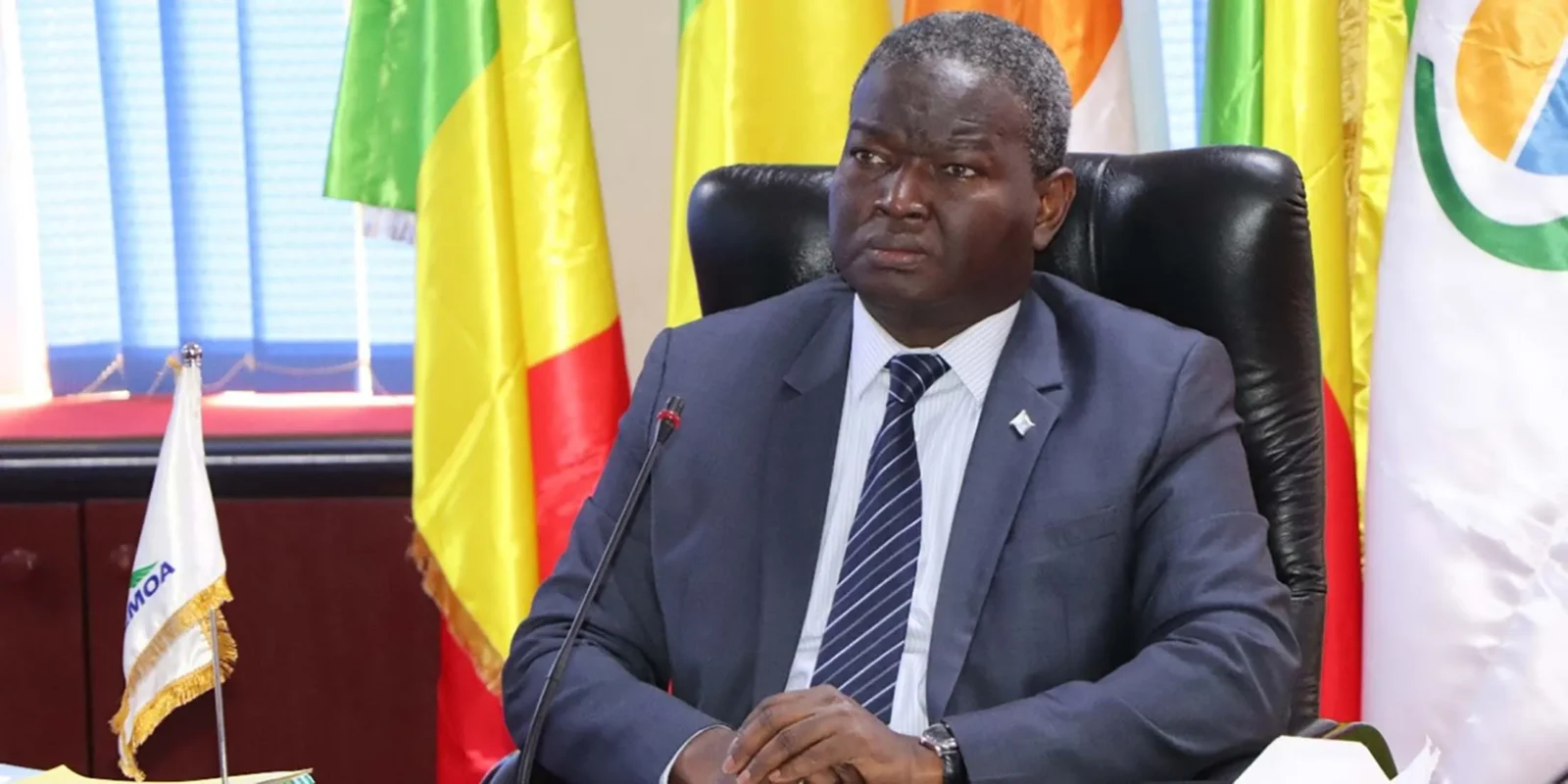
First edition of Fipe-Uemoa: giving the press a structuring role in integration
Since this Wednesday, June 24, 2026, Dakar has hosted the first edition of the International Forum of the West African Economic Press (Fipe-Uemoa). This three-day meeting brings together economic journalists, public decision-makers, regional institutions, the private sector, entrepreneurs and innovation players around the theme: “Innovating for the economic future of West Africa”.
Supported by the UEMOA Media Platform with the support of the UEMOA Commission and community institutions, this initiative intends to establish a sustainable framework for dialogue between media and economic actors. The stated objective is to better support the structural transformations underway in the West African region and to strengthen understanding of integration policies.
In his opening speech, the coordinator of the UEMOA Media Platform, Léonard Dossou, insisted on the scope of the project. Fipe-Uemoa, he affirmed, goes beyond the framework of a one-off meeting. According to him, it is “the culmination of a collective reflection on the place of economic information in the transformation of our economies”. He recalled that the economic press is not limited to relaying news, but constitutes an educational instrument, a transparency tool and a factor of confidence in governance processes.
Representing the UEMOA Commission, Ms. Aminata Mbodj, for her part, underlined the central role of the media in the regional integration process. She considered that the press constitutes “a powerful integration tool” and an essential relay for the popularization of community reforms. She also highlighted the capacity building initiatives for journalists undertaken by the institution.
A lever for education and transparency
In a UEMOA area which has more than 151 million inhabitants, the economic challenges remain multiple: financing of SMEs, infrastructure development, industrialization, energy transition and adaptation to climate change. So many projects which, according to the participants, require better circulation of economic information.
The representative of the Senegalese Minister of Trade and Industry, Paul Faye, insisted on the issues linked to the implementation of the African Continental Free Trade Area (Zlecaf).
He noted that intra-African trade remains limited by tariff and non-tariff barriers, as well as logistical and regulatory constraints. According to him, the harmonization of frameworks and the strengthening of commercial infrastructures constitute essential levers to accelerate economic integration.
For three days, Fipe-Uemoa will serve as a framework for exchanges on several themes: innovation, digitalization, artificial intelligence, energy transition, economic governance and mobilization of private investments.
The UEMOA Media Platform thus aims to make the forum a regular meeting dedicated to economic information, multi-actor dialogue and the promotion of better understood and better shared regional integration.
Salla GUEYE
