
“A break with the classic model”, according to experts (2/2)
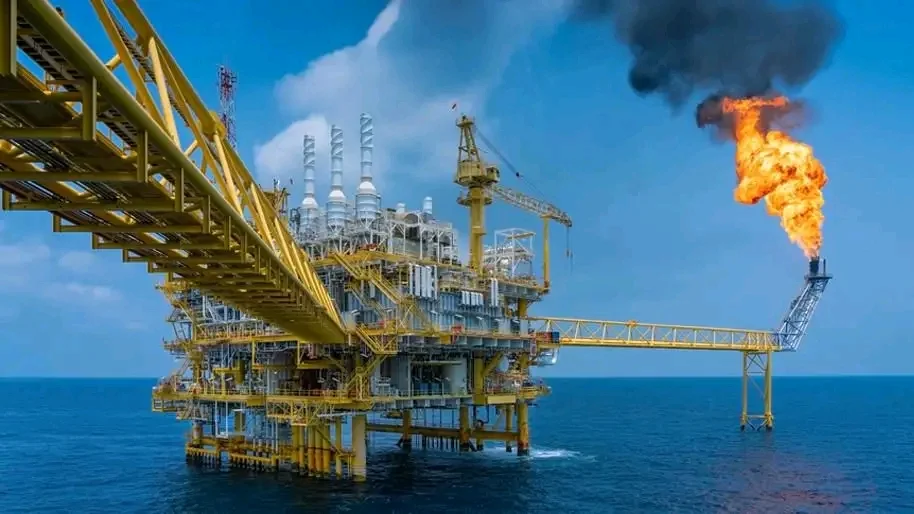
The resumption of control of the Yakaar-Teranga gas field by the State of Senegal, through Petrosen, is widely seen as a decisive step in the country’s quest for energy sovereignty. For sector experts, this decision goes beyond the simple framework of the exploitation of natural resources and is part of a more global vision of economic transformation. “These decisions reflect a strong direction from the authorities: making energy sovereignty a central pillar of national economic sovereignty,” analyzes Mouhamadou Moustapha Mboup, energy engineer and head of the Planning and Monitoring-Evaluation Division at the National Agency for Renewable Energy (Aner). Same reading from Malick Dramé, oil expert, who assures that “the State’s decision is very daring” and that it marks “a fundamental break with the classic international concession model”. According to him, the resumption of Yakaar-Teranga offers Senegal the opportunity to “transform a natural resource into a lever of economic competitiveness”. At the heart of the issues is the valorization of national gas. With reserves estimated at around 25 trillion cubic feet, Yakaar-Teranga is seen as a key part of the Gas-to-Power strategy to power power plants and reduce dependence on imported fuels. For Mouhamadou Moustapha Mboup, “Senegal cannot sustainably have significant gas resources while remaining heavily dependent on imported fuels”. He considers that “the “Gas-to-Power” strategy is becoming essential to produce more stable, more controllable and more competitive electricity”. The objective is also to use gas as a driver of industrial development. “True sovereignty does not stop at extraction. It really starts at the level of transport and transformation,” underlines Malick Dramé. In his opinion, the deployment of the national gas network will be decisive in transporting this resource to the industrial and economic centers of the country. But energy sovereignty does not rest solely on gas. The two specialists agree on the central role that solar energy should play in the future Senegalese energy mix. “Senegal’s energy sovereignty will be based on a strategic and intelligent combination between gas and solar,” says Mouhamadou Moustapha Mboup. He recalls that Senegal benefits from “exceptional natural potential” with more than 3,000 hours of sunshine per year, making solar energy one of the most competitive solutions to meet the country’s energy needs. For the energy engineer, “gas provides stability, controllable power and support for industry, while solar provides competitiveness, decentralization, sustainability and territorial coverage”. Beyond resources, experts insist on the need to strengthen infrastructure, financing capacities and human capital. “Energy sovereignty is based on three essential pillars: control of resources, control of infrastructure and assimilation of knowledge,” he summarizes.
Malick Dramé agrees, recalling that “without engineers, technicians, experts and lawyers capable of supervising complex operations, sovereignty remains theoretical”. He calls for a strengthened transfer of skills and increased involvement of national actors in the financing and management of energy projects.
O. FÉDIOR
