
Constitutional reforms: Civil society does not want to be taken by surprise
Civil society organizations, committed to the application of the conclusions of the National Conference and the recommendations of the National Commission for the Reform of Institutions (Cnri), have decided to take the lead in the face of the constitutional reforms announced by the President of the Republic in his end-of-year speech. They also warn of abuses likely to create frustration.
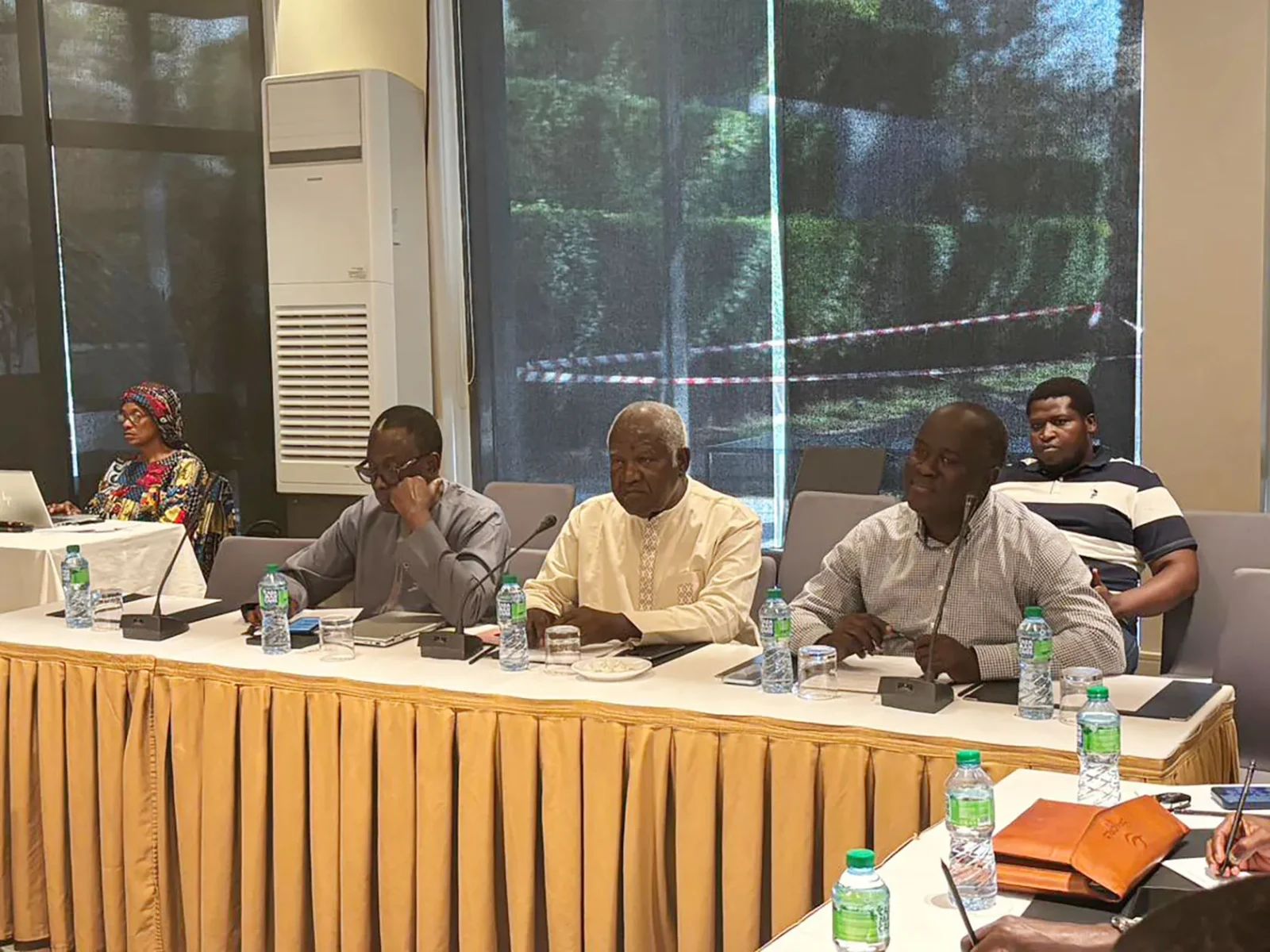
While the contours of a debate on a possible constitutional reform are taking shape, civil society actors have decided to anticipate. They want to ensure that the commitments made by the candidates during the last presidential election, in particular by the Head of State, Bassirou Diomaye Faye, do not remain a dead letter. This civil society coalition for the application of the conclusions of the National Conference, the recommendations of the Cnri and the National Pact for Good Democratic Governance also wants to influence the content of the future reform. At the end of a meeting, organized on January 31, 2026, in Dakar, Mamadou Mignane Diouf, coordinator of the Social Forum, returned to the merits of their approach. “We believe that when there are prospects of constitutional reforms, a civic and citizen space like ours, which, long before the elections, had already recommended the need to consolidate institutions and strengthen the Republic, must prepare. We therefore said to ourselves that, if there was to be a constitutional reform, it was important to meet upstream so as not to be taken by surprise,” he declared. Mr. Diouf recalled that their approach pursues a triple objective: knowing the content of the constitutional reform, strengthening a synergy of actions and reflecting on the form that the reform will take as well as their participation. “As a civic and citizen space, we want to ensure that the concerns submitted for signature by the candidates in the last presidential election, including the current head of state, are taken into account,” he explained.
Red lines
It is also a question, for civil society actors, of knowing whether this will be a reform by referendum or by parliamentary means. “Even if the official strategy is not yet known, we considered it necessary to start organizing ourselves to be ready when the time comes and contribute, in a relevant way, to the content of this reform, so that it strengthens democracy, peace and stability,” underlined the coordinator of the Social Forum.
The meeting of the civil society coalition for the application of the conclusions of the National Conference follows the announcement of the President of the Republic, during his speech to the Nation on December 31, 2025, to submit to the National Assembly a draft revision of the Constitution, the content of which has not been published. For Mamadou Ndoye, coordinator of Citizen Sursaut, last Saturday’s meeting served as a framework for reflection on the orientations to defend, the red lines to preserve as well as the advocacy strategies to implement so that any constitutional reform complies with the fundamental principles of participatory democracy.
Indeed, many candidates for the presidential election had signed the Good Governance Pact and made a commitment to “translate the principles, values and objectives of the said pact into an action plan to be carried out during the first year of their mandate in the event of electoral victory in the presidential election of February 2024”.
Expert commissions
Le Sursaut Citoyen took advantage of the meeting to set up three commissions. According to Mamadou Ndoye, this is a Commission for analyzing the context, responsible for studying the legal and institutional plans, and the reasons that could justify a reform. Mr. Ndoye also proposed a Commission responsible for dialogue and monitoring reform proposals. The latter will work to establish a link with the leaders of these proposals in order to see to what extent the points raised are taken into account. The Mobilization and Awareness Commission deals with information, advocacy and content sharing at local, territorial and national levels, as well as within the diaspora. “It will be responsible for information, advocacy and content sharing at the local, territorial, national level and in the diaspora. The objective is to ensure a participatory and inclusive approach, so that no one is left behind and that the future Constitution is truly supported by the citizens,” indicates Mr. Ndoye. These three commissions should propose, in the coming days, a framework document which will allow them to act in a structured manner.
Matel BOCOUM
