
Menstruation and Ramadan: the time of disruption (1/2)
During the month of Ramadan, menstruating women are exempt from fasting. Authorized by religion, this break nonetheless remains charged with emotion.
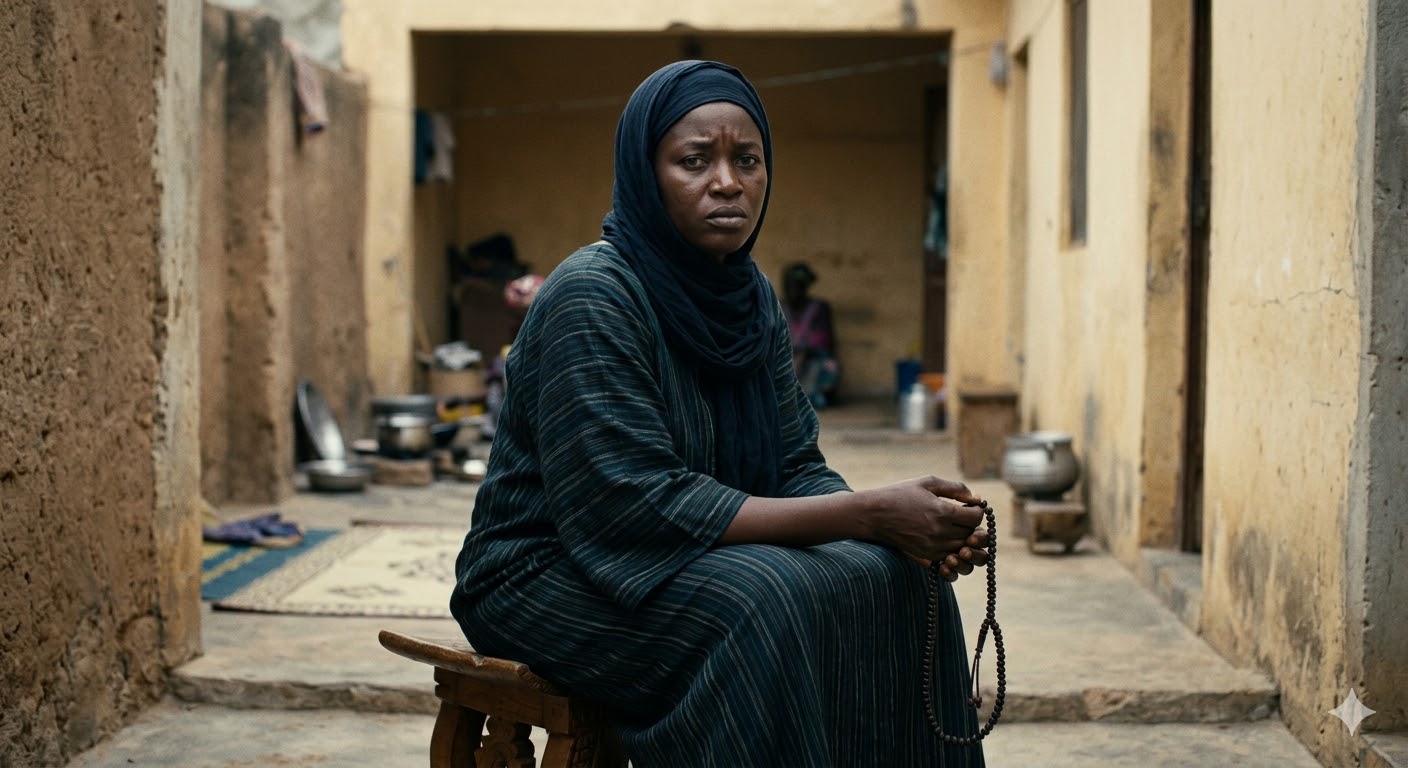
Zahra Dahmane says she feels frustration above all. “I’m super bummed because I wish I didn’t have my period during Ramadan, or not at the beginning or especially towards the end, for fear of missing the last ten nights,” she explains. The feeling is the same with Deguene Ba. The experience is marked by a feeling of unease. “I feel very uncomfortable when I cannot fast because of my period. Above all, I feel guilty,” she confides. This embarrassment pushes her to adopt great discretion.
“I am torn between two feelings. Sometimes I’m relieved, especially when I have painful periods. But sometimes I’m also disgusted because I tell myself that I could have fasted, especially since I hardly eat even when I have my period,” explains Adama Gassama. For Abibatou Fall, Ramadan is very important and its rules are not always welcome in this month.
“When I don’t fast because of my period, at first I feel disgust. The first two days, I ate very little because it was difficult to accept,” she says with bitterness. She also evokes a certain embarrassment, even though she knows that this situation is natural. “After a few days, it gets better. I tell myself that it’s normal and I end up accepting it,” she resigns herself.
Diet time
The arrival of menstruation during Ramadan is no different from any other day for Zahra. The latter admits that she continues to observe a certain restraint: she hardly eats and is sometimes content to taste the dishes she prepares for the “kheud”. “When it’s very hot, I just allow myself to drink a little,” she adds. Deguene Ba also prefers to abstain from eating. “I remain very discreet, I limit myself to eating,” she says.
For Adama Gassama, everything is a question of social context. “If I’m surrounded by people I like and feel good with, I eat openly. On the other hand, if I’m with strangers or people with whom I don’t have much affinity, I eat discreetly or not at all,” she confides. Abibatou Fall is also for discretion. The one who lives alone says she eats at home and does not expose herself in public.
Maintain a spiritual connection
If the rules exempt women from praying, Zahra nonetheless remains connected to this blessed month. The mother favors listening to sermons and religious podcasts, as well as reading the Koran. The observation is the same on the side of Deguene Ba. Despite the interruption of the fast, she tries, like Zahra, to maintain a spiritual practice by continuing to make dhikr and read the Koran on her phone.
Adama Gassama also ensures that he maintains an active spiritual practice. “I do a lot of zikr, I read hadiths, I listen to the surahs that I like and, if I can give alms, I do it too,” she adds. Abibatou Fall also tries to preserve his spiritual relationship during this period. Even though she cannot pray or fast, the girl continues to perform dhikr and read the Quran on her phone. “I try to maintain a spiritual connection despite everything, even if sometimes I feel a drop in faith during this time,” she admits.
Arame NDIAYE
