
The Cnrm replaces the Cnra: What will change in regulation
The National Media Regulatory Council (Cnrm), a new regulatory authority adopted on Wednesday by the Council of Ministers, replaces the National Audiovisual Regulatory Council (Cnra) and marks a major step in the evolution of the Senegalese media landscape.
The State of Senegal is preparing to strengthen media regulation with the creation of the National Media Regulatory Council (Cnrm), which will replace the Cnra. The bill was adopted this Wednesday by the Council of Ministers.
This reform broadens the scope of action to social networks, online media and digital platforms.
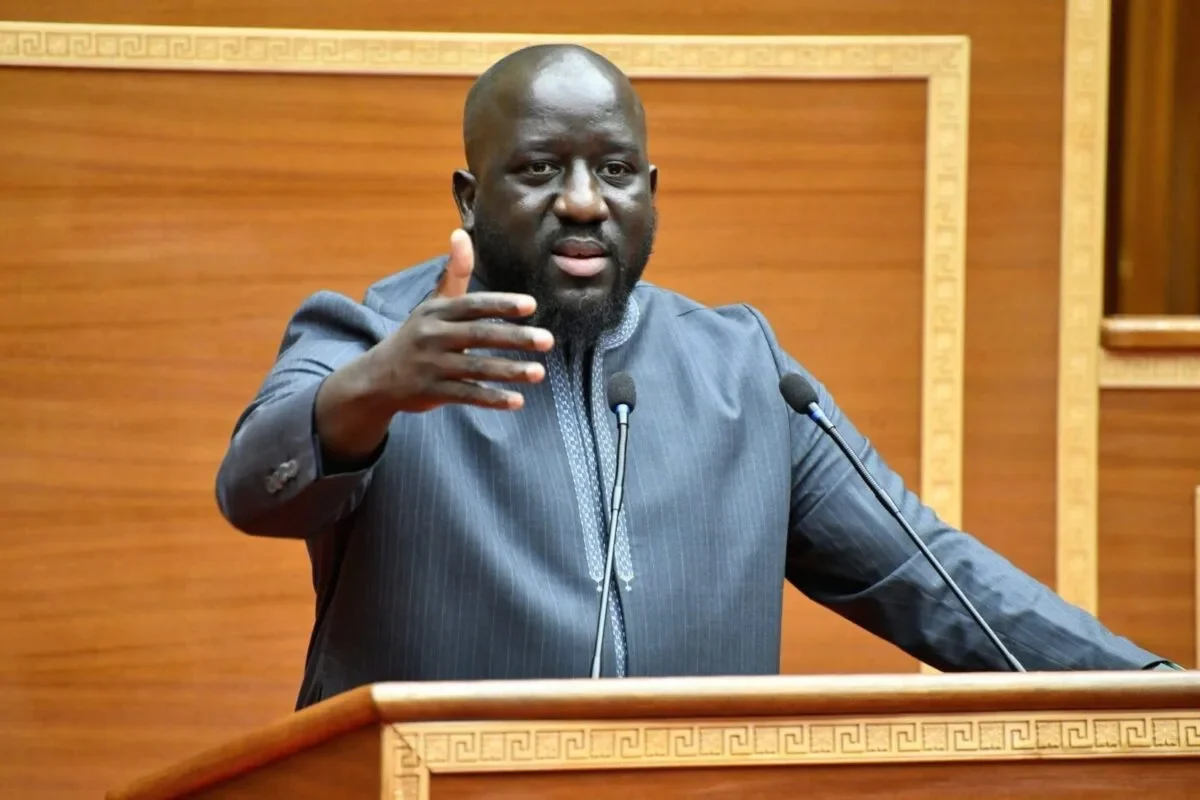
The Minister of Communication, Telecommunications and Digital Affairs, Alioune Sall, presented this reform as “a modernized regulation for free, responsible and credible media in the digital age”, stressing that it is an adaptation reform, not regression and an inclusive regulation, not punitive.
Regulation adapted to the digital age
In a note sent to our editorial staff, the ministry stated that “a law designed for 2006 can no longer meet the challenges of 2025”. The Cnra, created in 2006, mainly covered radio and television.
With the rise of online media, content creators and digital platforms, it became necessary to cover the entire information and communication value chain.
The Cnra now includes all modern forms of media, namely the online press, content creators, digital platforms and foreign media accessible in Senegal.
As the ministry emphasizes in this document, “same public space, same responsibilities”, insisting on technological neutrality.
Protection of freedoms and rights
The bill does not call into question freedom of the press. On the contrary, “the CNRM protects both citizens and media professionals. To regulate is not to censor. It’s about protecting,” the ministry specifies.
The objective is to control abuse, prevent publications that harm human dignity, fight against disinformation and guarantee healthy public debate. The legal framework also recognizes all media professions and promotes a healthy and responsible professional climate.
“Responsible information is a pillar of democracy”
The government insists on the independent and transparent nature of the new authority. “Credible regulation is based on clear governance,” we read in the document, which notes that the said Council will have powers of control and sanction that are strictly supervised, proportionate and respectful of the rights of the defense.
Finally, it should be noted that this reform is designed as an instrument for consolidating democracy. “Responsible information is a pillar of democracy,” said the supervisory ministry. According to him, it makes it possible to combat abuses, preserve public debate and strengthen public confidence in the media.
Salla GUEYE
