
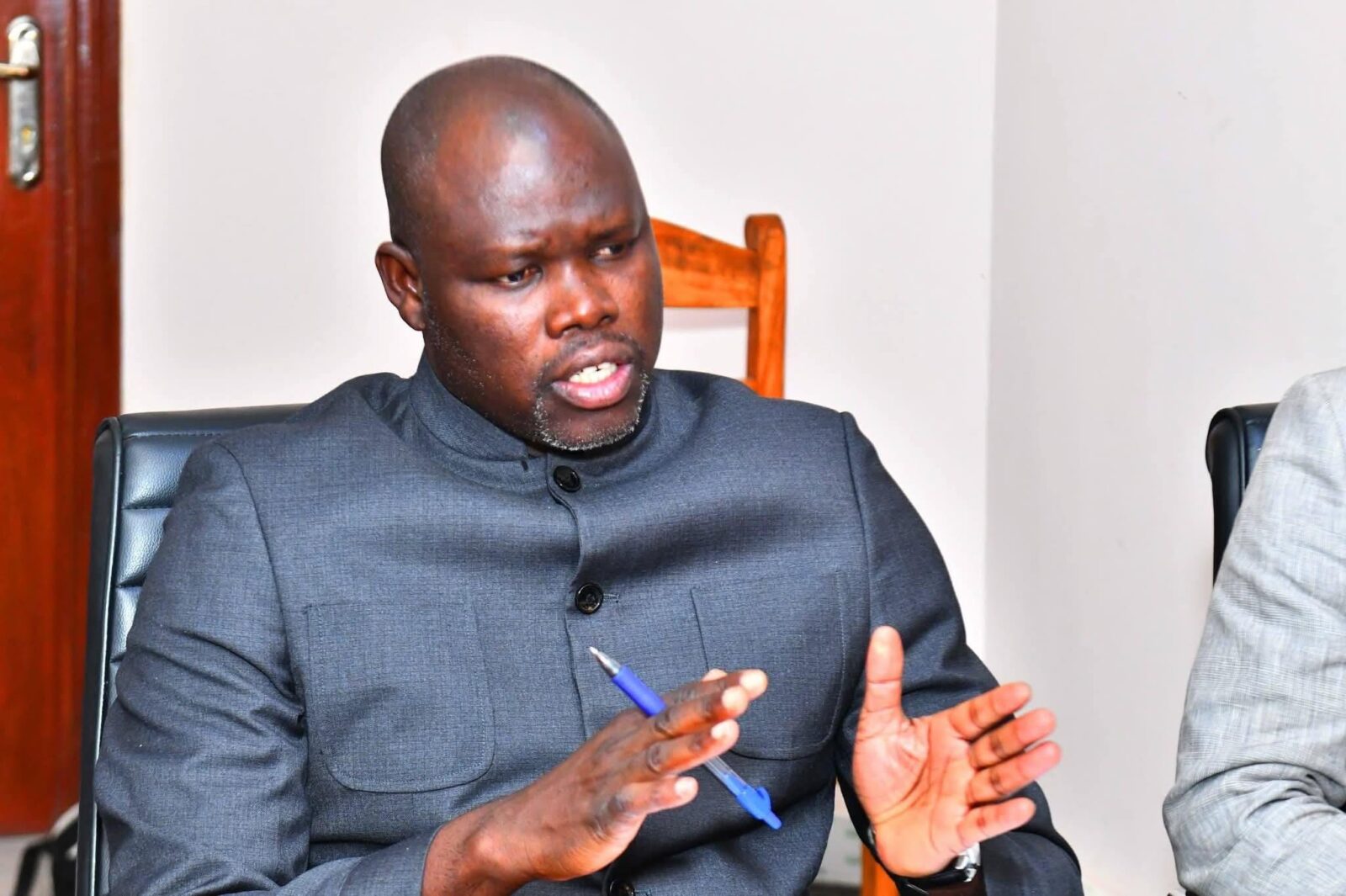
Political reforms: the DGE on a benchmarking mission across Africa
The Directorate General of Elections (DGE) has started benchmarking missions in several African countries with a view to supporting the announced reforms of the Senegalese political system. This initiative is part of the dynamic initiated following the National Dialogue on the Political System, held from May 28 to June 4, 2025.
From presidential commitments to implementation
During the opening ceremony of these consultations, the President of the Republic made a solemn commitment to implement all the consensuses resulting from the work. These conclusions, structured into thematic recommendations, were recorded in the General Report of the National Dialogue and officially submitted to the Head of State by the General Facilitator, accompanied by the General Rapporteur and members of the Directory.
Subsequently, a Committee for drafting texts relating to the recommendations of the National Dialogue on the Political System was established by Order No. 025556 of July 21, 2025. This committee’s mission was to translate political consensus into legal and institutional reform projects.
Preliminary projects already transmitted
At the end of its work, the Committee transmitted several preliminary draft texts to the President of the Republic. These planned reforms aim to make significant progress in modernizing electoral governance and consolidating the democratic gains gradually built by Senegal.
The stated objective is to strengthen the transparency, efficiency and credibility of the electoral process, while adapting the legal framework to contemporary requirements.
Study missions to draw inspiration from best practices
To support this decisive phase, the DGE launched benchmarking missions in African countries that have already experienced some of the planned reforms. These trips aim to analyze good practices, evaluate institutional mechanisms adopted elsewhere and draw lessons applicable to the Senegalese context.
This comparative approach reflects the authorities’ desire to place the reform in a pragmatic perspective, based on experience and exchange with electoral administrations on the continent.
