
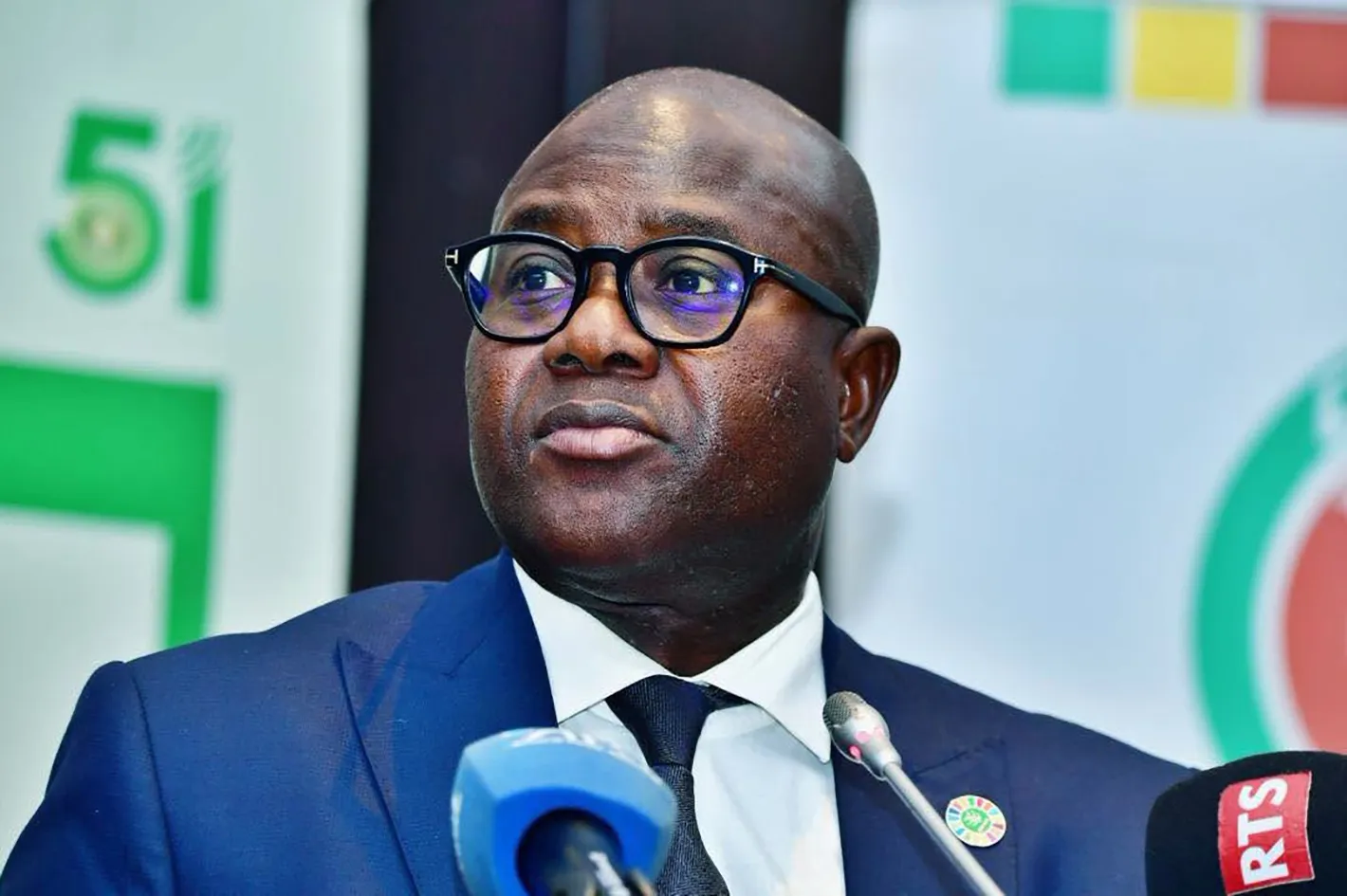
ECOWAS area: Intra-regional trade represents less than 20% of the region’s total trade
The Senegalese capital is hosting, this week, several initiatives from the Economic Community of West African States (ECOWAS) aimed at accelerating regional economic integration. According to figures, intra-regional trade represents less than 20% of the region’s total trade.
From June 22 to 26, Dakar will be the West African capital of regional integration. ECOWAS is holding discussions with a view to improving agricultural resilience systems. The event will also be an opportunity to discuss metrology and veterinary infrastructure in West Africa. Three main events mark this week. This is a consultation workshop between stakeholders to discuss the regional storage strategy of ECOWAS, the 11th General Assembly of Ecomet (ECOWAS Metrology Committee) and the delivery of equipment and consumables to the laboratory of the School of Veterinary Medicine.
The official opening of these activities took place this Monday, June 22, in the presence of Seydina Alioune Ndiaye, Secretary General of the Department of Industry and Commerce, representing the Minister. He underlined the importance of these meetings which ensure the good coordination of State actions and their effectiveness. For good reason, he says, “intra-regional trade represents less than 20% of the region’s total trade.” “This week is important for us. It allows us to take stock of achievements, to allow beneficiaries to also express their satisfaction or make other new proposals,” he indicated.
According to Mr. Ndiaye, this meeting, initiated by ECOWAS, is an opportunity for the countries of the sub-region to reflect on achieving food self-sufficiency and strengthening trade to avoid external dependencies. In the process, the Secretary General of the Ministry of Industry and Trade recalled the existence of a liberalization protocol providing for the free movement of goods, capital and people within ECOWAS. However, he deplores the persistence of numerous barriers. “We exchange more with partners from other continents than with ourselves,” lamented Seydina Alioune Ndiaye, citing the difficulties observed during the Covid-19 pandemic and other crises.
Business competitiveness
He called for local transformation of resources, enhanced industrialization and better development of West Africa’s potential, with 400 million inhabitants, abundant water resources and almost permanent sunshine. He called for inspiration from the “Vision Senegal 2050”, which focuses on local production and processing to achieve food self-sufficiency and strengthen the competitiveness of businesses on a regional scale. Furthermore, Mr. Ndiaye insisted on the issue of storage. For him, without suitable infrastructure, it is impossible to reduce post-harvest losses. These buildings will allow better regulation of markets, more stable income for producers and the creation of jobs, especially for young people and women. The Market Regulatory Agency is currently building such equipment in production areas.
For his part, Kanfitin Konlani, executive director of the Regional Agency for Agriculture and Food (representative of the ECOWAS Economic Affairs Commission), highlighted the 11th General Assembly of Metrology. This aims to analyze past activities, evaluate progress and define new perspectives to strengthen measures, product quality and support regional industrial development.
These initiatives illustrate the desire of ECOWAS member states to transform integration ambitions into concrete actions in the service of West African economies.
Assane FALL
