
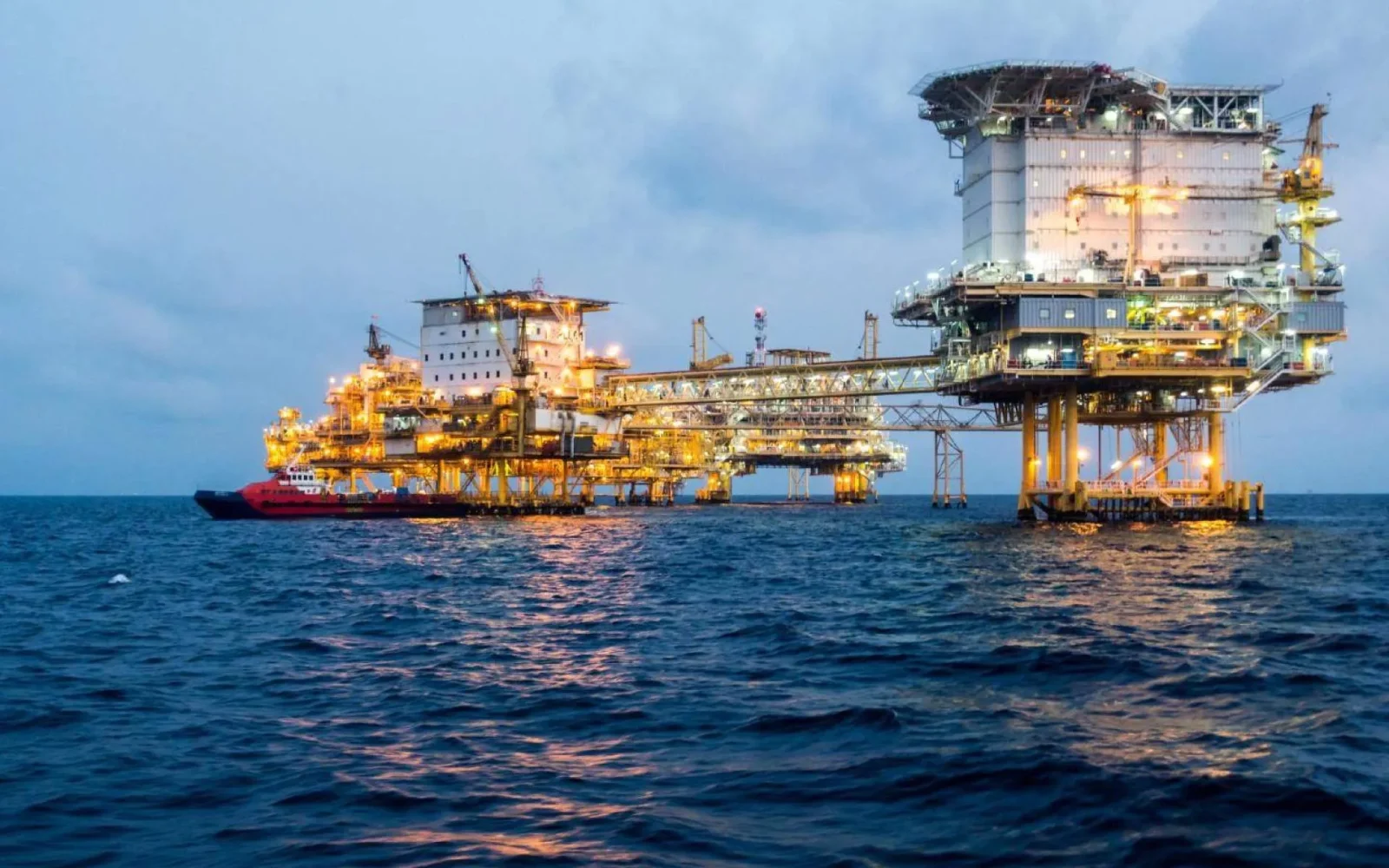
Energy: Senegal charts the path to its sovereignty (1/1)
Senegal is engaged in a major transformation of its energy sector. The decision of the State, through Senelec, to become the sole shareholder of the West African Energy (Wae) plant, combined with the desire displayed by Petrosen to resume the development of the Yakaar-Teranga gas field, reflects the same ambition: to build true national energy sovereignty.
Long dependent on imported fossil fuels to power its power plants, Senegal is now seeking to rely on its own gas resources to reduce its production costs, secure its supply and strengthen its economic competitiveness. For the general director of Senelec, Papa Toby Gaye, energy sovereignty begins with the control of strategic infrastructures. “A 366 MW power plant, representing around 1/4 of national demand, cannot be treated like an ordinary project: it directly affects the country’s security of supply,” he underlines. According to him, the acquisition of West African Energy (Wae) responds to three major imperatives: regain control of a strategic asset, support the national “Gas-to-Power” policy and better articulate national energy resources with the needs of the electricity system. In the same vein, Senegal made a strategic choice by taking back Yakaar-Téranga. According to the general director of Petrosen Holding, Alioune Guèye, it is the symbol of “the march towards energy sovereignty of Senegal”. With this gas, he says, Senegal can “reduce electricity production costs by half”.
Yakaar-Teranga, the national gas bet
Discovered in 2014, the Yakaar-Teranga gas field represents one of the largest gas fields in the country with reserves estimated between 25 and 32 tcf (trillion cubic feet).
For Mr. Guèye, this potential goes far beyond the simple exploitation of a natural resource. “In terms of electricity generation, a tcf would give us, at the current consumption rate, an autonomy of 23 years. So imagine what 25 to 32 tcf represents? » Petrosen’s ambition is clear, insists his CEO. This involves directing production towards the domestic market. This approach marks a break with models traditionally focused on the export of hydrocarbons. For Alioune Guèye, the strategy is clear. This involves gradually replacing imported liquid fuels, notably heavy fuel oil and diesel, with natural gas. “The leading factor of production in the world is electricity,” he recalls. The general director of Petrosen believes that a lasting reduction in electricity prices could strengthen the competitiveness of Senegalese companies, attract more industrial investments, stimulate job creation, and improve the purchasing power of households.
The challenge of mobilizing local actors
For the CEO of Senelec, energy sovereignty has become a requirement. In Papa Toby Gaye’s opinion, recent international crises have demonstrated the limits of strong energy dependence. “The war in Ukraine, tensions in the Middle East where disruptions to global supply chains have caused oil, gas and shipping prices to soar. For net energy importing countries, the consequences are immediate. When international prices rise, electricity companies pay more for their fuels. States are often forced to increase subsidies to avoid a sudden increase in prices,” he emphasizes.
Estimating the budget for the development of Yakaar-Teranga, the CEO of Petrosen puts it at nearly three billion dollars. A colossal amount, but within reach, thinks Alioune Guèye. “The resources exist. We are not asking for charity, we are urging the Senegalese to invest in oil and gas. We envisage increased mobilization of national savings. The success of “Gas-to-Power” will depend on the construction of suitable gas pipelines, processing units, storage infrastructure and distribution networks,” he explains. Beyond strengthening national skills, Mr. Guèye insists on “the governance of natural resources which remains decisive”. “Yakaar-Teranga is extremely important and strategic for the state and for Petrosen. This is the assurance of Senegal’s energy sovereignty,” he maintains.
By Oumar FÉDIOR
