
Public policies: female leadership, a lever for budget transformation
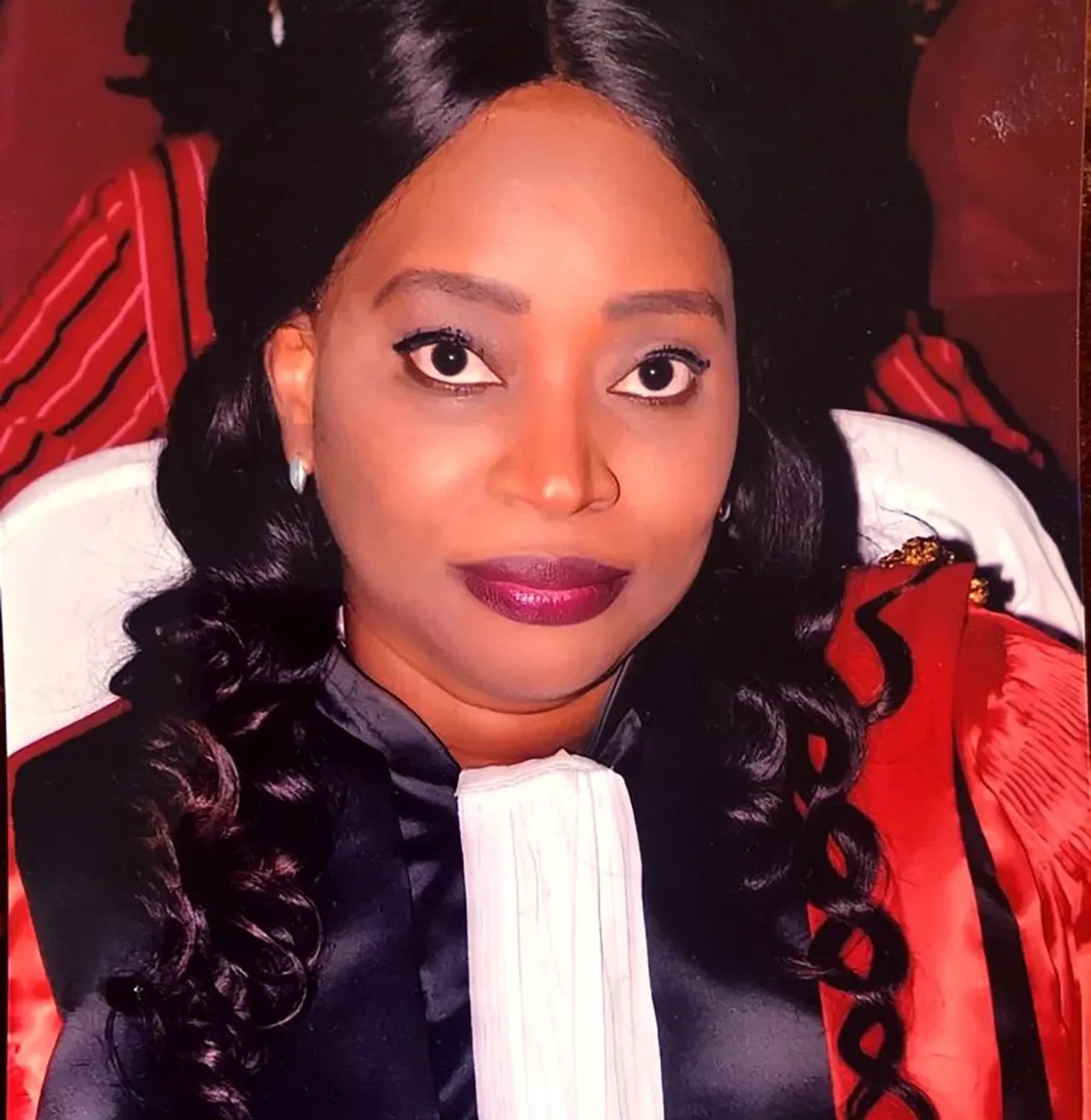
Africa needs all its skills to transform itself. Women therefore do not need to ask permission to excel and play their part. In the field of science, health or research, Professor Fatou Samba Ndiaye, president of the Association of Women Doctors of Senegal, invites her sisters to cultivate audacity.
“Women’s leadership in global health: strategic influence on public policies, social justice and innovative financing models in a context of limited resources”. This is the theme of the webinar organized on March 11, 2026, by the Galien Afrique Association (Aga), in partnership with the African Media Network for the Promotion of Environmental Health (Remapsen).
This activity, initiated in the wake of the celebration of International Women’s Rights Day, served as a framework for Professor Awa Marie Coll Seck, president of the Aga, to recall the centrality of women in society. As such, she believes that her leadership must be recognized in all areas, including health. “Recognizing women’s leadership is not just a matter of justice.
This is an essential condition for more efficient health systems that are closer to the populations,” underlines Ms. Seck, emphasizing the indispensable nature of women’s leadership “to transform public policies,” “imagine more equitable financing models” and “build health systems that truly meet the needs of the populations.” Especially since the world remains, in his opinion, dominated by “health crises, economic tensions, climate change and persistent inequalities”.
Professor Fatou Samba Ndiaye, president of the Association of Women Doctors of Senegal (Afems), thinks that “female leadership is not a question of representativeness, but a real lever for transforming public budgets”. According to her, it is essential to ensure that “each health budget line is analyzed from the angle of its impact on women and girls”.
Also read: Dalal Jamm Hospital: a second successful bone marrow transplant
Ms. Ndiaye points out: “As a researcher, we can prove that treating a woman means stabilizing a family and an economy.” In addition to demonstrating this return on investment, the president of Afems recommends “documenting the specific needs” of women and “using data from (their) services to show disparities in access to care and force decision-makers to react to numerical evidence”.
For her, “health sovereignty will necessarily involve a change in economic model”. To transform public budgets and take greater account of the gender dimension, Fatou Samba Ndiaye calls for taking health leadership out of hospitals and “investing in the bodies where finances are decided”.
Concretely, she calls for “placing health experts in cross-cutting ministries”, because she is convinced that “it is not only in the Department of Health and Public Hygiene, but also in the Ministry of Finance and Planning that women leaders must sit to influence budgetary arbitration”.
According to Professor Ndiaye, “women’s health is an engine of growth and not a cost”. In doing so, to transform research in Africa, she suggests adopting “the principles of the social and solidarity economy”. “Imagine centers of excellence where the benefits of innovation will not be used to enrich distant shareholders, but will be systematically re-injected to train the next generation of women doctors and researchers. This is a sovereign and sustainable science,” explains the president of Afems.
Maïmouna GUÈYE
