
Reproductive health: Digital platforms, a privileged information space for young people
Conducted in three West African countries (Burkina Faso, Ivory Coast and Senegal), two studies targeting young people aged 15 to 24 show a change in behavior in access to information on reproductive health. Even though the role of their peers remains essential, many are now turning to digital platforms for information.
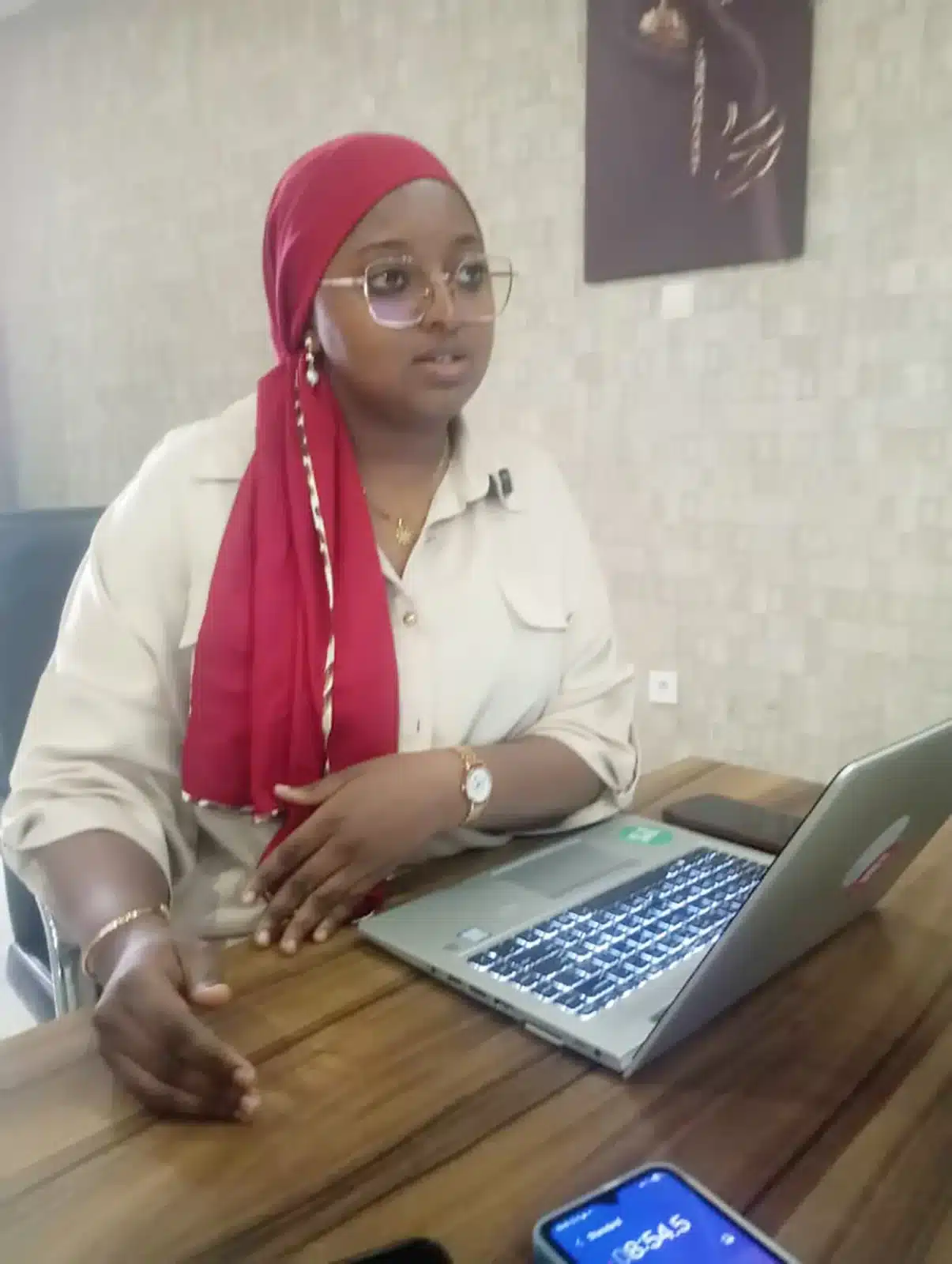
Two studies carried out in Senegal, Burkina Faso and Ivory Coast among young people aged 15 to 24, as part of the 360 Campaign of the “C’est la vie!” program. » of the African Network for Education, Health and Citizenship (Raes) were presented on July 6, 2026. It was during the launch, in Toubab Dialaw, some 50 kilometers south of Dakar, of the fourth “Regional Synergy Workshop” (July 6-8, 2026). The latter aims to strengthen collaboration between different actors, encourage the sharing of experiences and identify new partnership opportunities in order to maximize the collective impact of interventions in favor of sexual and reproductive health and rights. The main lessons learned from this survey, the first part of which took place from December 2023 to February 2024 and the second between June 2025 and October 2025, include the fact that today, to find out about their reproductive health, young people are increasingly turning to digital platforms. “They prefer to contact a call center, chat with someone on WhatsApp or use a chatbot rather than going directly to see a nurse or pharmacist who could judge them or not give them the product,” says Yaye Deffa Wane, research manager for the Raes “C’est la vie” project. According to her, this preference is justified by several reasons, including “confidentiality. “The fact of not being recognized and that no one knows that they have come to ask for this or that information” pushes young people to avoid traditional healthcare structures which do not often guarantee anonymity: the second reason which motivates them to now want to invest in digital platforms.
The third reason mentioned by young people relates to geographical accessibility. “Traveling can be complicated or expensive, whereas online you just need to have a little connection or call a toll-free number,” says Ms Wane. However, the two studies highlighted the eminent role played by young leaders who also constitute a force to the extent that they have “much greater power than those of influencers and role models”, maintains the research manager of the “C’est la vie!” program. » And for good reason, she explains, “the basis is trust. They know the leader who integrated them into the group. Even for the questionnaires we sent them, they responded much more easily than the others who often had to be repeated. They have, for example, shown more progress in knowledge of contraceptive methods, use of services or even the fact of talking about it to a friend or a relative.” Concerning the parental approach, which did not appear in the first research, it was suggested by the young people. “It was the young people themselves who, during the focus groups, said that it was important for them to be involved. In the second research, we formed a group with parents. This confirmed that young people were afraid to talk about sexuality with them and that it was necessary to integrate them precisely because they constitute their most direct influence”, clarifies Yaye Deffa Wane, underlining the presence of religious people whom they are “in the process of studying, because they directly influence the parents”. “So it’s a whole circle that needs to be covered,” she says. Interpersonal dialogue with the numerous groups of young people who know and trust each other also emerged as an important element in the study, it being understood that young people will dare to confide in their peers, seek information and learn. Another essential point concerns narrative content that promotes engagement. “Telling stories, like in the series “C’est la vie!” “, allows young people to identify with a character whose journey has ups and downs. They can then reproduce positive attitudes or avoid negative behaviors by seeing their consequences,” says the researcher of the “C’est la vie!” program. » from Raes.
Maïmouna GUÈYE
