
Dakar Dem Dikk accelerates its digital transformation
A strategic tool to improve network performance and prepare for the intermodality of urban transport. This is how the Operational Control Center that the Dakar Dem Dik company launched this Monday July 6, 2026 is described.
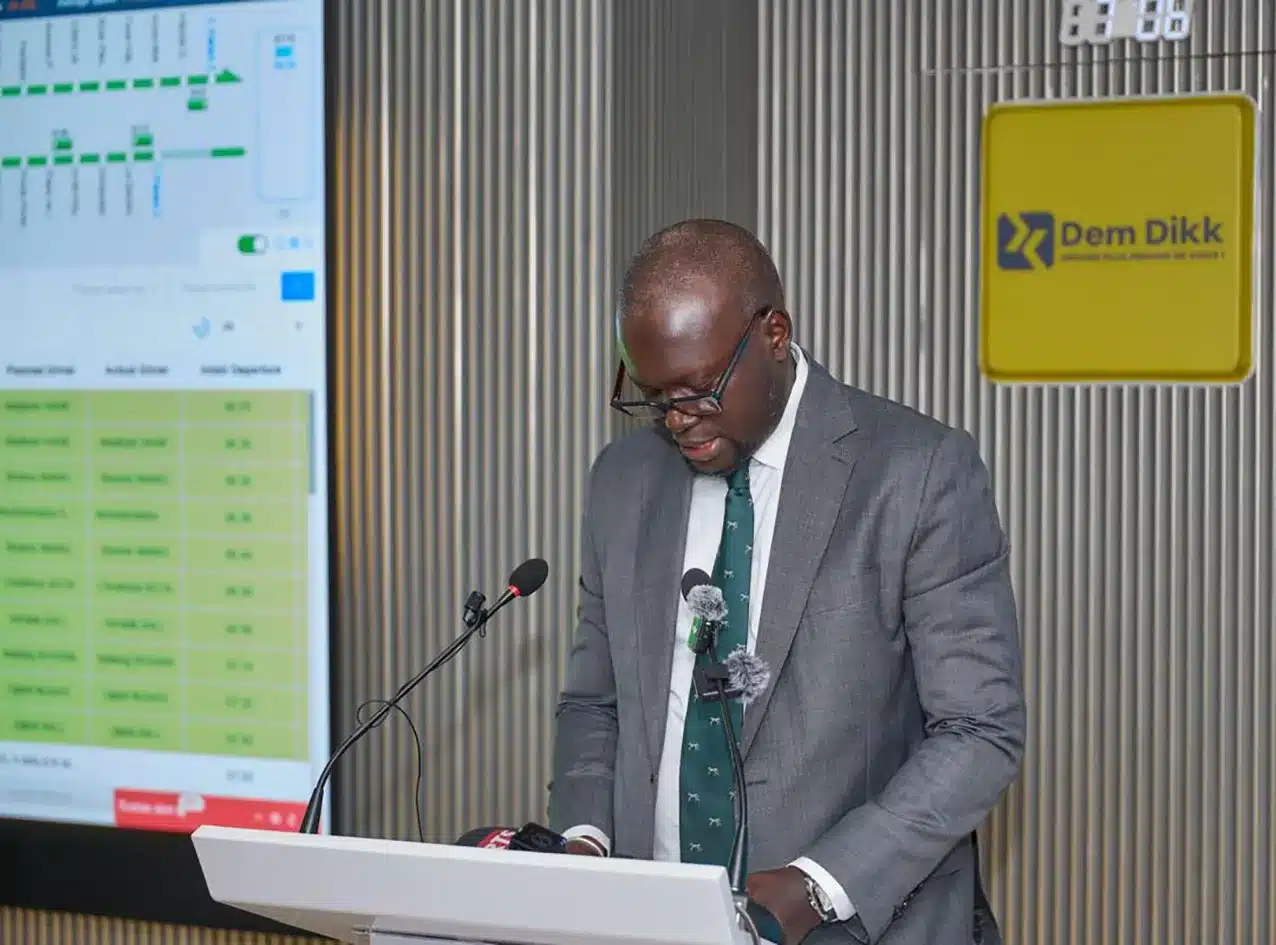
Dakar Dem Dikk (Ddd) opens a new sequence of its development. The national public transport company proceeded, yesterday, Monday July 6, to the inauguration of its Operational Control Center (Cco), a technological infrastructure designed to sustainably transform the operating conditions of its network. Beyond the modernization of management tools, this investment reflects the ambition of public authorities to build a more efficient, more integrated mobility system and better adapted to the requirements of a rapidly expanding metropolis.
Named after Safiétou Samba Mbodj, a historic figure in the company, the Operational Control Center now constitutes the brain of Dakar Dem Dikk’s operating system. Thanks to permanent geolocation of buses, on-board video surveillance, real-time tracking of routes and instantaneous reporting of incidents, teams will have a global vision of the network’s operation. This supervision capacity will make it possible to anticipate congestion, quickly readjust services, strengthen passenger safety and improve service regularity.
For the general director of Dakar Dem Dikk, Assane Mbengue, this achievement marks the culmination of a vast transformation project initiated two years ago. The company has gradually moved from an essentially reactive management model to an operation based on data control, the digitalization of procedures and the continuous improvement of operational performance. According to him, this development constitutes an essential lever for strengthening the competitiveness of public transport in the face of the challenges of urbanization and mobility.
This digital platform also prepares another major step: the implementation of completely dematerialized ticketing that is interoperable with other structuring modes of transport, in particular the Regional Express Train (Ter) and the Bus Rapid Transit (Brt). Ultimately, the same payment medium will allow users to make their trips on several networks, thus promoting more fluid mobility and better complementarity of transport infrastructures.
The Operational Control Center is also part of the guidelines of the “New Technological Deal” and the “Vision Senegal 2050” which place digital transformation at the heart of the modernization of public services. A few months before the “Dakar 2026” Youth Olympic Games (YOG), this investment appears to be an additional asset to guarantee a more reliable, secure transport offer that complies with international standards.
On the economic level, the first effects of this strategy are already starting to be felt. The general director announced that Dakar Dem Dikk returned to a positive result at the end of the 2025 financial year, after several years marked by operating constraints. An improvement that he attributes to the rationalization of management, investments made in infrastructure as well as the strengthening of operational efficiency. Presiding over the ceremony, the Secretary General of the Ministry of Infrastructure and Land and Air Transport, Abdoulaye Guèye, underlined that this infrastructure illustrates the State’s desire to build a modern, connected collective transport system capable of sustainably supporting economic growth and urban development in Senegal.
Pathé NIANG
