
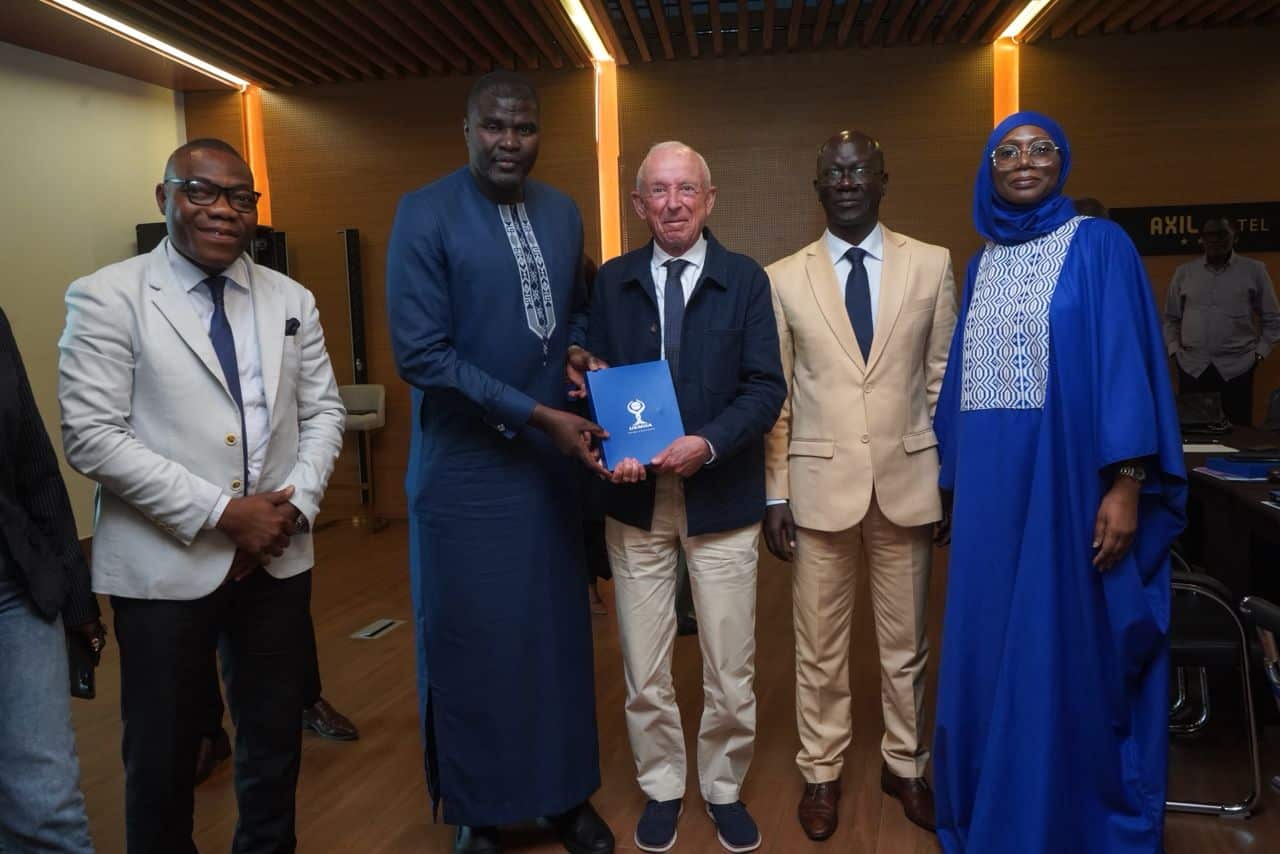
Remuneration for private copying: Senegal undertakes to make the system operational
The State of Senegal has reaffirmed its community commitment to working to make the remuneration system for private copying operational in a spirit of regional solidarity and the promotion of cultural diversity. This was indicated on Thursday by the Senegalese Minister in charge of Culture, Amadou Ba, during a workshop on the issue.
From May 7 to 9, 2026, Dakar will host the national workshop on the transposition of Directive No. 07/2023/CM/UEMOA of September 22, 2023 harmonizing the provisions relating to the right to remuneration for private copying. Having chaired the opening ceremony, Minister of Culture Amadou Ba expressed the State’s desire to realize its community commitments.
“Like the Member States of the Union which have already implemented remuneration for private copying, the State of Senegal reaffirms its community commitment to working to make the remuneration system for private copying operational in a spirit of regional solidarity and the promotion of cultural diversity,” he said.
Remuneration for private copying (RCP), maintains Minister Amadou Ba, is an important source of income for rights holders. In Africa, it represents up to 70% of the revenue of collective management organizations for copyright and related rights, in the countries where it is in force.
Also read: Hugues Diaz, director of the Arts: “Senegalese art always has good press”
However, he regrets, despite the adoption of implementing decree No. 2015-682 of May 26, 2015 of the aforementioned law, the institution of the Private Copy Commission and the reality of the harm suffered by rights holders, the implementation of remuneration for private copying in Senegal is slow to be effective.
“Today the development of digital technologies and the multiplication of production media have profoundly transformed the ways in which intellectual works are consumed. This development, while it constitutes an opportunity for the dissemination of cultural works, also poses major challenges in terms of protecting the rights of artistic and literary creators,” he recognized.
Moreover, according to the Senegalese Minister in charge of Culture, it is in this context that remuneration for private copying appears as an “exception to copyright” aimed at compensating the damage suffered by rights holders. It also aims to encourage artistic creation and strengthen the economic viability of the cultural and creative industries of the States of the sub-region.
“The workshop that brings us together today will allow us to discuss, identify the major challenges and share experiences on the practical arrangements for implementing the remuneration system for private copying,” he explains.
The actors will focus on: the methodology for transposing the directive harmonizing the provisions relating to the right to remuneration for private copying; the system for collecting and distributing remuneration for private copying and the role of collective management organizations in remuneration for private copying.
Mariama DIEME
