
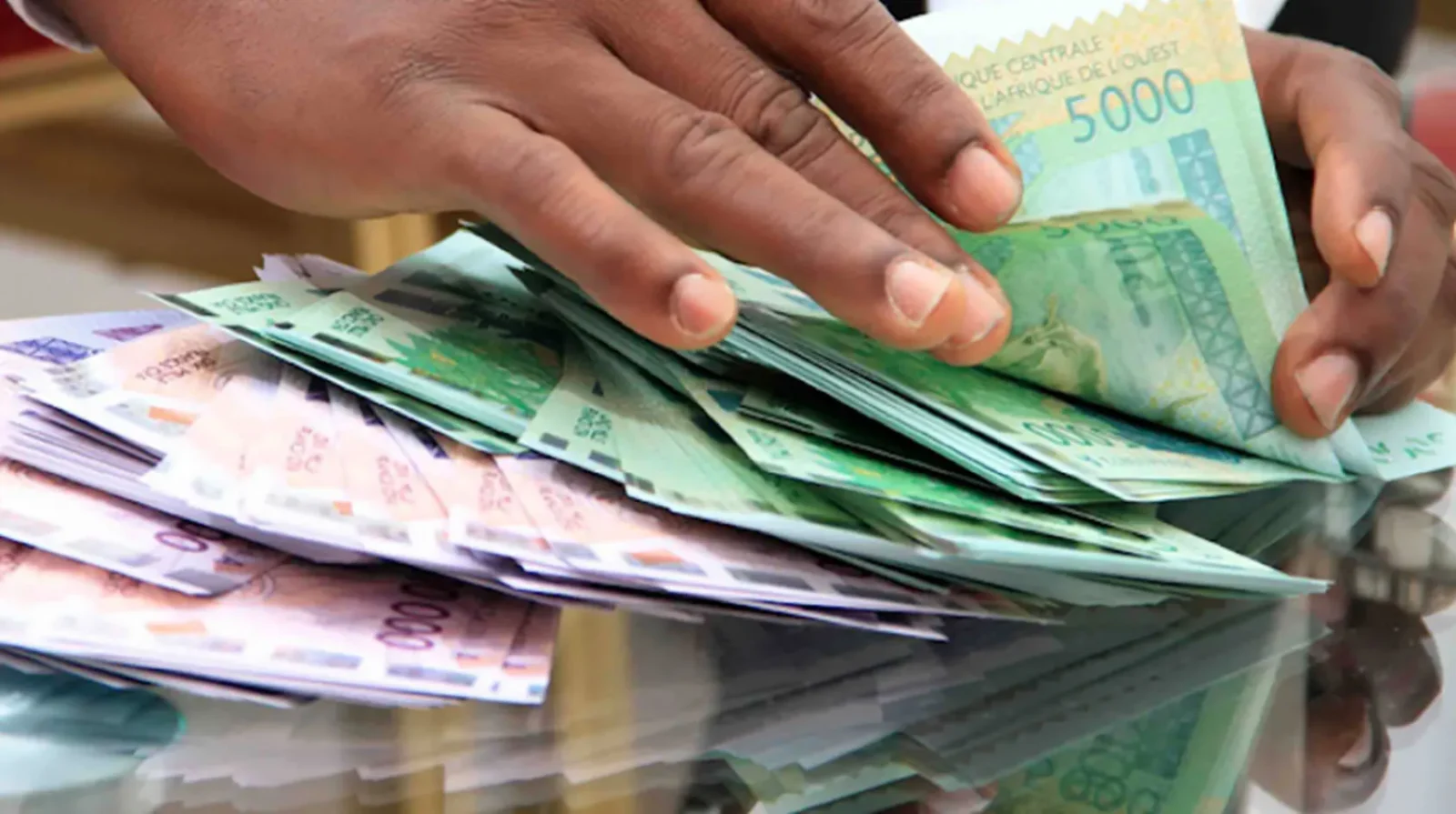
Mobilization of financing: Three public offerings planned by the end of the year
After the technical agreement with the International Monetary Fund (IMF), the Ministry of the Economy, Finance and Planning organized this Thursday, an exchange session with the press. The meeting led by the directors general of the various services focused on Senegal’s new economic and financial trajectory.
To this end, the director of capital markets at the General Directorate of Financing and Debt, Elhadji Alioune Diouf announced that the State will continue its financial mobilization schedule. So. by the end of the year, three public offerings will be organized on the financial market, including a Sukuk. The amount requested for each issue will be around 200 billion FCFA.
In this context, the other advantage according to Elhadji Alioune Diouf is access to concessional resources. “We recently noticed a tightening of fundraising conditions. And it was linked to several factors including the absence of a program with the IMF. Now with the successful conclusion of the negotiations, we will be able to access concessional resources but have a reduction in rates,” said Elhadji Alioune Diouf.
“No restructuring”
On the sidelines of the conference, Elhadji Alioune Diouf indicated that the Ptds is not a restructuring. According to him, Senegal has taken the option of putting in place a plan by highlighting its specificities and its strong points. And among these specificities, we must remember the option that the State has taken not to integrate a third of its debt.
“That’s an important point. We targeted the debt which posed many more constraints for us in terms of sustainability and took a good part of the debt which will allow us to continue to finance ourselves to implement projects,” underlined the director of capital markets at the Dgfd.
During his intervention, he also excluded the debt in FCfa from the scope of execution. This debt is estimated at 9100 billion. For him, the other element of differentiation compared to cases of restructuring is that most of the countries which are undergoing restructuring have experienced a noted default. Which is far from being the case in Senegal.
Demba DIENG
