
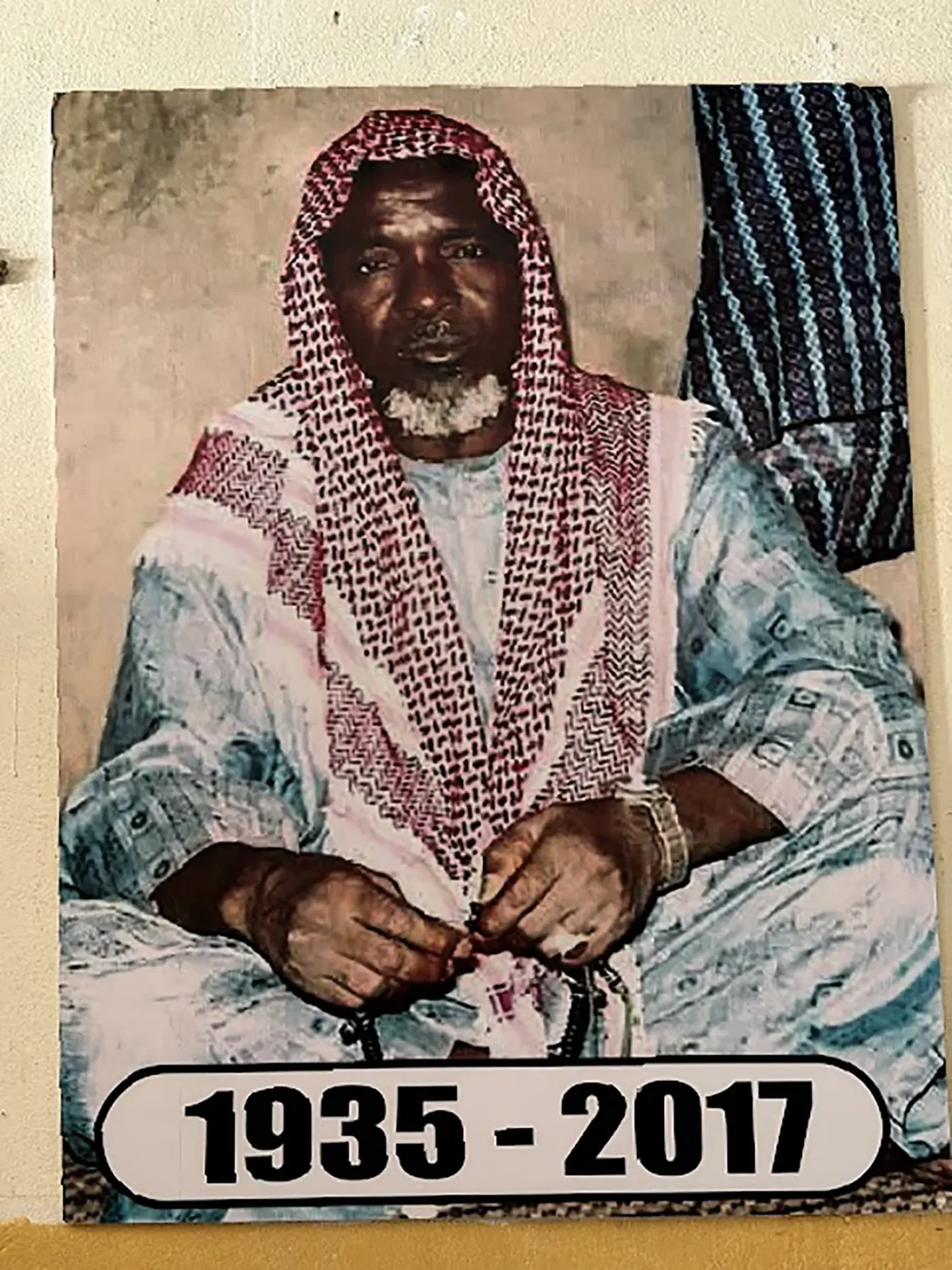
Alphousseynou Diémè (1935-2017): religious and soul of the village of Nioroky
The image of Nioroky, a village in the commune of Diacounda located in the department of Bounkiling, has long been associated with that of Alphousseynou Diémé, a marabout who died in 2017, at the age of 82. This defender of Islam in Fogny Diragone has worked extensively to open up this locality. He also encouraged the teachings of the Koran, French and the practice of agriculture.
SEDHIOU – Bordered by Mampalago (Ziguinchor region), from which it is separated by the Soungrougrou – a branch of the river serving as a natural border – the village of Nioroky, in the commune of Diacounda (Bounkiling department), experienced a period of glory thanks to the marabout Alphousseynou Diémé. The latter had understood very early on that to boost the development of the locality, it was necessary to facilitate mobility and invest in agriculture.
This is how he met some notables of the village to express to them his wish to create a protective dike. This structure will ensure the crossing of this arm of the sea which, according to certain sources, causes cases of drowning of populations wanting to reach the Transgambian. It also played an important role in the fight against land salinization.
“With other young people from the village, we were hired by the marabout to build the dike. It was about two kilometers long. We had rudimentary tools like the “kadiandou” (instrument used in Casamance for plowing fields),” recalls Sadibou Sonko, originally from the village of Djignaky, in the Bignona department.
Initiator of the bridge and dam
He was a disciple of the marabout. This artisanal construction only lasted three years, because the herds which had made their way there in the dry season finally destroyed it.
Later, Alphousseynou Diémé returned with another project, this time more structuring: the construction of an infrastructure consisting of a dam to reduce salinization and a bridge for passage.
“The work began in 1987. The marabout who had previously requested support from the authorities of the time was obliged to begin the project with his own means. He thus begins to install sandbags with the communities. Later, a non-governmental organization decided to provide support,” says Ismaïla Sagna, professor of history and geography, author of a story on the life and work of the man of faith.
The work will last almost two years. This infrastructure will contribute to the growth of Nioroky. With this bridge, the rice fields had greened up and yields had significantly improved. “We harvested rice twice a year,” informs Fatou Sonko, a witness to that time.
In the backwater, fish were also abundant. A radiant past. But this dam, which played an important role, as it constituted a passageway between the regions of Sédhiou and Ziguinchor, is, today, in a worrying state of disrepair.
Education craftsman
The structure is eaten away by salt and the laterite track which provides access to it has deteriorated. “As recently as Tuesday, April 21, a motorcycle taxi driver skidded and was seriously injured,” says Karfa Diémé, security officer at the Nioroky health post. According to him, the situation on the bridge is more frightening during winter. Ambulances that have to transfer patients hesitate to respond to requests for fear of ending up in the water.
In addition to the dam coupled with a bridge, Alphousseynou Diémé has had a positive impact on education in the village. The cleric has, in fact, created Franco-Arab educational establishments, thus complying with state policy undertaken in 2008 and aiming to establish more schools in rural areas.
Aware that education needed to be modernized, he cooperated with experienced Franco-Arab establishments in the department of Bignona to create a teaching college. The objective was, according to Ismaïla Sagna, “to offer in-depth knowledge of the Koran to the children of Fogny Diragone where tradition still retains significant weight”.
In his establishments, Alphousseynou Diémé placed emphasis on teaching Malikite jurisprudence, Islamic theology and the biography of the Prophet Mohamed (Psl). But, residents are also provided with a government program to facilitate their integration.
Infrastructures such as the mosque or the health post are built by the marabout. Since its disappearance in 2017, the village has experienced a decline in the agricultural sector. A situation which greatly affects women who were the main actors in the sector.
Jonas Souloubany BASSÈNE
