
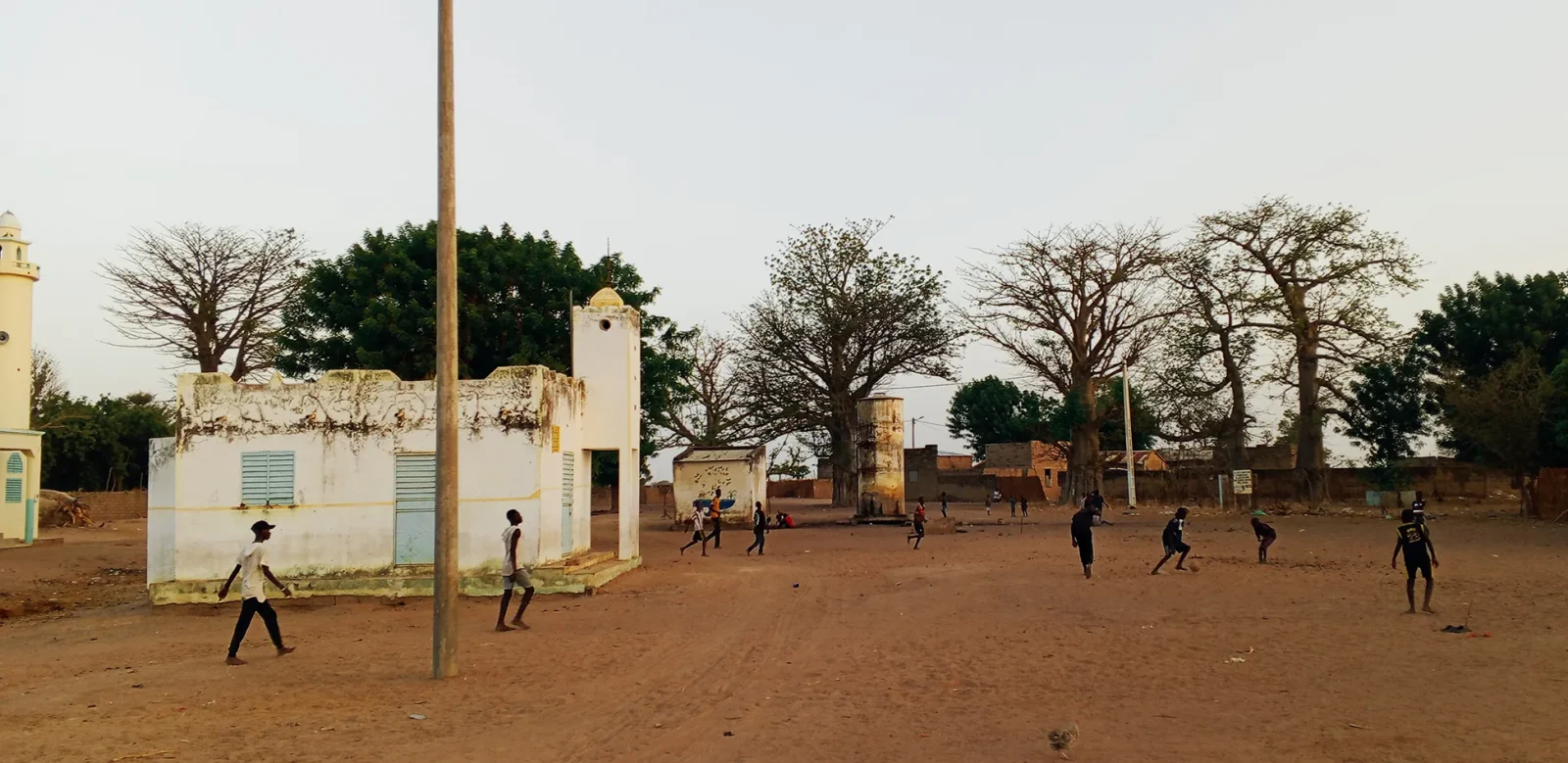
Keur Socé (Kaolack): the village of Kembou in search of well-being
Located in the heart of Saloum, in the Kaolack region, Kembou is a village where everything seems to be an emergency. This rural locality, nestled a few kilometers from Keur Madiabel, suffers from a glaring deficit in basic infrastructure and an isolation which accentuates the daily life of its inhabitants.
KAOLACK– In Kembou, the feeling of abandonment is widely shared. Degraded roads, lack of health infrastructure, insufficient school equipment… Almost everything is an emergency. As soon as you enter the village, the situation is obvious. The sandy and difficult-to-pass roads complicate the movement of populations, particularly during the winter. During this period, residents experience enormous difficulty reaching the nearest urban centers for healthcare or to sell their agricultural produce.
Also read: Kaolack: The Living Environment offers a new face to the Kasnack district!
“We feel like we’re abandoned. Each winter is a challenge. Vehicles often refuse to come here and we are forced to travel several kilometers to find a means of transport,” laments Ousmane Diouf, a village notable. Inhabited mainly by the Serer and the Fulani, Kembou also faces significant difficulties in accessing drinking water, health care and certain administrative services.
According to old Diouf, students are forced to travel long distances to continue their education in neighboring communities. “From a certain level of education, our children are forced to leave the village. It’s painful for them because of the long distances, but also for us, the parents,” he explains. According to him, this situation encourages school dropouts and reduces the chances of success.
Access to care, a real headache
Existing infrastructure suffers from a lack of maintenance and resources. Classrooms are insufficient to accommodate all learners in satisfactory conditions. Parents are demanding the construction of new classrooms, the assignment of additional teachers and the improvement of teaching equipment. “We simply want to offer a better future to our children, but without adequate infrastructure, it becomes very difficult,” adds Ousmane Diouf.
In terms of health, the distance from health structures exposes residents to significant risks. In the event of a medical emergency, evacuations to the nearest health centers become a real race against time.
“For consultations or emergencies, patients sometimes have to be evacuated to Keur Madiabel or Kaolack, with all the difficulties linked to transport. The situation is particularly distressing for pregnant women. The roads are impassable and reaching your destination is often a miracle,” says Seynabou Faye, a resident of the village. In this locality of the commune of Keur Socé, the construction or strengthening of local health infrastructure appears to be a necessity.
Agriculture, livestock: pillars of resilience
Such a measure would considerably reduce the risks linked to delays in treatment. “We are not asking for privileges. We simply want to have access to the same services as other citizens of this country,” says Imam Salif Bâ, a respected notable from Kembou.
Despite the many difficulties, the populations of Kembou demonstrate remarkable resilience. They are active daily in agriculture and livestock breeding, the main economic activities of the locality. “We are in Saloum, an area renowned for peanut cultivation. We are all farmers and it is essentially this activity that allows us to survive,” explains Ousmane Diouf.
In addition to peanuts, other crops, such as millet, cowpea and watermelon, are cultivated. As for women, they develop small market gardens intended for family consumption and marketing.
“These village gardens are of capital importance to us. The little money we earn from the sale of our vegetables allows us to meet small household expenses,” rejoices Khady Diouf, member of the Kembou women’s group. Determined to actively participate in the development of their locality, they are seeking more support in order to better promote their production and thus improve their income.
