
New opportunities for the sustainable economy in Senegal October 10, 2026
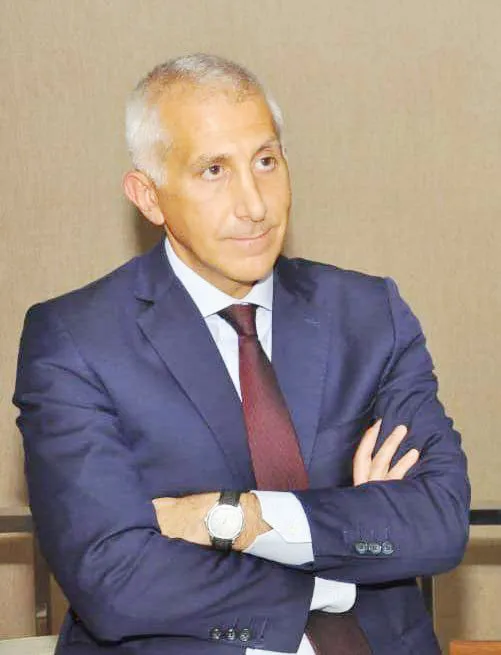
In the wake of an interview given to the daily newspaper “Le Soleil” by Professor Théophile Zognou, president of the African Consortium of Environmental Funds (Café), Olivier Santi, managing partner of Cristal capital, an investment fund based in Geneva, gives some ideas for attracting capital for financing biodiversity. In his opinion, Senegal has considerable assets: its mangroves, its fishery resources, its Marine Protected Areas (MPA) and its terrestrial ecosystems constitute natural capital essential to food security, coastal protection, tourism and economic activity. This is why he believes that the preservation of this heritage must be considered as a long-term investment and not as a simple environmental burden. “Like any capital, it must be protected, maintained and developed sustainably, with priority involvement from local populations who must find a direct economic interest in its preservation,” explains Mr. Santi.
For him, conservation trust funds offer a proven model for linking natural capital and financial capital. This is done by bringing together economic, environmental and social interests. Their local roots make it possible, in his opinion, to involve communities in the protection and enhancement of their heritage while securing long-term funding.
In Dakar, the preparatory work for the creation of a conservation trust fund, presented in Bissau by Wetlands International and its partners, constitutes a concrete step forward in assessing needs and structuring financing.
In Bissau, African trust funds affirmed their desire to strengthen their autonomy, diversify their resources and mobilize more capital on the continent. A few days later, in Geneva, the international Building Bridges meetings, dedicated to sustainable finance and which run from October 6 to 8, 2026, echoed this ambition: to move from commitments to investments by mobilizing capital around projects structured and adapted to African realities.
“From Bissau to Dakar via Geneva, the same dynamic is at work: bringing together initiatives, skills and capital, so that the preservation of natural heritage becomes a real engine of sustainable economic development in Senegal,” concludes Olivier Santi.
Seydou KA
