
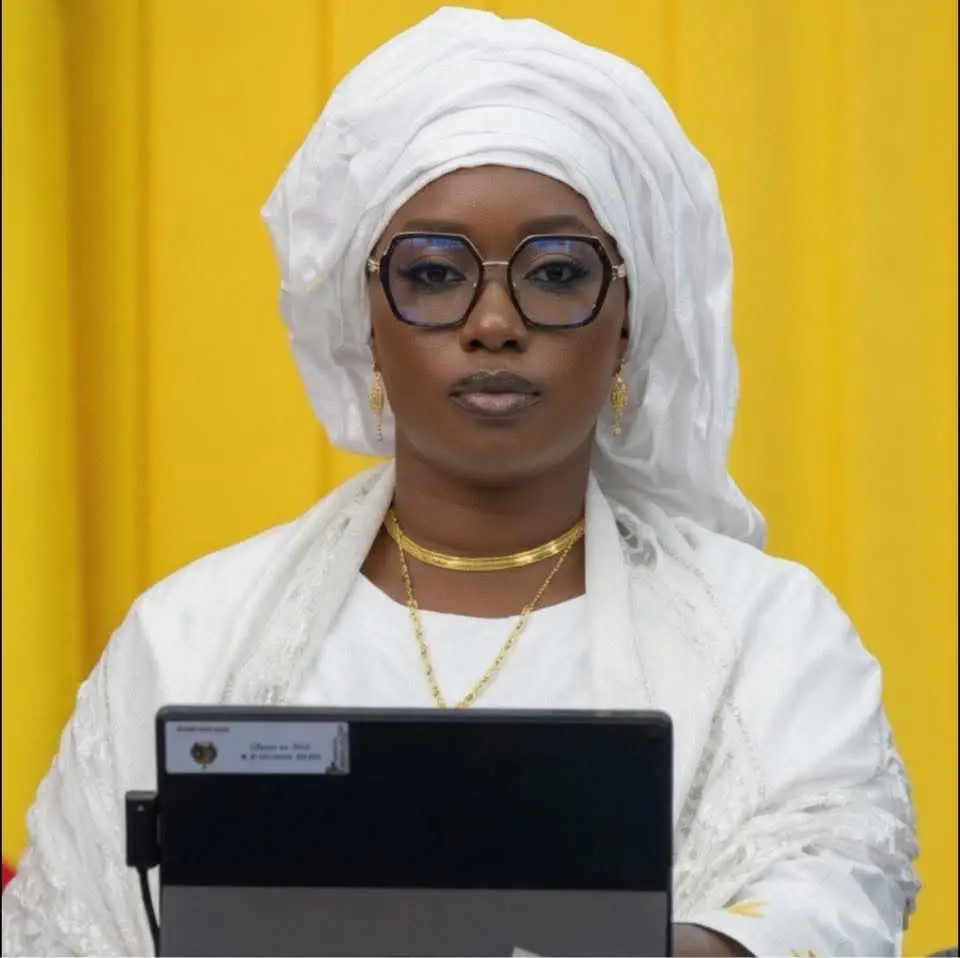
Fisheries sector: the construction of three processing units launched in Ziguinchor
The Minister of Fisheries and Maritime Economy, Amy Mara Dièye, launched, yesterday, Wednesday October 21, 2026, in Ziguinchor, the construction work of three modern fisheries products processing units. They aim to improve the working conditions of women, reduce post-harvest losses and increase the income of fishing communities.
In the south of the country, the Minister of Fisheries and Maritime Economy, Amy Mara Dièye, launched, yesterday, Wednesday October 21, 2026, construction work on three modern fisheries products processing units. Mangacounda, Baghagha and Fanda are the localities where these infrastructures will be built as part of the “Anaré Difal” project, which means “women of the sea” in the Diola language.
They intend to give new impetus to the fishing industry in Casamance. The launch ceremony, held in Ziguinchor, marks an important milestone for the beneficiaries. Funded by Japan and implemented by the Food and Agriculture Organization of the United Nations (FAO), in partnership with the Ministry of Fisheries, the initiative places women at the heart of local economic development.
“This project reflects our common desire to strengthen the economic autonomy of women and to promote a sustainable fishing industry in Casamance. This is the wish of the President of the Republic, Bassirou Diomaye Faye, of the Prime Minister and of the entire government,” underlined Amy Mara Dièye.
She recalled that fish constitutes an essential source of protein and nutrients for households, particularly the most modest. In his eyes, preserving the quality of products and limiting post-harvest losses are essential to the profitability of fishing activities, but also to the country’s food security and sovereignty. Beyond the construction of buildings, the challenge is to enable processors to work in better health and safety conditions while offering higher quality and more competitive products.
The new facilities should also promote better fish development and strengthen the income of local stakeholders. “By investing in women, we support families, communities and the future of our territories,” said Bintia Stephen Tchicaya, FAO regional coordinator for West Africa. According to him, the expected benefits go beyond the economic framework.
Ms. Tchicaya specified that these infrastructures will contribute to improving household health, children’s schooling and the capacity of communities to cope with economic and climatic difficulties. Addressing the beneficiaries, the Minister of Fisheries urged them to take ownership of this equipment and ensure their good management. “This infrastructure represents an exceptional opportunity. Their success will depend on your commitment and your ability to ensure responsible and sustainable management,” she told them.
Speaking, the mayor of the commune of Kaour, in the department of Goudomp, magnified the deployment of these infrastructures in these fishing zones. For Cheikh Ndiaye, these future installations demonstrate the desire of the State and its partners to work to support communities.
On the banks of the Casamance River, these three projects have an ambition that goes beyond the simple construction of infrastructure. In Fanda, Baghagha and Mangacounda, the aim is to make fish processing a real lever for creating wealth, empowering women and preserving fisheries resources for the benefit of future generations.
