
Dakar-Abidjan: cooperation to be reoriented towards results October 19, 2026
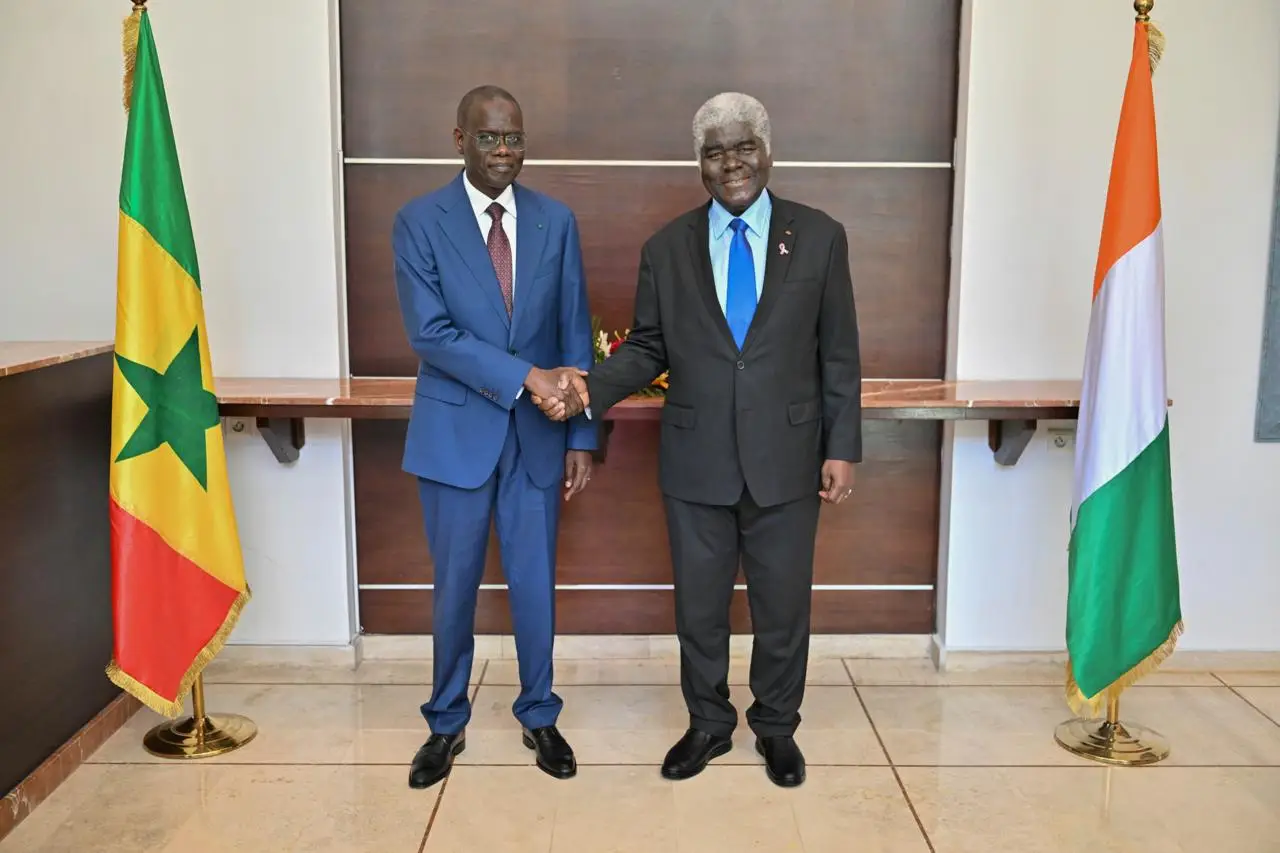
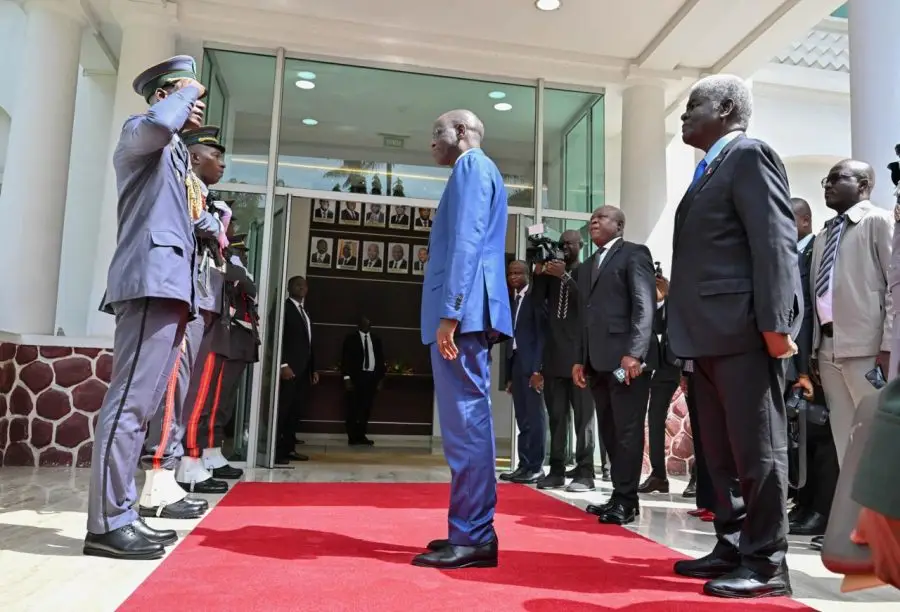
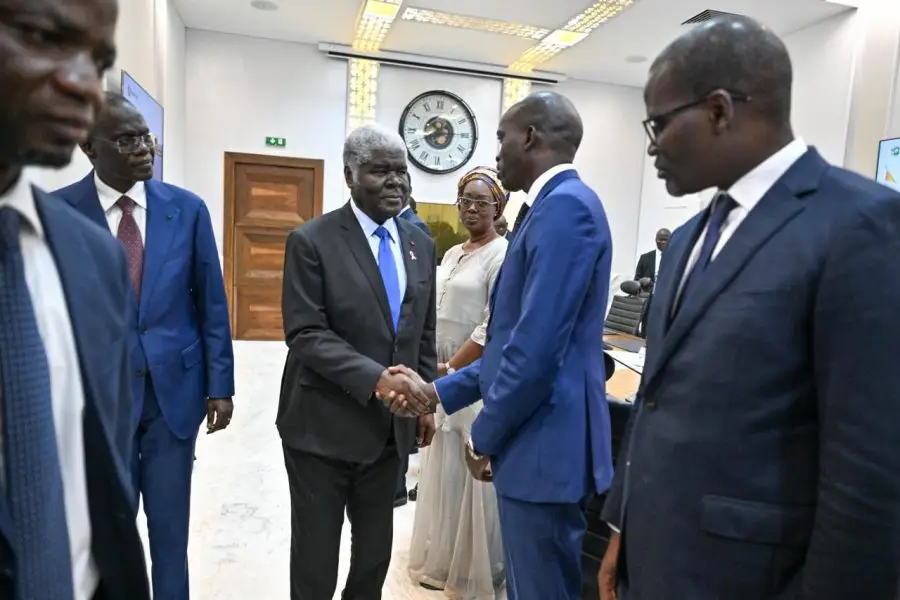
The working visit of the Senegalese Prime Minister, Ahmadou Alhaminou Lô, to Ivory Coast reflects the desire of the two countries to give new impetus to their partnership.
Beyond the strength of historical ties, Dakar and Abidjan intend to strengthen the monitoring of their commitments and favor cooperation whose benefits are directly perceptible by the populations.
A historical axis to consolidate
Senegal and Ivory Coast want to take a new step in their bilateral relations. The working visit of Prime Minister Ahmadou Alhaminou Lô is part of this desire to consolidate the Dakar-Abidjan axis, driven by a common history, close human ties and a long tradition of cooperation.
Inherited from the founding fathers of the two States, this relationship has been maintained over the years thanks to exchanges between families, students, entrepreneurs and cultural actors. In both countries, the other is often considered a second homeland, as the Senegalese communities in Côte d’Ivoire and the Ivorian communities in Senegal are integrated into social and economic dynamics.
The meeting between the two heads of government was also marked by a gesture of solidarity. The Ivorian Prime Minister welcomed his Senegalese counterpart, while expressing his compassion following the floods in Senegal. This attention recalls the human dimension of the relationship between the two countries, beyond agreements and institutional mechanisms.
The exchanges also made it possible to reaffirm the importance of political dialogue, maintained by contacts between the authorities of the two States, ministerial exchanges and French-speaking parliamentary initiatives. The greetings transmitted by Presidents Bassirou Diomaye Faye and Alassane Ouattara are part of this diplomatic continuity.
For Dakar as for Abidjan, the challenge now consists of preserving this achievement while adapting the partnership to current economic, social and security challenges.
Around fifty agreements to be made more operational
The two countries have a significant conventional heritage, made up of around fifty agreements and cooperation mechanisms. But the existence of these instruments alone is not enough to guarantee concrete progress.
Some agreements, which have become old, may require updating to take into account new priorities. The two governments thus wish to strengthen the operationalization of commitments and improve the monitoring of bilateral files.
The envisaged approach is based on better organization of work between administrations. The proposals made in the different sectors should be identified, prioritized and then translated into an action plan specifying priorities, institutional responsibilities, deadlines and expected results.
The establishment of a joint monitoring system, complementary to the mechanisms of the Joint Commission, is among the avenues mentioned. The objective would be to maintain the dynamic of cooperation between two sessions of this body, without waiting for a new meeting to move forward on the files.
This method should make it possible to better identify blockages, to hold the structures concerned accountable and to evaluate progress. The challenge is to move from essentially institutional cooperation to a more action-oriented partnership.
Measuring cooperation by its effects on populations
Beyond the functioning of the institutions, Dakar and Abidjan want to place their cooperation in a logic of results. Bilateral commitments are expected to produce tangible effects in the daily lives of citizens, whether in terms of employment, investment, training or access to services.
This orientation requires closer coordination between ministries, technical administrations and economic players. It also requires regular monitoring of projects, in order to distinguish announcements from initiatives actually implemented.
The desire to strengthen trade, cross-investments and sectoral partnerships is part of this ambition. Cooperation must no longer be assessed only by the number of agreements signed, but also by its capacity to bring about projects, create value and bring the economies of the two countries closer together.
In this perspective, the visit of the Senegalese Prime Minister constitutes a step in the relaunch of the bilateral relationship. The invitation addressed to his Ivorian counterpart for an official visit to Dakar, planned for early 2027, could offer a new opportunity to assess progress and specify next priorities.
The Senegalese-Ivorian relationship has solid historical and human assets. The challenge now is to convert them into measurable results, through better planned, monitored and evaluated cooperation.
By Cheikh Gora DIOP
