
Sen Mixmaster: an African platform for accessibility and sound quality
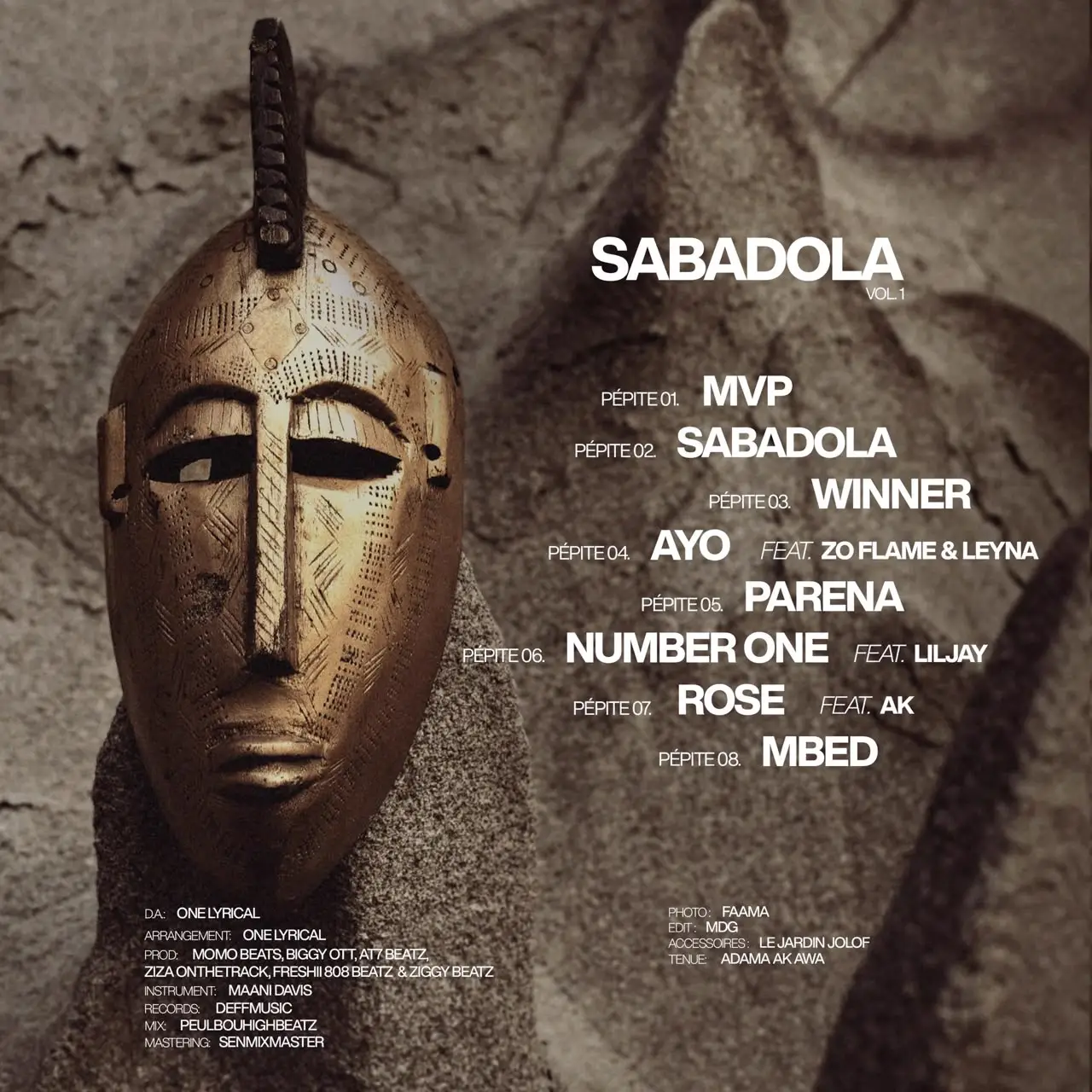
The Sen Mixmaster platform, presented as the very first audio mastering and optimization solution in Africa, was officially launched in Dakar. The event was also marked by a private listening session of the rapper’s upcoming project One Lyrical, titled “Sabadola.”
Officially launched on Tuesday October 20 in Dakar, the Sen Mixmaster platform was developed to democratize access to high quality sound, in a context where studio prices often remain prohibitive for a large proportion of African artists.
The application relies on open source models and calibrated audio frequencies. It offers sound improvement without using generative Artificial Intelligence (AI) or exploiting user songs, which are deleted after processing to guarantee their confidentiality.
Chosen as an ambassador for the platform for his commitment and talent, the artist One Lyrical is inaugurating this partnership as the release of his project approaches. For Boubacar Djiba, founder and general manager (CEO) of Sen Mixmaster, the ambition is to “support this generation which does very good things, which produces, but which does not necessarily have access to quality tools”.
The start-up thus aims to “connect Africa and be able to launch the application throughout Africa, continue to promote talents like One Lyrical and allow this generation to say that we come from Senegal, but that we have a global objective”.
Asked about the place of new technologies, the rapper estimated that with the evolution of the sector, “artists are forced to work with artificial intelligence (AI)”. Dismissing concerns related to this technology, he specifies: “AI cannot replace artistic creation. It accompanies and facilitates a lot of things. It’s a kind of collaboration since it’s us who create prompts to say that we want this or that. »
For a release scheduled for October 23, the first volume of the Ep “Sabadola” includes eight tracks, including three collaborations (featurings). On an artistic level, the project mixes rap codes with local influences. “It’s rap, but there are mbalax rhythms, not too much, but there are just transition parts. It’s important because it’s our culture. The tom-tom and all that, it’s part of our culture,” said the artist.
Fatou NGOM (Intern)
