
National program for universal access to electricity: Aser connects 15 villages between Kolda and Sédhiou
The Senegalese Rural Electrification Agency (Aser) carried out, on August 20 and 21, 2026, the commissioning of electricity in 15 localities in the Sédhiou and Kolda regions. According to a press release, this program is part of a project financed by the West African Development Bank (Boad) for an amount of 10 billion FCFA.
A tour led the director general of the Senegalese Rural Electrification Agency (Aser), Jean-Michel Sène, and a delegation to different villages in the regions of Kolda and Sédhiou. According to a press release, this journey, which took place on August 21 and 22, 2026, made it possible to connect 15 villages between the regions of Kolda and Sédhiou.
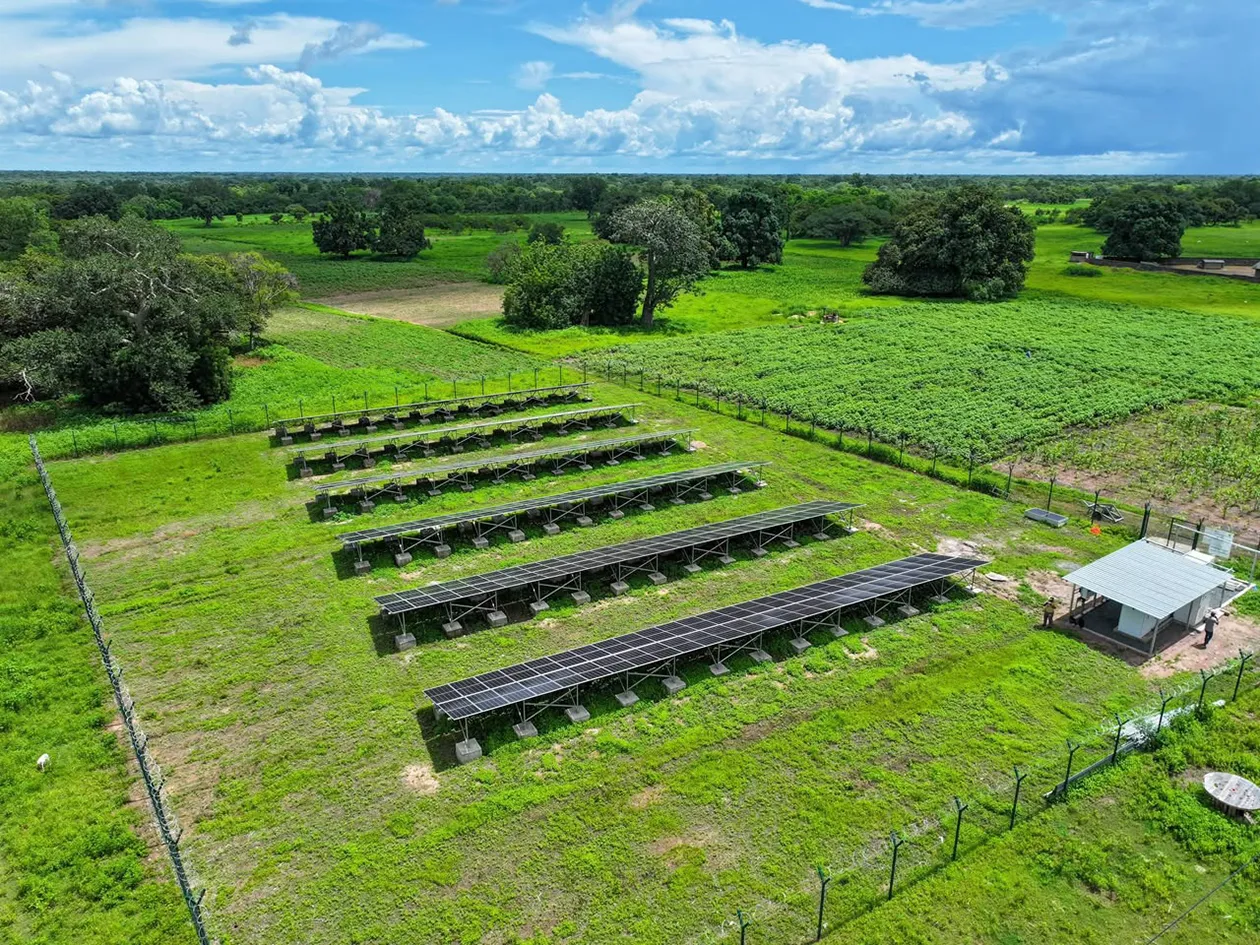
It is part of the National Program for Universal Access to Electricity set by the government for 2029, in terms of territorial equity. The project, financed by the West African Development Bank (Boad) for 10 billion FCFA, provides, according to the note, for the electrification of 63 villages by mini photovoltaic solar power plants.
The use of these clean energies is in addition to other instruments deployed by Aser in recent years, including “extensions of the interconnected network, solar mini-networks, technical and financial partnerships, to reduce the energy divide between urban areas and the most isolated rural territories”, informs the press release.
Also read: Aser-AEE Power affair: the financial prosecutor’s office opens a judicial investigation
Among the localities connected is “Dialadiang, in the commune of Paroumba, department of Vélingara. Located in the border area with the Republic of Guinea and Guinea-Bissau, this village of more than 2,200 inhabitants now has a solar power plant with a power of 185 kWp,” the document explains.
The electrification of Dialadiang, which houses an elementary school, a middle school, a health post and several decentralized state services (border police, customs brigade, military cantonment), will make it possible to improve the operating conditions of these public infrastructures and support local economic activities, especially agricultural and commercial.
During the commissioning ceremonies, local authorities welcomed a turning point for the populations concerned. They insisted on the expected impact of electrification on the quality of health and education services, as well as on the development of income-generating activities. Aser intends to “continue, in the coming months, the deployment of the two other lots of the Boad project with a view to electrifying all of the 63 targeted villages”.
Amadou Maguette NDAW
