
Mobility: The “Urban Skills” project, a gateway to new professions
Presented to young people in the Ziguinchor region, the “Urban Skills” program aims to open up new professional prospects in a booming sector. Co-financed by the European Union and German cooperation, this initiative focuses on qualifying training and support towards sustainable employment.
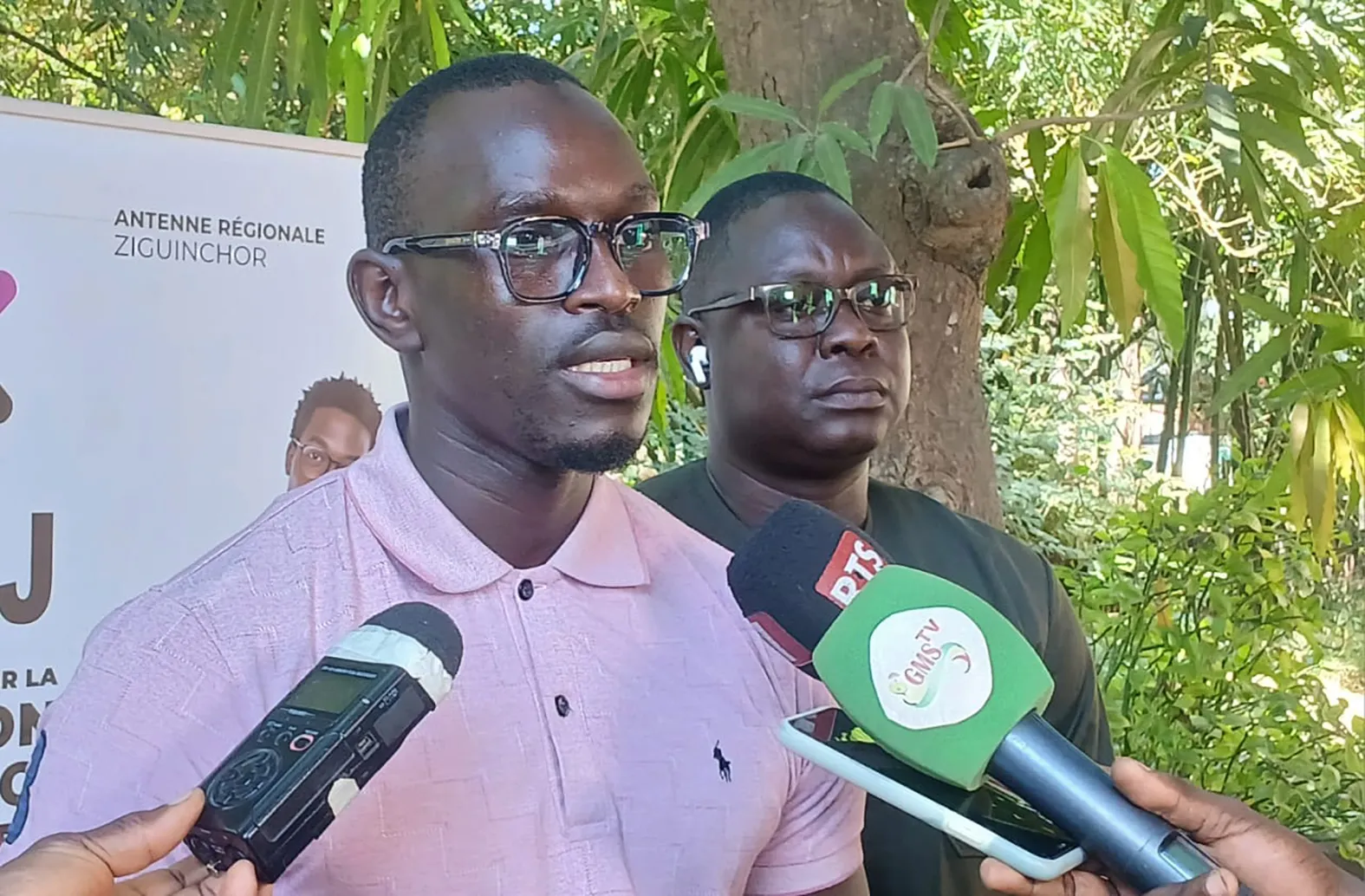
ZIGUINCHOR – Faced with the emergence of new professions linked to sustainable urban mobility, young Senegalese now have new training and professional integration opportunities. This is the ambition of the “Urban Skills” project, presented in Ziguinchor as part of an awareness campaign aimed at informing young people in Casamance about the opportunities offered by this initiative. “Urban Skills is a project co-financed by the European Union and German Cooperation. It aims to create the necessary conditions to train young people and facilitate their integration into the sustainable urban mobility sector,” explained Lamine Thiam, project manager. Its implementation is based on a partnership with several structures, notably the National Agency for the Promotion of Youth Employment (Anpej), Isep of Thiès and the Executive Council for Sustainable Urban Transport (Cetud). The system offers six-month training at Isep in Thiès, including three months of face-to-face learning, two months of in-company internship and one month dedicated to certification. Ultimately, the beneficiaries will be supported by the project partners to facilitate their professional integration and enable them to access sustainable employment. More than ten professions are covered by these training courses. These include technicians in the installation and maintenance of charging stations, specialists in the maintenance of electric vehicles and catenary technicians. “We train young people in more than ten professions, some of which are still little known in Senegal. These are new professions, directly linked to developments in the sustainable urban mobility sector,” underlined Lamine Thiam. Through the meetings organized in Ziguinchor, the project intends to give young people from the fourteen regions of Senegal the same chances of accessing these opportunities. Recruitment is, in fact, carried out on a national scale, without distinction of region, in order to allow as many people as possible to benefit from this training which offers employment prospects.
