
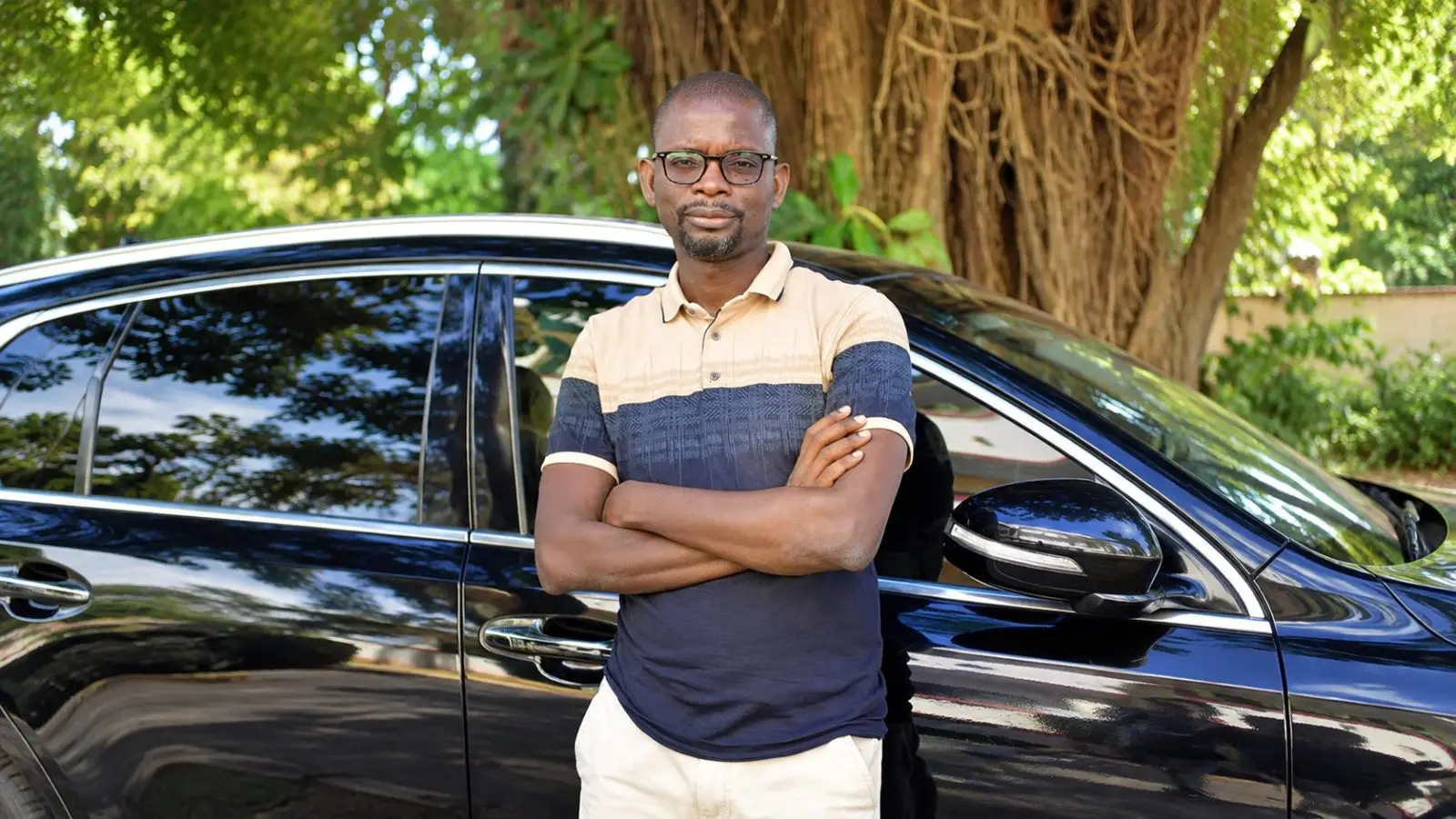
Literary return to school: Samba Oumar Fall hits hard with three novels
In quick succession, the writer Samba Oumar Fall announces the upcoming publication of three novels: The silence of impotence, 100 hopes and God is not Senegalese. Three very different books, which have in common exile, illness and the question of what we carry in silence.
Samba Oumar Fall is making a literary comeback with three titles. The three novels will be published in 2026 by Edisal, and each explores in its own way the trials that separate people: illness, migration, fear of others.
The silence of powerlessness: a novel of mother, exile and return
After twenty years spent in France, Salimata Fall returns to Senegal, the land of her origins. It was there that she learned that she had incurable cancer. Her two children live far from her: Raby, a lawyer in Paris, and Doudou, based in Montreal. Salimata decides to hide the truth from them, out of modesty, out of love and out of fear of seeing them suffer.
In this silence an unexpected companion settles in: Cancer himself, a character in his own right that only Salimata sees. He sits opposite her and converses with her in spare, almost philosophical dialogues about life, death and the time that remains.
The novel appears on the occasion of Pink October. Samba Oumar Fall has decided to donate all of his royalties to the Senegalese League Against Cancer (LISCA). “Ensure that each copy sold becomes, however modestly, a gesture of solidarity towards those who are facing cancer,” he explains. He dedicates the book “to all the women who are going through or have gone through this ordeal”.
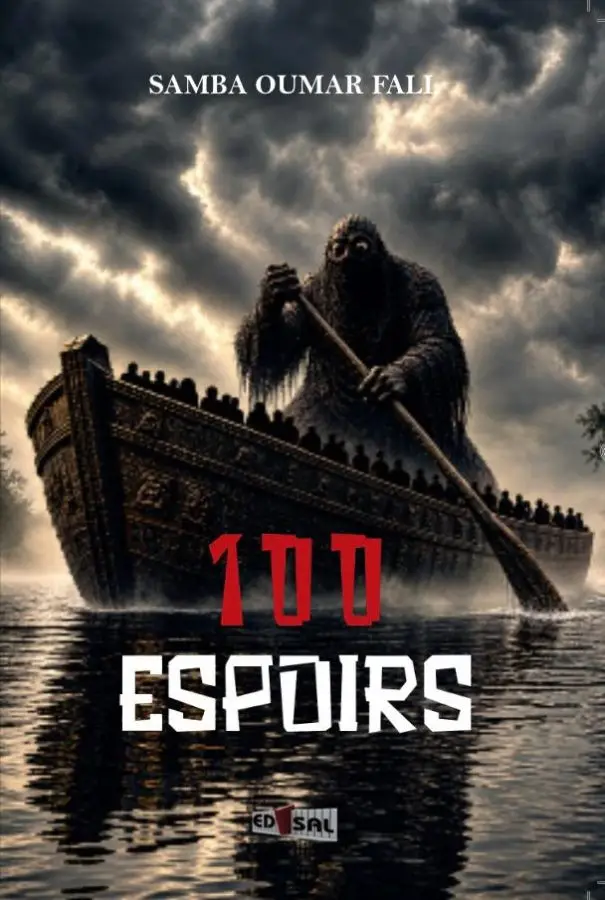
100 hopes: migration in fantasy
Every 333 years, a ship emerges from the darkness: the Lightning. To embark, 2,020 fighters confront each other on a beach, and only one hundred survivors are elected for a crossing to a Promised Land. A masked rider tells them the rule: only thirty-three will reach the other bank. At the helm, the Ferryman, an immortal ferryman with a heart of stone, guides the ship through a labyrinth of eighteen doors, a city where one dies for one glance too many, enchanted cities and the kingdom of shadows.
Among the chosen ones, Aljana, a karateka consumed by revenge, Rahma, pregnant and fleeing infamy, Dieuwrigne, blind from birth, and AmulYaakar, whose Wolof first name means “without hope”. Between fantasy, mythology and survival story, the book is intended to be an allegory of migration: “migration told differently”.
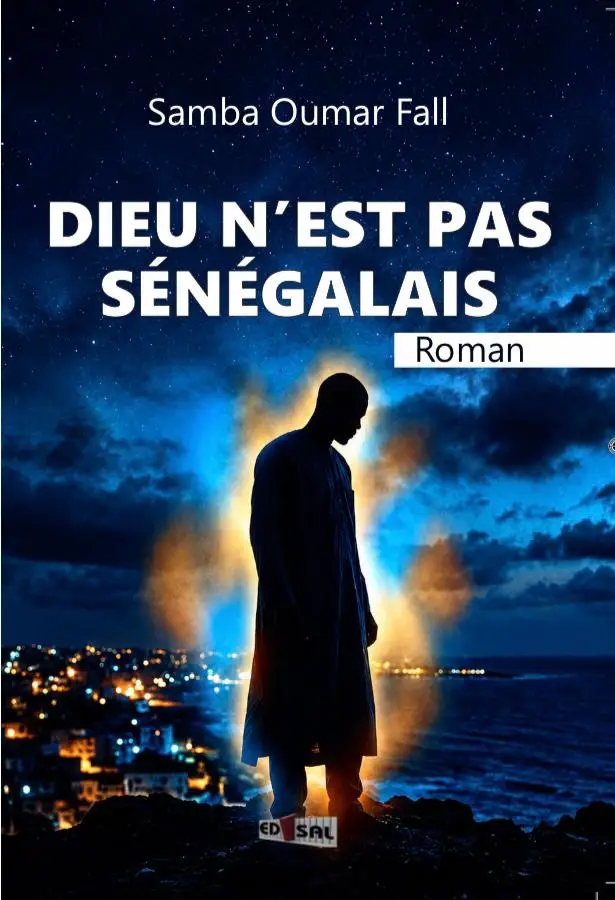
God is not Senegalese: between nightmare and reality
Makhou Sarr, 52, arrived in Italy in April 2000. He experienced nine years of precariousness before being regularized, started a family with Léna, then returned to Senegal to launch his business. When a virus hits northern Italy, he rushes out of the country and spends twenty-eight days in hospital quarantine. A dying old imam, Elimane Sarr, told him a sentence that would never leave him: “God is not Senegalese. »
When he came out, the country changed. The markets are deserted, hunger pushes families to revolt, and Léna, remaining in Bergamo, no longer responds. Then a video reveals that she was kidnapped in Libya. Makhou goes to look for her to the jails of Benghazi.
The novel addresses the pandemic, Senegalese fatalism, exile, faith and human responsibility. The title, the press kit explains, does not attack faith: it invites reflection. The book leaves a message, that God is universal and that no nation has a monopoly on God, misfortune or suffering.
OBN
