
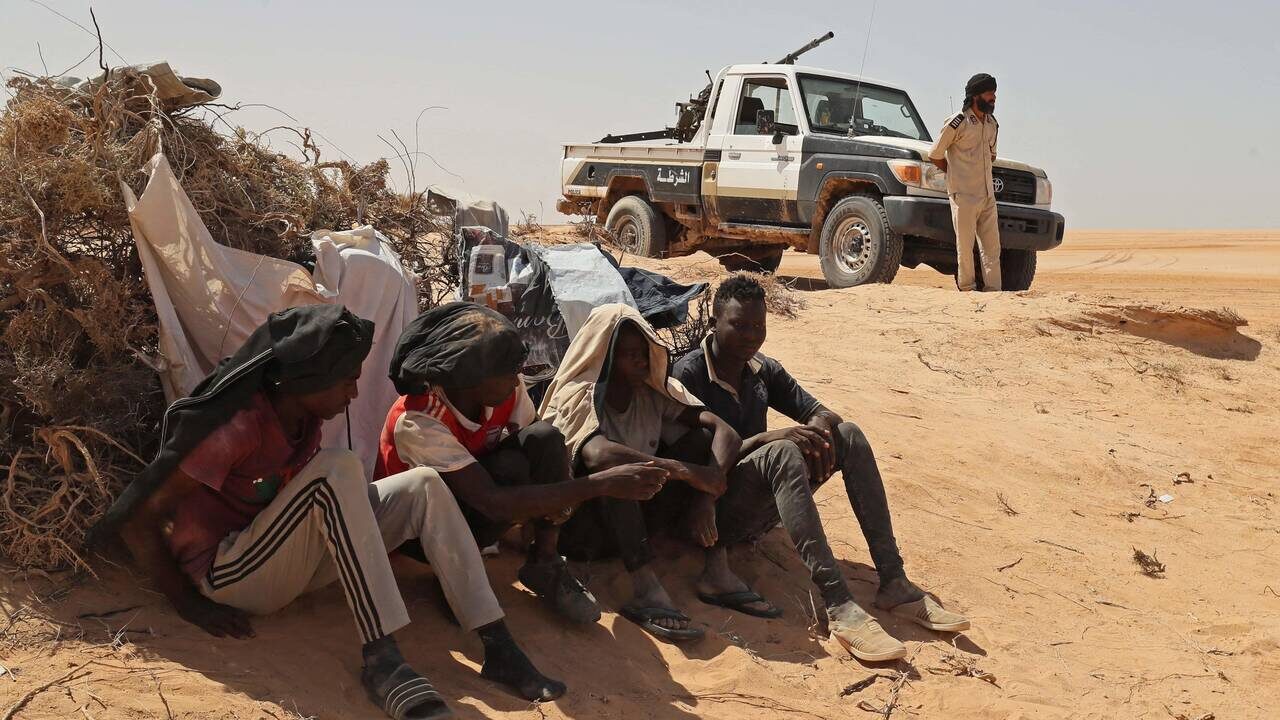
Irregular migration: ECOWAS Parliament calls for strengthening the reintegration of returning migrants
The Parliament of the Economic Community of West African States (ECOWAS) recommends strengthening mechanisms for the reintegration of returning migrants and the care of victims of human trafficking. In particular, it recommends combining professional training, psychosocial support, access to financing and integration into the labor market.
This recommendation, according to the APS, was formulated Thursday in Accra, through a resolution adopted following the examination of the report of a parliamentary interaction mission with citizens carried out in Senegal from July 13 to 17, 2026 by the Senegalese delegation of the Community Parliament.
Presented in plenary session by Senegalese MP Fatou Ba, the report highlights the difficulties returned migrants face, including unemployment, financial insecurity, stigma and obstacles to their social and economic reintegration.
Faced with this situation, the Community Parliament invites Member States to develop programs combining professional training, psychosocial support, support for entrepreneurship and access to financing means.
Particular attention is also given to victims of human trafficking. The resolution calls for strengthening protection and assistance mechanisms, while improving the care of victims, the fight against their stigmatization and the prosecution of the perpetrators of these offenses.
Beyond reintegration, ECOWAS parliamentarians advocate national strategies capable of tackling the economic and social factors that favor irregular migration. The creation of sustainable jobs, the promotion of entrepreneurship, social protection and the economic empowerment of young people and women are among the main avenues put forward.
The Community Parliament also encourages the development of technical education and vocational training in sectors with high potential, notably fishing, agriculture, tourism, the digital economy, the green economy and the creative industries.
In coastal areas, the resolution highlights the need for sustainable management of fisheries resources and a strengthening of the fight against illegal, undeclared and unregulated fishing. These measures should help reduce the economic pressures that push some communities to consider irregular migration.
National parliaments are also invited to strengthen their control over the implementation of public policies relating to migration, the fight against human trafficking and youth employment. They are also called upon to advocate for budgetary resources commensurate with these challenges.
The ECOWAS Commission is, for its part, encouraged to improve the coordination of regional initiatives and strengthen awareness campaigns as well as programs in favor of youth employment, entrepreneurship and skills development.
Finally, the Community Parliament wishes to make interactions with citizens a regular mechanism for dialogue on issues of regional interest. It calls for continued efforts towards a coordinated response to the root causes of irregular migration and better protection of migrants and victims of trafficking.
