
Fight against FGM: actors rely on follow-up after declarations of abandonment
In Sédhiou, the fight against female genital mutilation (FGM) is far from over. The second region of Senegal most affected by this phenomenon with a strong socio-cultural dimension, Sédhiou sees community actors, state services and civil society organizations multiplying initiatives to consolidate achievements and prevent any recurrence.
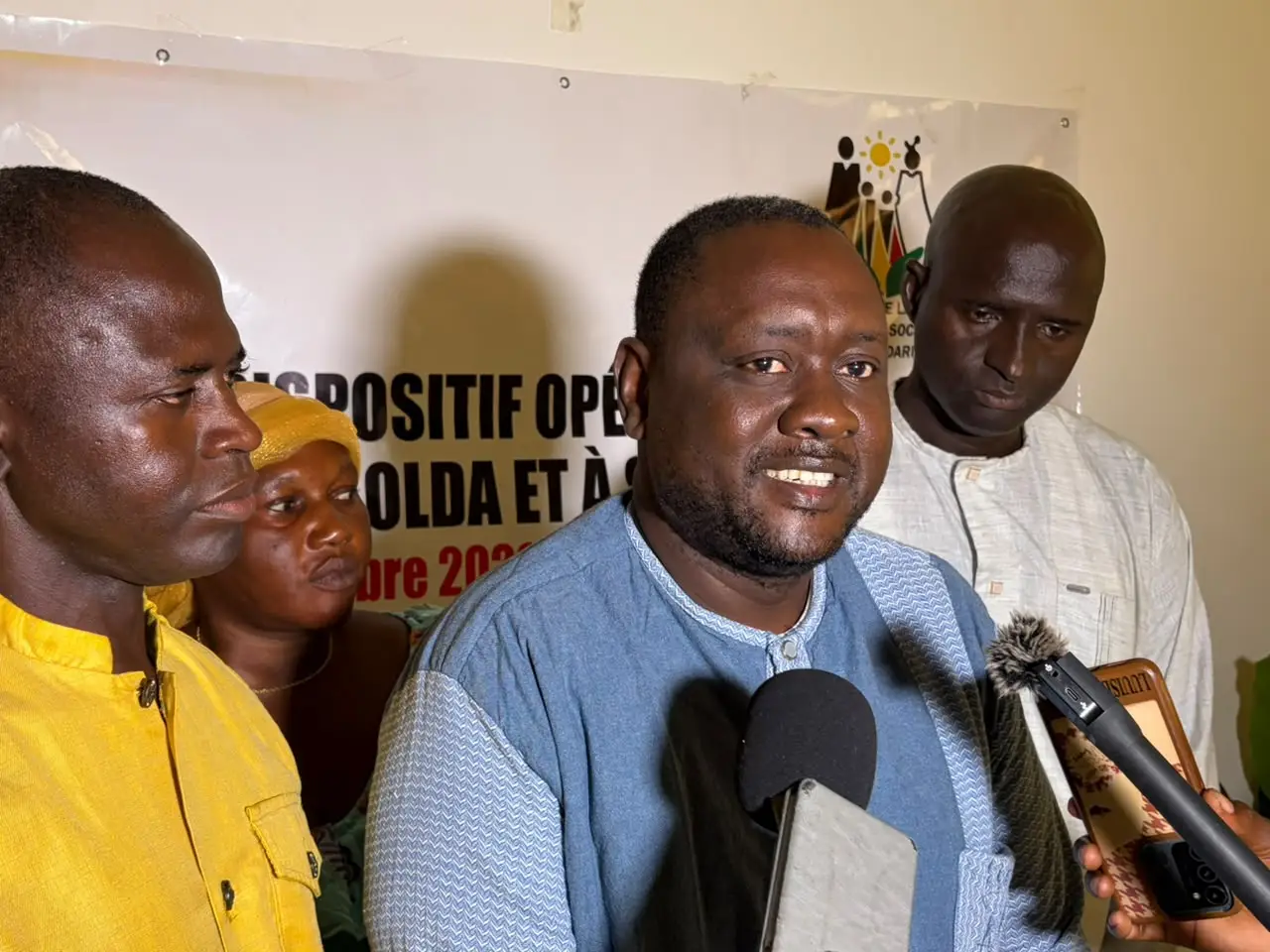
Sédhiou – Community actors and state structures engaged in the fight against FGM met on Wednesday in Sédhiou for two days of reflection devoted to follow-up mechanisms after public declarations of abandonment. A step considered decisive in ensuring the sustainability of the commitments made by the communities.
According to Mamadou Ndoye, focal point for the fight against female genital mutilation at the Ministry of Family, Social Action and Solidarity, the public declaration of abandonment should not be considered as the culmination of the process. “It was important to follow up, since the public declaration is seen as a step in the fight to end female genital mutilation,” he explained.
Diredji and Sansamba are among the last localities to have made a public declaration of abandonment of FGM. Now, state services, communities and non-governmental organizations, notably Tostan, are working to consolidate these commitments and prevent possible cases of resumption of the practice.
Senegal has already implemented three national action plans dedicated to the abandonment of female genital mutilation. The first, covering the period 2000-2005, was the subject of an evaluation. “We said that we must capitalize on the achievements around human rights. We have a second plan which has ended,” recalled Mamadou Ndoye.
The third plan, currently being implemented, places an important place on the accountability of the various stakeholders. It is part of a multisectoral approach intended to strengthen actions in favor of the abandonment of FGM and to contribute to the achievement of the Sustainable Development Goals (SDGs) by 2030.
Despite a downward trend, prevalence remains high in the Sédhiou region, which still ranks second nationally. Girls aged 0 to 15 remain particularly exposed. “Girls aged 0 to 15 are the main victims,” underlined the focal point.
Aware that abandoning a practice deeply rooted in certain social norms requires time, the actors intend to involve young people and women more in this dynamic. The latter, often considered as custodians of tradition, are called upon to play an increased role in raising community awareness and consolidating behavioral changes.
In Sédhiou, the challenge now is to transform declarations of abandonment into lasting commitments, through regular monitoring of communities and continued mobilization of all stakeholders.
