
Ecosystem preservation: 147 hectares of mangrove restored to protect coastal communities
Climate change, the decline of natural resources and the fragility of fishing activities threaten the populations of coastal areas of Senegal. Faced with these challenges, the Feminist Climate Action in West Africa (ACF-AO) project enabled the restoration of 147 hectares of mangrove and strengthened the livelihoods of thousands of women and young people.
ZIGUINCHOR – The mangrove is gradually regaining its rights in certain areas of Casamance and Palmarin, in the Fatick region. Behind these 147 restored hectares, there is a vital issue which aims to protect the coasts, preserve natural resources and help communities better cope with the effects of climate change.
Launched in March 2023 in Palmarin and funded by Global Affairs Canada, through the Climate Partnership, the ACF-AO project reached nearly 30,000 beneficiaries, mainly women and young people from the regions of Ziguinchor, Kolda, Sédhiou and Fatick.
It also supported 48 women’s groups, promoted the production of 50 tonnes of salt and trained more than 100 women and young people in the production of organic salt, etc. Modern beekeeping and oyster farming are also among the activities developed.
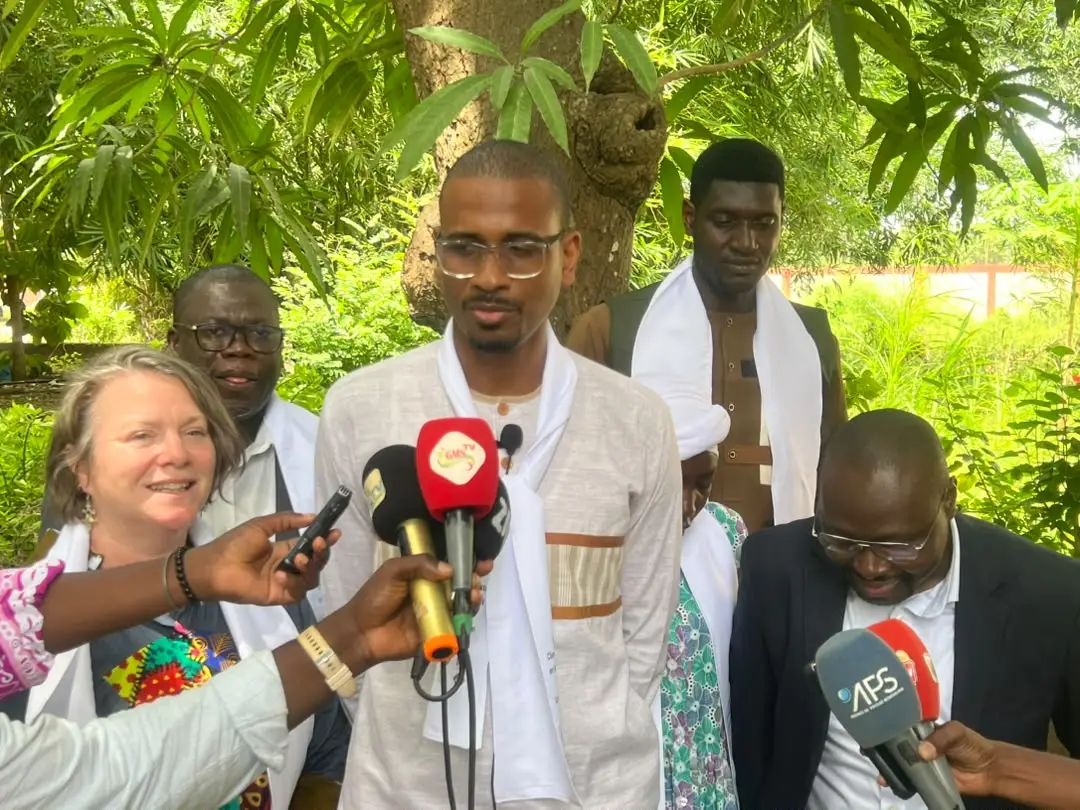
Presiding over the official closing ceremony of the said program, Tuesday October 13, on behalf of the governor of Ziguinchor, Mor Talla Tine, the prefect of Bignona, Mamadou Khouma, welcomed the results obtained on the ground.
“This project was a real opportunity for communities and local authorities. We have noted its effective presence among the populations. Even if it ends, communities must continue to benefit from its benefits,” he said.
Results for the benefit of populations
Beyond ecosystem restoration, the initiative also focused on environmental education. At Kafountine high school, in the Bignona department, students were made aware of nature protection. “Thanks to this project, many learners have been introduced to environmental education. It’s an excellent thing for them,” testified Ibou Sène, professor at this establishment.
Speaking on behalf of the Consortium of Partners, Mamadou Abdoulaye Sow, manager at Enda Pronat, highlighted the involvement of women and young people which, according to him, was essential in the face of the advanced degradation of natural resources.
“We have carried out reforestation activities to restore coastal ecosystems. The project also promoted the participation of women and young people in decision-making bodies, in order to improve governance and strengthen climate justice,” he explained.
Also read: Critical minerals: Ziguinchor at the heart of the battle for zircon and the energy transition
In the field, beneficiaries also measure changes in their daily activities. “We learned how to produce onions, oysters and organic fertilizer. We also know how to collect and treat our waste, whereas previously we lacked the technical means to do so,” rejoiced Dieynaba Diatta, beneficiary and resident of Carabane Island, in the Oussouye department.
Led by Inter Pares, SUCO and their Senegalese partners, including Enda Pronat, JVE Senegal, CNCR and APISEN, the Feminist Climate Action in West Africa project contributed to strengthening the autonomy of women, promoting agroecology and improving the adaptive capacities of coastal communities. An important achievement for populations whose activities and income remain highly exposed to climatic upheavals.
