
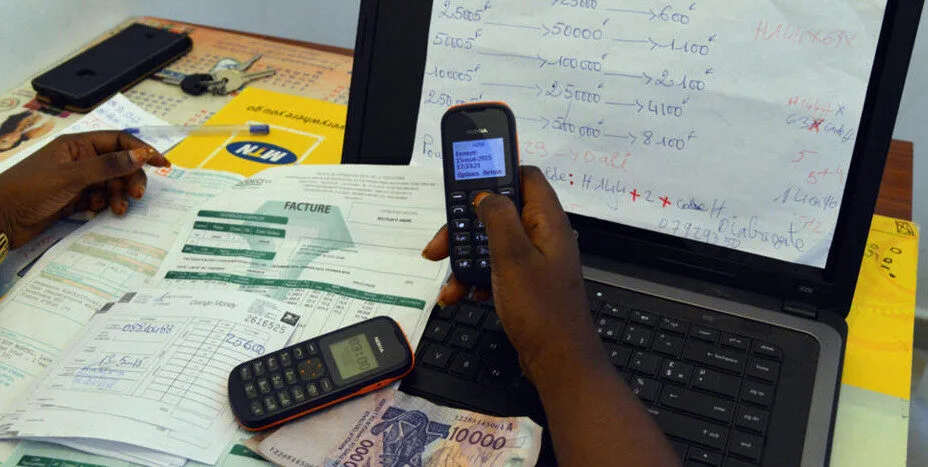
Mobile Money scam: the National Police sound the alarm
A link received on WhatsApp, an application that promises a streaming match or a free film, and that’s an entire Mobile Money account that can be emptied in a few minutes. The Senegalese National Police are alerting the population to a vast scam campaign based on malware.
In a press release dated this Friday, October 9, 2026, the General Directorate of the National Police explains that fraudsters use “malicious applications or deceptive links” in order to “discreetly” steal the secret codes of users of mobile financial services.
The key word is “discreetly”. The victim doesn’t realize anything when they install the application or click on the link. The trap closes silently, and the theft is often discovered too late, when the balance is already zero.
A hijacked account, undetectable transfers
Once the codes are in their possession, the scammers take action. According to the Police, they “take control” of their victims’ Mobile Money accounts to carry out illicit, “undetectable” money transfers directly from the phones of the targeted people.
In a country where Mobile Money has become a daily reflex, to pay, send money to family or pay bills, the threat potentially concerns everyone, from market traders to students.
Three reflexes to adopt
Faced with this threat, the authorities are calling for “the greatest vigilance” and summarizing their recommendations in three simple instructions:
-Do not download any applications of dubious origin, especially those received via instant messaging or social networks;
-Do not click on any suspicious links, whether they talk about matches, movies or “easy wins”;
-Do not respond to this type of request.
Furthermore, the Police specify that these baits play on well-known motives: the passion for sport, free entertainment, the desire to earn money without effort. So, a message that seems too good to be true must, more than ever, arouse suspicion.
Ongoing investigations
The Police also seek to reassure. It indicates that “in-depth investigations” are currently being carried out by its competent services to “track down, identify and arrest” the perpetrators of these acts. The press release gives neither figures nor details of possible arrests.
If you think you may have installed a suspicious app or clicked on a questionable link, don’t delay: promptly report it to the authorities via the channels above. Also warn your loved ones, because these scams are often spread through contacts and discussion groups.
OBN
