
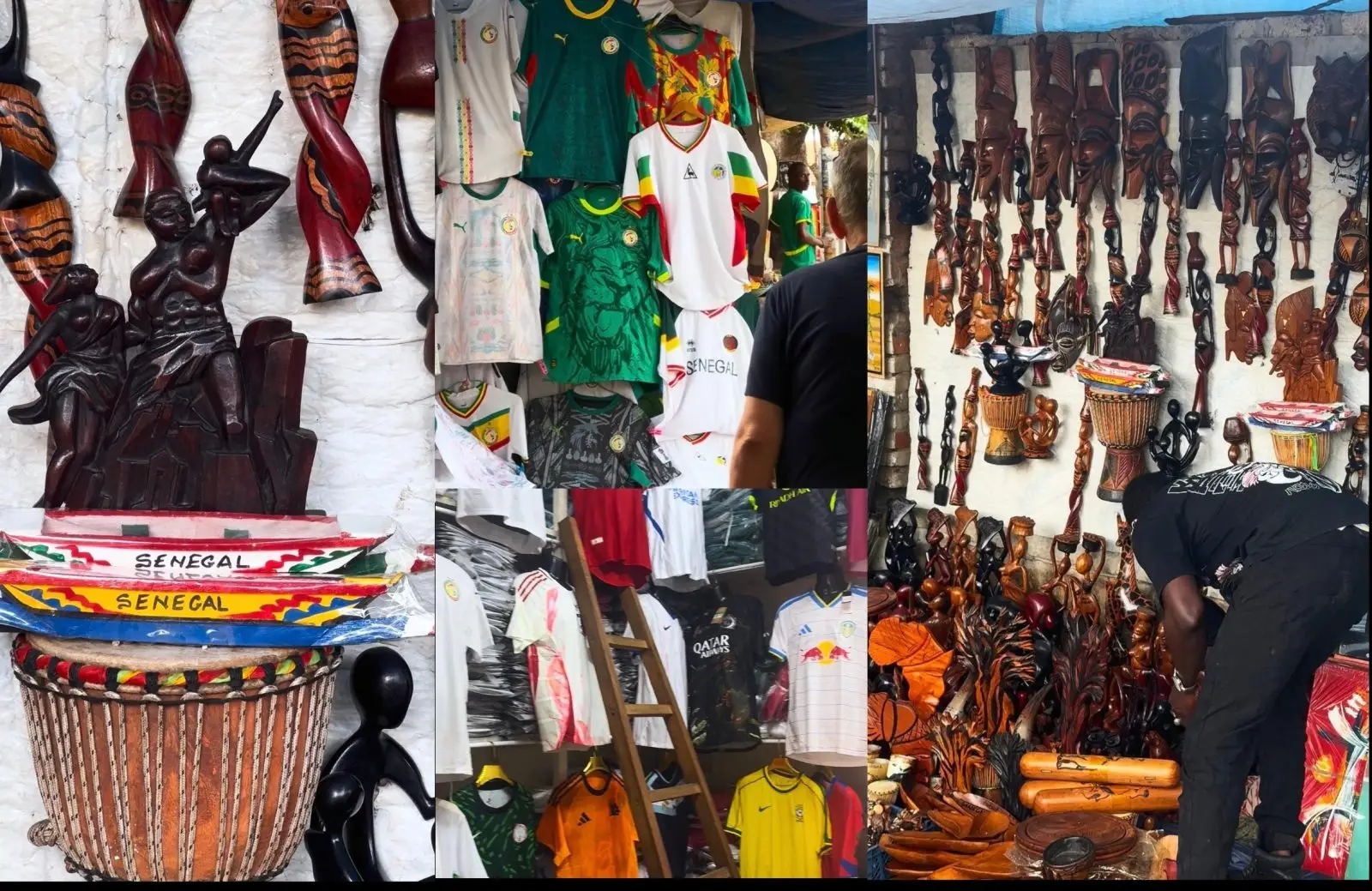
Dakar at the time of the YOG: in the heart of the Sandaga market, commerce sharpens its weapons
A few weeks before the start of the 2026 Youth Olympic Games (YOG Dakar 2026), fervor is already sweeping the aisles of the Sandaga market. From craft stalls to jersey stalls, Dakar merchants are adjusting their stocks and prices, determined to transform this historic event into an economic and cultural springboard.
As the start of the Youth Olympic Games (YOG Dakar 2026), scheduled for October 31 to November 13, 2026, approaches, the city center is gradually transforming. Abundant signage in the colors of the event takes over the main arteries, already infusing the excitement of this great sporting event.
Near one of the sites selected for the events, traders from the nerve center of the capital are busy seizing the opportunity of this international meeting. Aware of the major economic benefits to come, they adapt their offer to the demand of foreign delegations and visitors.
Among them, Abdoulaye, an art dealer, is refining his strategy:
“We are in full preparation. From now on, we no longer wait until stocks are completely exhausted to restock: each piece sold is immediately replaced,” confides the craftsman, a figure soberly dressed in black, while adjusting his glasses.
Calm about the management of his merchandise, he details his pricing positioning and the invoice for his works: “This painting costs 200,000 francs, the next costs 175,000 francs and the other 150,000 francs. (he points to the paintings in question) Prices vary depending on quality. And the quality depends in particular on the wood, the frames and the paint used. »
The swimsuit, star of the Sandaga stalls
At the heart of the Sandaga market, the ambient frenzy continues unabated. Saturated displays, overcrowded tables and street vendors make up the picture of a space in perpetual motion. From the first glance, one note dominates the decor: the sports jerseys, hung in store fronts or arranged along the facades, true centerpieces of the local economy.
Also read: Dakar Dem Dikk: line 7 of all anxieties
Unearthed in the middle of a lively gathering, Khali, a specialist trader, operates from a shop nestled in the back of a house. Wearing the tunic of a major European club, he is already anticipating a surge in his turnover.
“Senegal is preparing to welcome the world. Upon arrival, supporters will look for the colors of their respective nations. We have taken the lead by increasing orders to meet any demand,” he explains while unpacking jerseys still in their bags.
He is already seeing local enthusiasm:
“Currently, the Senegalese are starting to buy more Senegal jerseys. Maybe it’s linked to the approach of the YOG. They buy the jerseys as they did during the African Cup of Nations (CAN). »
Aware of the historical significance of these first YOGs on African soil, particularly in Senegal, Khalil intends to make the legendary Senegalese Teranga a commercial and relational argument: “We are now waiting for visitors. It is in particular for their arrival that we have increased our stocks of goods.”
Promote “Made in Senegal”
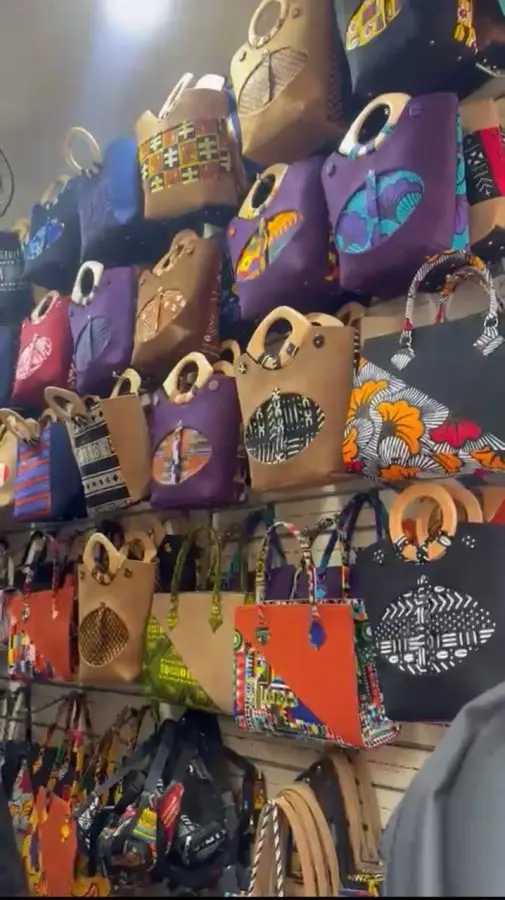
Beyond the sporting fervor, the competition asserts itself as a major cultural showcase. In the aisle of craft counters, Babacar displays his textile collection pieces. Her handcrafted bags, carefully lined up from inside the store to the front, immediately capture the eye.
“Our activity is usually focused on exporting to Europe or North America, particularly Canada and Belgium. With the YOG being held at home, we are redirecting our stocks to directly respond to demand from visitors on site,” he emphasizes.
Before concluding on the quality requirement that guides its work: “There is something for all budgets, but without any concession on the finishes: through our products, it is the image of Senegalese know-how that we export. »
Fatou NGOM (Intern)
