
Ziguinchor: a study reveals the extent of women’s vulnerabilities in return areas
The diagnostic study carried out among 176 women and girls community leaders in ten returning villages of Oussouye and Ziguinchor revealed that gender-based violence (GBV), the feeling of insecurity and difficulties in accessing protection mechanisms persist in the return areas. While 50% of those questioned say they know of cases of violence, 59% say they do not know where to refer a survivor.
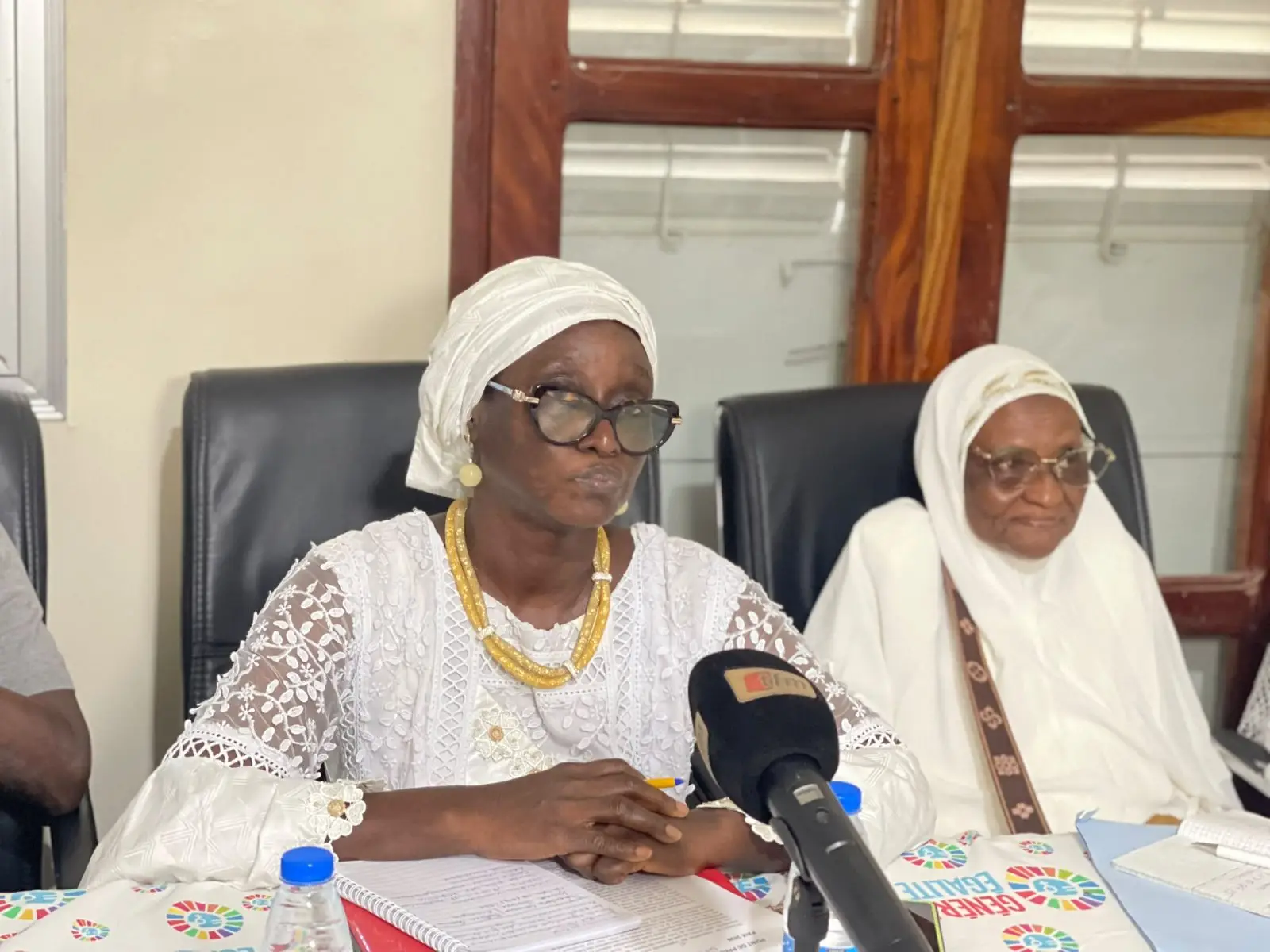
ZIGUINCHOR– On the occasion of the International Day of Peace, the Women’s Platform for Peace in Casamance (Pfpc) organized, this Monday, September 21, a press briefing devoted to the results of a diagnostic study on the needs of women and young girls in ten returning villages in the departments of Oussouye and Ziguinchor.
The figures paint a worrying picture. Of the 176 women and girls community leaders interviewed, half claim to have experienced cases of violence. Physical violence comes first with 34%, ahead of psychological (18%), economic (17%) and verbal (16%) violence. Even more worrying, the feeling of security remains fragile, with only 17.1% of those surveyed saying they feel safe.
The support system also appears insufficient. 59% of women and girls surveyed do not know which structure to refer a survivor of violence to, compared to 41% who say they know the referral mechanisms. When identified, the main avenues of recourse remain the gendarmerie (20%) and village chiefs (17%).
Also read: Fight against gender-based violence: Casamance closes ranks
For the PFPC, these vulnerabilities are explained by the disorganization of traditional protection mechanisms, but also by the difficulties linked to access and control of land. The return, supposed to symbolize a new step towards peace, thus exposes certain women to new forms of precariousness.
“On this day dedicated to strengthening the ideals of peace, we have a thought for all the people who disappeared in the conflict, but also for those who had to abandon their lands and their lives to flee the violence. The return represents for these communities a double uprooting: first the flight from the conflict, then the loss of the landmarks built in the places of reception which have become, over time, familiar,” declared Léonie Gomis, vice-president of the PFPC.
Added to this social fragility are tensions around land. Nouha Cissé, specialist in armed conflict in Casamance and member of the PFPC scientific commission, believes that the region is now entering a particularly delicate phase: that of return management.
“Today we are faced with the most complex phase: supporting returning displaced populations. In areas of return, questions of delimitation and land ownership resurface, after having been put on hold by the conflict. These land disputes are particularly difficult to resolve,” he explained. And women, who have long carried the voice of peace, remain among the first exposed to the consequences of this transition.
“In return areas, women face extremely difficult situations. However, they were at the forefront in demanding the laying down of arms and definitive peace in Casamance. Today, the efforts devoted to these return areas still remain largely insufficient,” added Nouha Cissé.
This mobilization of the PFPC comes at a time when the organization was distinguished, this September 21 in Spain, by the Catalan Institute for Peace (ICIP). A trophy which salutes her commitment to women’s rights, peace and the prevention of violence, as well as her contribution to “breaking the silence around war”.
