
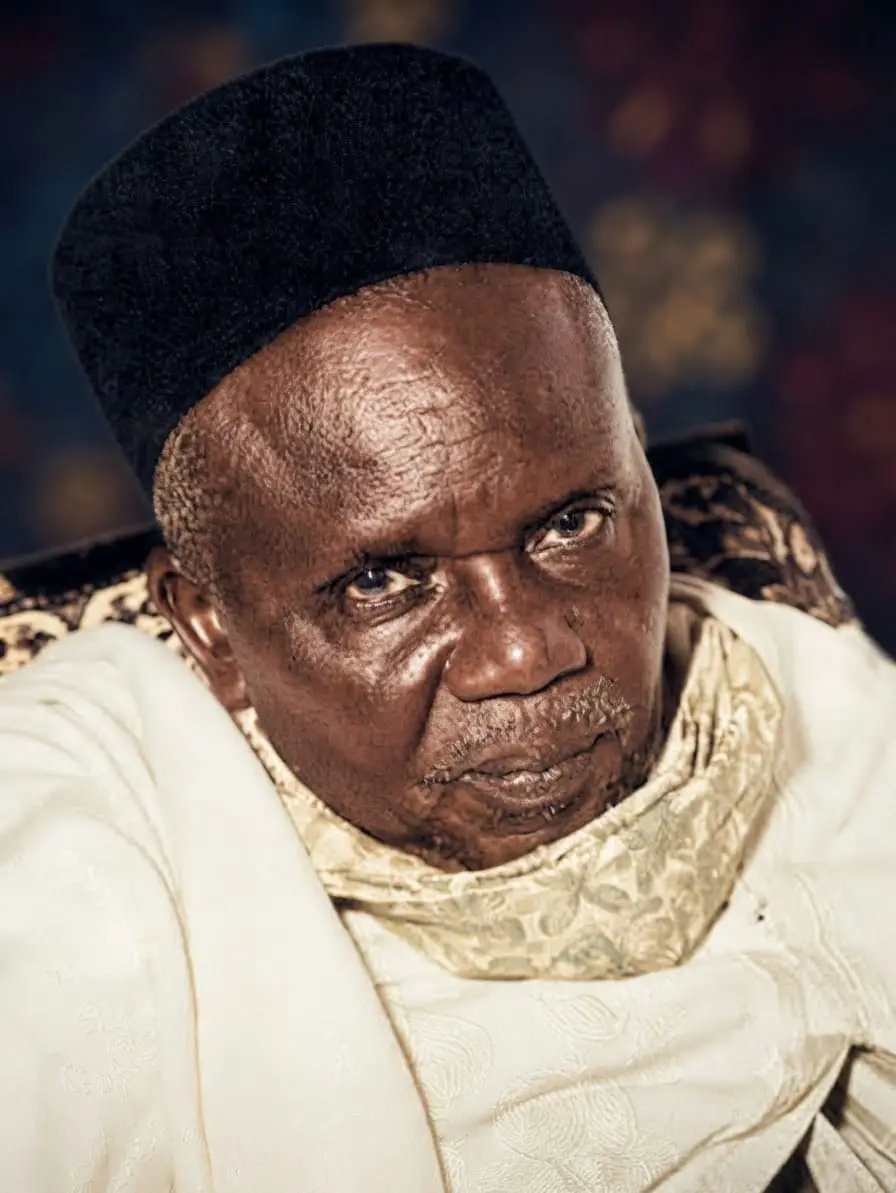
Good leaves I Dabakh, the pedagogy of kindness, by Sidy Diop (2/5: Serigne Babacar Sy, the absolute model) September 14, 2026
Between Serigne Babacar Sy and his half-brother, El Hadj Abdoul Aziz Sy Dabakh, an exceptional relationship was formed, made of deep respect, affection and devotion. Beyond blood ties, Dabakh saw his elder as his marabout and guide, to the point of adopting an attitude of rare humility towards him. Through scenes from family life and testimonies imbued with humanity, the second part of these good sheets of Dabakh, the pedagogy of kindness, the new book by journalist Sidy Diop, reveals the depth of this relationship and one of the sources of wisdom which marked the life of the future caliph general of the tidianes.
Serigne Babacar Sy, the absolute model
His relationship with his half-brother, El Hadj Abdoul Aziz Sy Dabakh, was marked by a mutual love and respect that commanded admiration. The latter one day declared: “On a scale, the love that I have towards Serigne Babacar would weigh a thousand times heavier than that which all the other Senegalese put together. »
Blood alone cannot explain their relationship, as it seems woven on an older loom, in the workshop of destinies. It went beyond simple fraternity to embrace the rarer and more precious form of spiritual filiation, where respect is tinged with veneration, and affection, with an almost sacred gentleness.
Abdou Aziz carried in his heart a respect for his elder which bordered on the sacred. An unfeigned, almost filial respect, which dictated the smallest of his postures. In the presence of Serigne Babacar, first Caliph of their father, Seydil Hadji Malick Sy, he never raised his eyes. His gaze, still lowered, seemed to draw its strength not from sight, but from an inner conviction, a joyful submission to an authority that he recognized as coming from elsewhere. He considered him unequivocally as his marabout, his guide on the steep path that leads to God.
It is said that one day, the Caliph called him. Abdou Aziz immediately went to the house and, with the patience of a Sufi, sat quietly in a corner, waiting for the call that would bring him into the sanctuary room. The hours passed. Serigne Babacar, absorbed in his devotions, passed him several times, going to the mosque for prayer, without a word, as if he had forgotten his own request. A less determined man would have given in to impatience, would have had himself announced. But Abdou Aziz remained motionless, silent. “It is not courteous for a disciple to knock on the door of his marabout,” he was to explain later, stating a principle of conduct which was obvious to him.
This deference could be read in the most concrete details of his existence. When he came to visit his brother, he wore modest clothes, avoiding the shine of scrubbed boubous which could have attracted attention. He never sat on Serigne Babacar’s bed, nor even, out of frank humility, inside her room without being expressly invited (…).
This devotion was not unidirectional. It was part of an affectionate dialogue that included the whole family. Serigne Babacar’s children, Serigne Mansour Sy and Serigne Cheikh, were so attached to their uncle that they clung to his clothes as soon as he appeared, like vines seeking solid support. One day, Serigne Babacar, observing this scene, asked them a teasing but meaningful question: “Who do you love most between your father Abdou Aziz and me? » The response, naive and sincere, came: “Dad, we love you very much, but Papa Abdou is also very nice. » The Caliph smiled. This smile was not one of amusement, but one of understanding. He saw in the affection of his own children for his brother proof of a goodness that could only be divine (…).
DIOP Sidy, Dabakh, the pedagogy of kindnessÉditions du Soleil, Dakar, 2026.
