
Cheikh DIBA: “Senegal’s debt treatment plan is not a restructuring”
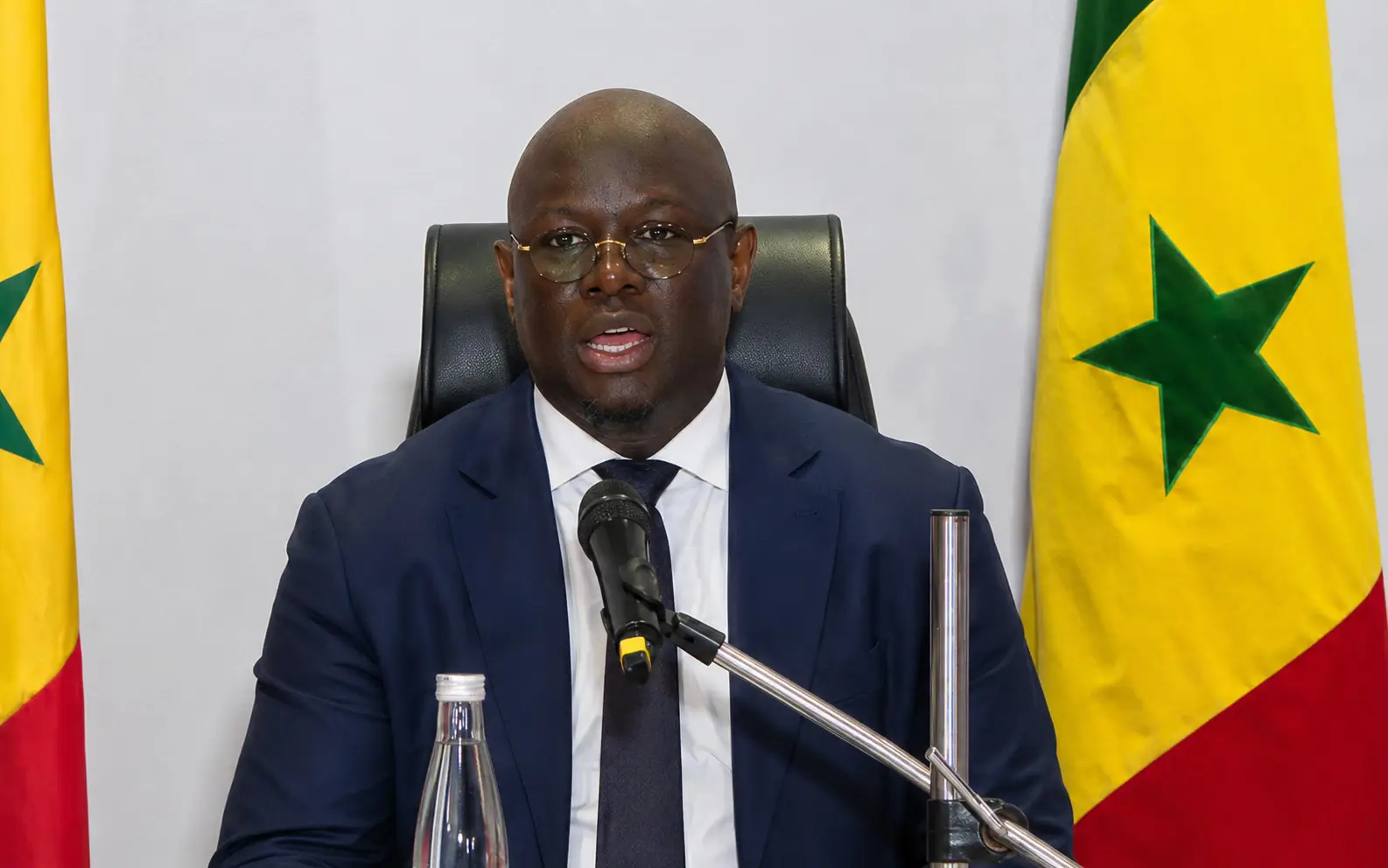
Senegal wants to deal with its debt without going through restructuring. This is, in essence, the message conveyed by the Minister of Economy, Finance and Planning, Cheikh Diba, during a press conference organized on the sidelines of the end of the mission of the International Monetary Fund (IMF) in Senegal.
The minister rejects the idea of a classic operation intended to reorganize the conditions for repaying the country’s loans. According to him, the system announced by the authorities is a different approach, designed specifically to respond to the Senegalese situation. “Senegal’s debt treatment plan is not a restructuring in the classic sense of the term,” he insisted.
The nuance is not just semantic. It refers, according to the minister, to the government’s desire to favor a solution adapted to the composition of the Senegalese debt rather than a standard mechanism likely to be applied to other countries. The system, he explains, is first and foremost a national initiative. “This is a plan that could not be applied in Ghana, Zambia, or Mozambique,” he stressed.
In other words, Dakar intends to defend a response that takes into account the nature of its debts, their composition and its relationships with its financial partners.
To explain this distinction, the minister chose a medical metaphor. The debt is the “sick one”, he explains, while traditional restructuring would constitute a surgical intervention. However, Senegal is looking for another route, comparable to a treatment administered in successive doses, in order to obtain a similar result without going through a major operation.
“We told ourselves that our patient, we do not want him to be operated on to leave any after-effects,” he explained. The government would thus favor a treatment likely to take more time, but which would avoid the consequences that it associates with a traditional restructuring.
This approach, however, requires gradual implementation. The minister assures that the different stages will be communicated regularly and that the process will take place transparently. The government thus intends to present this plan not as a disguised restructuring, but as a specific debt treatment mechanism.
Its success will depend, in the words of the minister, on the capacity of the State to implement the measures announced and to maintain the confidence of its partners. “There will be transparency, regular communications to provide the different stages of the implementation of this treatment plan,” promised the minister.
Pathé NIANG
