
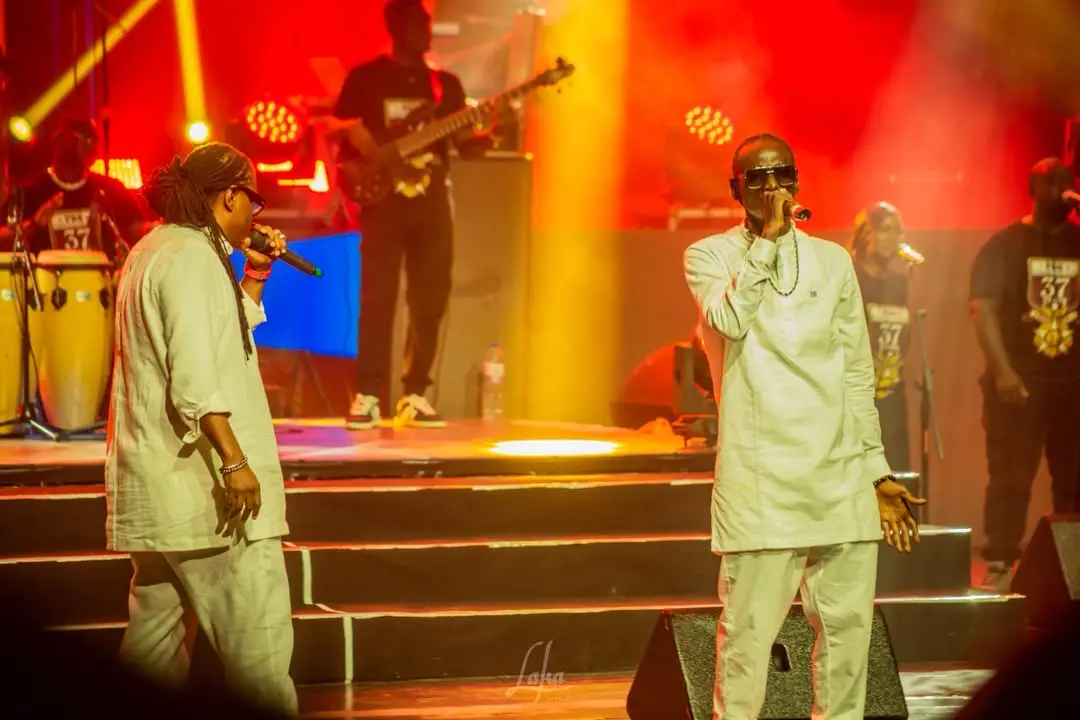
37th anniversary of PBS: Grandpas are resisting (By Moussa DIOP) August 9, 2026
In numerology, 37 is often associated with achievement through intelligence, creativity and intuition. In certain esoteric traditions, it even symbolizes a balance between the material world and the spiritual world. But this Saturday evening, at the Grand Théâtre, the 37 was nothing esoteric. He had a face, a history, a future built on a past of sounds. It was the time when Juke-Box International reigned supreme over Senegalese FM. The time of cassettes, compilations, broadcasts, hip-hop mornings in a hotel adjoining Independence Square. It was the time of discoveries, of the taste of others and of the groups which would soon write the first pages of Senegalese rap.
This 37th anniversary of Positive Black Soul (PBS) could therefore not begin other than with tributes. This generation of boomers of the 90s, the best decade of the 20th century, yes, it’s subjective, I claim it, had made an appointment. Same day, same time… same emotion. First, to the much missed DJ Makhtar, who left too soon, to the sound of Saf Niang, more inspired than ever at the helm. Then to the time that shapes destinies.
This meeting, 37 years after the beginnings of PBS, here we are. There is moussor, tagual, scarves, vintage cuts, heads shaved in a “black” style, even if they are increasingly gray over the years. “I dive into my memories to see my future,” said IAM in Bouge la tête. The noggins are ready to be shaken by an infernal beat, under the seal of an orchestra. It takes enough to keep an entire generation that refuses to age. In fact, when we get older, we are often offered cute little videos for symbolic birthdays, sort of flashbacks on a journey. The 37 years of PBS were no exception to the rule.
Press Club
A captivating short video opens the evening. Jump into the past to land on September 4, 1991. The film is in black and white, the decor is basic but aesthetic. It’s the Presse Club show, from ORTS. The presenter mentions “a curiosity”: young Senegalese who play rap, “this music from the United States”. The pretext is an article by journalist Mamadou Mamoune Faye, published in the Pages Vacances du Soleil. He sheds light on a universe that was then in its infancy.
We see the first artistic lines of Didier Awadi and Duggy Tee, on the cusp of PBS. This is the start of an unambiguous adventure. After this almost unreal moment, the return is just as unreal, with a mastered scenography: the bright colors, the retro photos, the editing which follows the rhythms of the sound. The only potential false note: a slightly too significant presence of the AI. And again, I quibble… The albums parade to the sound of Xalam. The pictures tell the story. The stages of the journey follow one another: tours, videos, media appearances, fights, victories. And suddenly, we realize that these 37 years don’t just tell the story of one group. They also tell the story of a generation, that of a music and, somewhere, that of a Senegal who grew up with them.
The return of Odysseus and Hector
For this anniversary, they didn’t make too many mistakes, even if the beginnings were weakened by a subdued audience. 11 p.m. The Grand Théâtre Doudou Ndiaye Rose in Dakar ends up being full, despite rain enough to frighten Ulysses on the way to the Cyclops. If we had to write a Galsen rap mythology, Didier Awadi and Duggy Tee would be Achilles and Hector: two warriors who chose to fight on the same camp. Together, they are formidable.
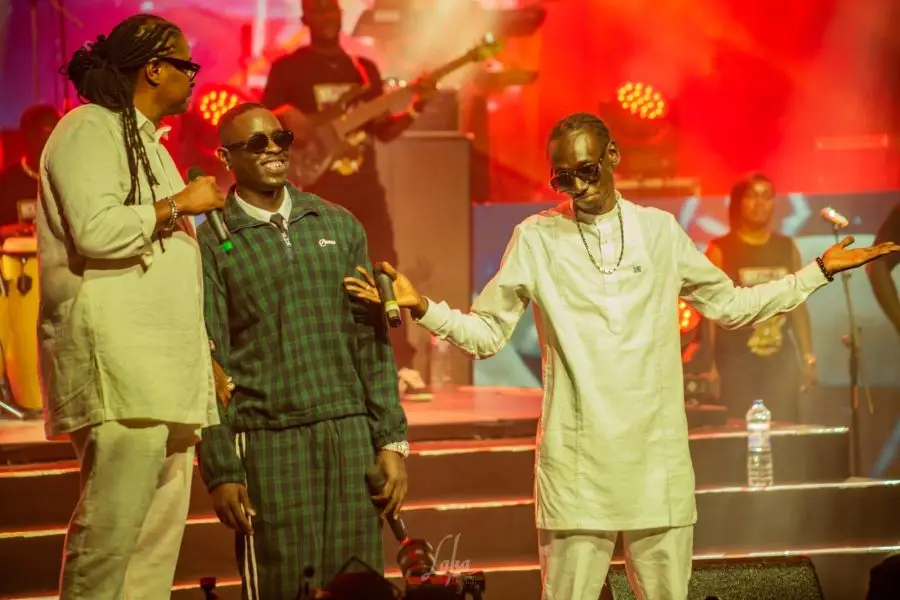
At 11:10 p.m., for a meeting initially set for 9 p.m., the two friends finally appear. Under Saf Niang’s beat, the orchestra takes place: three backing vocalists, two guitarists, two brass instruments, two keyboards, drums, drums… and therefore Saf Niang. Then the first notes of Def Lo Xam resonate in the Grand Théâtre. Five minutes are enough to understand that time has not altered the essential: the mastery of flow, rhythm and stage. Rap grandpas Galsen are back. The hits follow one another: Ataya, Djokko, Pas normal with Simon, Lou Teugue Tass with Baxaw, Youyouma, Merci mon Dieu… a song about ecumenism: Alleluia, Alhamdoulilah, Yalla Bakhna.
Listen and hear
11:39 p.m. Confession time for Awadi. “I sometimes forget the words of this sound. » Duggy Tee calls him: “Mak dik na!” » Thirty years have passed, but Africa is still not deprived… just disunited. Then comes Duggy Tee’s verse about the precarious situation of students. Awadi responds: “Yes, Mr. President.” “No, my party is the PBS. », retorts Duggy Tee. And then Deglou. To hear, you have to listen, it seems. “I have the impression that the government doesn’t care” is echoed by the public. Released thirty years ago, this plea for social justice has not aged a bit. The words still resonate. Duggy Tee calls the authorities again. The public becomes enthusiastic. And suddenly the past looks strangely like the present. Then came Wadiour, with Carlou-D, Na gena metti, with Matador. Pure hip-hop. And Xoyma Xoyma, the first big PBS hit built on a real mbalax beat. Of the second degree, Awadi who even attacks his own stomach. In terms of self-deprecation, Xuman is a master. But he regains his seriousness by recalling a truth: without PBS, there would perhaps have been no Pee Froiss. And therefore no Xuman. “The Grated Newspaper is back on YouTube”. Well placed self-promotion. Then Yaye Bagne gets everyone in agreement with Viviane, the queen of the Djolof Band. Return of the Djely, one of Duggy Tee’s great solo productions. Rap and vocals at the top. The 1990s are not dead. They are still breathing. The past has become the present.
The sound of the Nubians
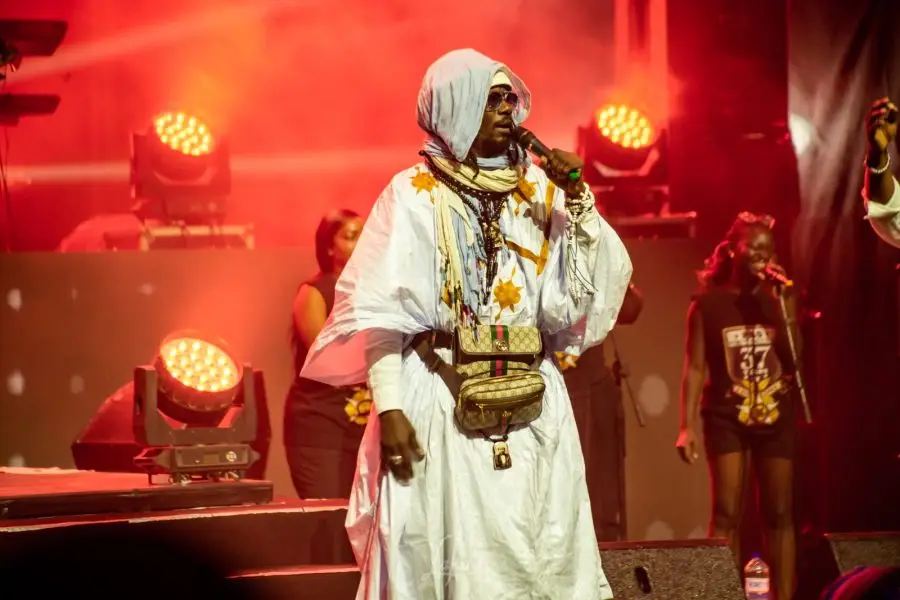
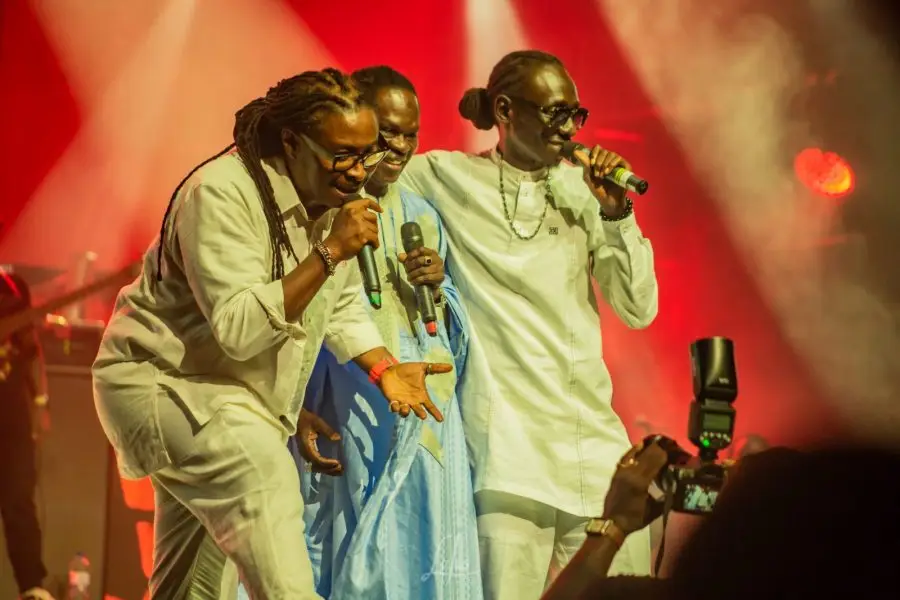
It’s a time that those under twenty cannot experience. A time crossed by giants of Senegalese music who showed the way. Ismaël Lô takes up Africa with intact finesse and elegance. The one-man band gives a real stage lesson, taking the audience by the hand with his lyrical flights. Then come the thrills with Baba Maal. Ah, maybe that’s genius: doing what everyone else does, but in a brilliantly different way. With Taara, the giant that allowed PBS to land one of its biggest contracts is pulling out all the stops. The symbol is perfect. Then Te quiero, this piece by Duggy Tee which ends with an admission: “The musicians are great. » They are mainly Ndanane. Like this reggae track nourished with traditional African sauce, homage to Omar Pène. It’s the turn of the legendary and iconic Nubian Sound. The tempo goes up another notch, with Ngaka Blindé at the top of his art named by PBS: “best rapper of his generation”. The hyphen is there. Generations talk to each other. Awadi sums up the philosophy: “Hip-hop is like a house. Everyone has their own job when it comes to construction. »And they played their role. They built. They transmitted. They resisted.
02:07. Caspi with VJ closes the game. PBS confronted its audience with a simple truth: after 37 years of career, grandpas are still resisting. And not just any resistance: resistance through talent.
Moussa DIOP
