
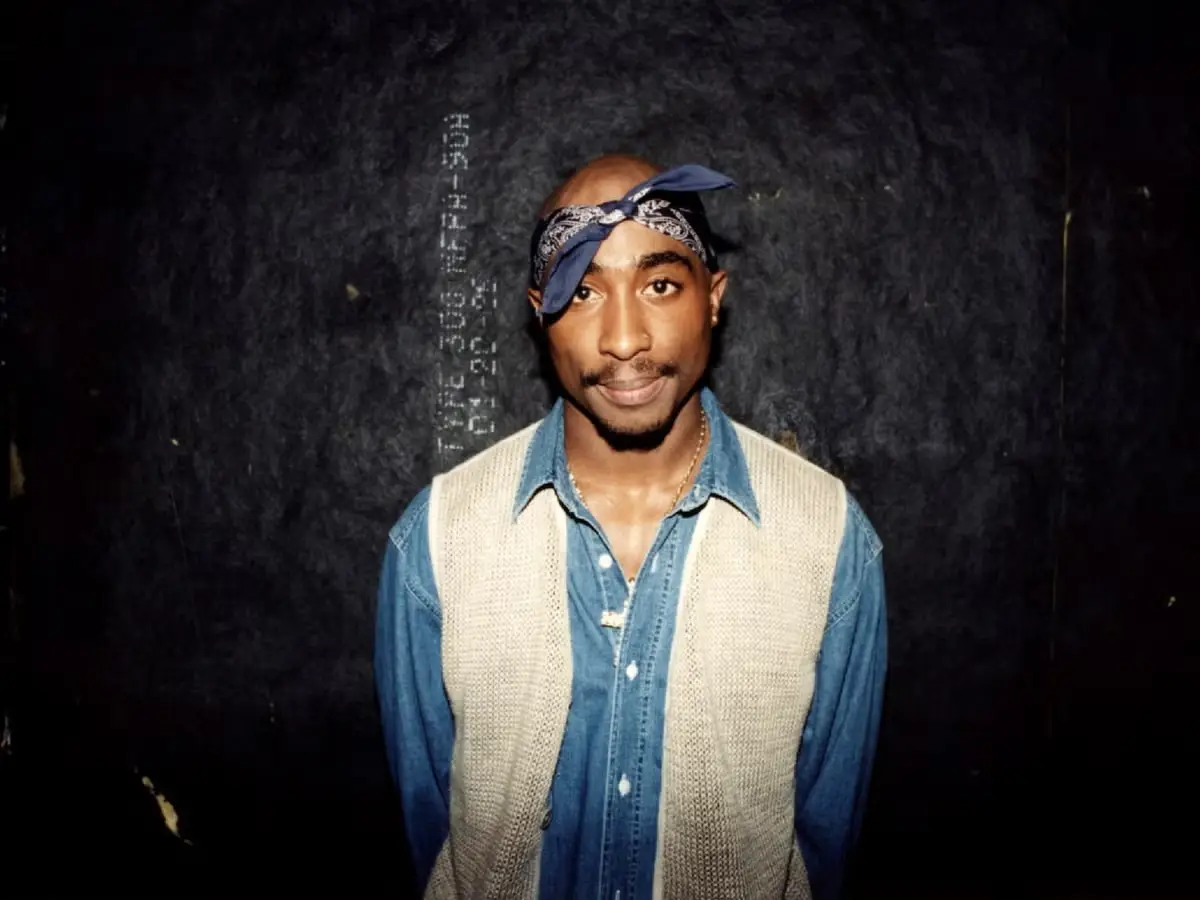
30 years after the murder of Tupac Shakur, the trial opens this August 10
The trial of Duane “Keffe D” Davis, former gang leader accused of orchestrating the murder of rapper Tupac Shakur, opened Monday August 10, 2026 in Las Vegas. The hearing, which is expected to last nearly a month, revives one of the most famous “cold cases” in the United States, thirty years after the death of the Californian hip-hop legend.
On the night of September 7, 1996, Tupac Shakur was fatally shot while driving on the Las Vegas Strip, where he had come to watch a Mike Tyson boxing fight. He died six days later, at the age of 25. The identity of the shooter has, to date, never been formally established, and it is unlikely that this trial will provide a definitive answer.
The prosecution hopes, on the other hand, to demonstrate that Duane Davis, former leader of the South Side Compton Crips (a Californian gang), ordered the assassination and provided the murder weapon, a 40 caliber Glock pistol, which also injured Marion “Suge” Knight, then driving the vehicle where Tupac was. Aged 63, the accused faces life imprisonment without reduction.
An investigation relaunched by public confessions
The case remained unsolved for more than two decades, before the investigation was restarted in 2019, following the publication of Davis’ memoir. He admitted to having been in the car from which the shots had been fired. He later recanted these statements and pleaded not guilty, saying he was in Los Angeles at the time.
Before the trial began, the defense tried unsuccessfully to have the book and a 2008 police interview in which Davis spoke as a witness excluded. His lawyers also argued for the outright dismissal of the indictment, citing a delay of more than 27 years between the facts and the prosecution, which they consider prejudicial to a fair trial: several key witnesses have since died, including Davis’s own nephew, Orlando “Baby Lane” Anderson, long suspected of having shot Shakur.
The ego wars of American rap in the background
The trial promises to reopen the chapter of the rivalry which opposed, in the 1990s, the rap scenes of the west coast and the east coast of the United States. Son of a former member of the Black Panthers, Tupac embodied the sulphurous figure of the label Death Row Records, founded by Suge Knight, in opposition to Bad Boy Records, the New York house of Sean “P. Diddy” Combs, where Christopher “The Notorious BIG” Wallace, in turn assassinated six months later, in a case that was also never resolved.
Whatever the outcome of the trial, it will probably not satisfy those close to the rapper. In May, his half-brother filed a civil complaint, arguing that other individuals involved in the murder have, thirty years after the events, “never been held responsible for their crimes”. This complaint is based in particular on the documentary mini-series Sean Combs: Taking Stock, in which Duane Davis claims, during a police interrogation, that P. Diddy would have offered him a million dollars to have Tupac assassinated.
The first week of the trial will be entirely devoted to the selection of jurors, before the opening of the debates on the merits.
OBN
