
Cultural and creative sectors: launch of the process of validation of acquired experience
The Ministry of Employment and Vocational and Technical Training launched, on Wednesday, the Validation of acquired experience (Vae) system at Bts level applied to the cultural and creative industries (Icc). This pilot phase will allow 100 professionals to have the skills acquired in the field recognized.
Senegal is taking a new step in the recognition of professional skills. By launching the Validation of acquired experience (Vae) in the cultural and creative industries (Icc), the Ministry of Employment and Vocational and Technical Training intends to give academic and institutional value to know-how acquired for a long time only through practice. For this first experiment, 100 professionals will benefit from a certification course leading, in the event of complete validation, to obtaining a state diploma.
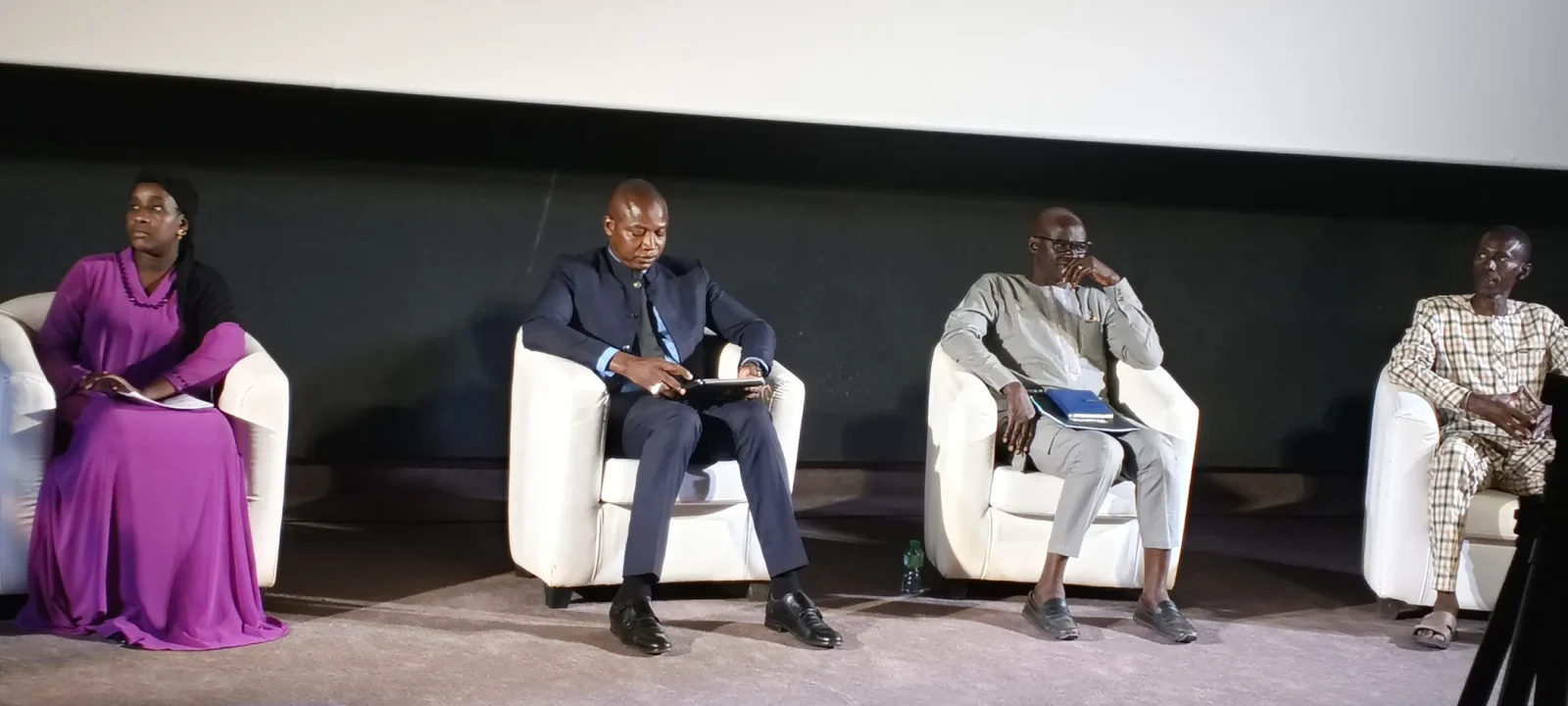
The launching ceremony brought together representatives of the ministries concerned, technical and financial partners, professional organizations as well as stakeholders in the cultural sectors. Everyone welcomed a reform which marks a turning point in national vocational training policy.
Representing the Minister of Employment and Vocational and Technical Training, Diamé Sakho insisted on the scope of this initiative, which he considers to be much more than a simple administrative procedure. According to him, the State is choosing to recognize that “lived experience, diligent practice and know-how forged over the years constitute intangible capital of inestimable value which deserves to be recognized, validated and certified”.
For the authorities, the Vae is an instrument of social justice and economic competitiveness, allowing thousands of workers to officially promote their skills without returning to a traditional training course.
Also read: Audiovisual: 60 young people trained in image and sound professions
This pilot phase concerns four priority certifications: cultural administrator, sound manager, camera operator and lighting manager. The first 100 beneficiaries constitute, according to Diamé Sakho, “a first step intended to gradually expand to other professions in the cultural and creative industries, then to other sectors of the economy where experience often takes precedence over diploma”.
The reform is being implemented in the project dedicated to cultural and creative industries, financed by the European Union and the French Development Agency (Afd) through the Fit Senegal initiative.
Professional training manager at Afd, Délia Bâ welcomed “a major step forward” for cultural professionals. She stressed that, for the first time, the skills acquired over the years in the audiovisual and creative professions will be able to be officially recognized.
According to her, behind each technician, manager or cultural administrator lie “years of know-how, creativity and commitment which fully deserve to be valued”.
Representing the Ministry of Culture, Crafts and Tourism, Louis Dione estimated that this reform completes the implementation of the law on the status of the artist and cultural professionals. “For years, thousands of artists and technicians have had remarkable skills without official certification,” he recalled, believing that the Vae enshrines a fundamental principle. “Experience produces competence and competence deserves to be recognized,” he argued.
For him, the recognition of know-how constitutes an essential lever for the professionalization of cultural professions and the development of the creative economy. He pleaded for the gradual extension of the Vae to all cultural sectors, notably theater, dance, music, cinema, heritage, books, design, fashion and digital creations.
Daouda DIOUF
