
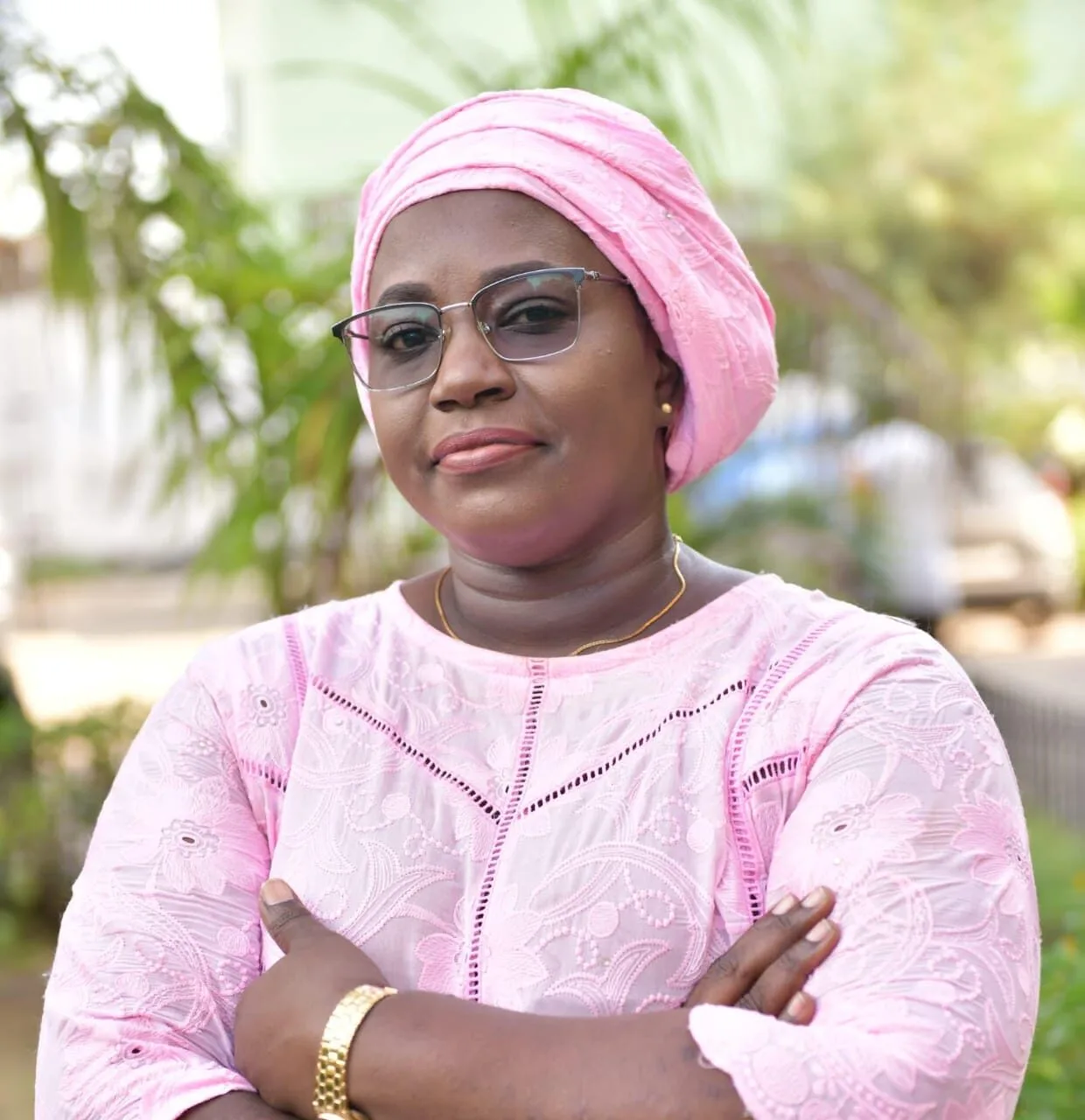
The silence of women is not guilty (By Matel BOCOUM) October 23, 2026
Men raised their voices to denounce the silence of women’s movements following the murder of sixty-year-old Cheikh Oumar Ndiaye by his second wife. But this ignores the fact that silence does not necessarily mean indifference. That of women, far from being guilty, reflects, somewhere, a astonishment in the face of an act that is beyond comprehension.
In the name of universal principles of human rights, women have also condemned this lethal violence. Whether it is committed by a man or a woman, they cannot condone it. A human life remains sacred. No one has the right to kill. Many were outraged when they learned that a young woman of 20, pregnant, had fatally stabbed her husband while he was sleeping, following a family dispute. According to information reported by the press, she accused him in particular of having hit her son, born from a previous union. The news caused a deep stir. Hearts were bruised. Criminal statistics show that women remain a very small minority among the perpetrators of homicides and violent crimes. Globally, men are significantly over-represented among perpetrators of lethal violence. But this statistical reality cannot lead to denying the violence committed by women, particularly within the family.
It is often emphasized that certain forms of violence are less visible: verbal, psychological, emotional or relational violence, bullying, humiliation, moral pressure or harassment. They are often attributed to the fairer sex. In certain homes, marital conflicts, tensions linked to polygamy or even difficulties in cohabitation go so far as to create situations of great violence. If men today denounce what they consider to be outrages of variable geometry, we must recognize that they are not the only ones. Feminists are part of the same dynamic. The sociologist Nathalie Heinich, in her work, “States of Women: Female Identity in Western Fiction”, warns in particular against a conception of justice based on belonging to a category rather than on the examination of the facts. She believes that an individual should not be judged based on their gender, but on their actions.
Making the sex of the perpetrator a determining criterion of guilt would amount to renouncing, according to his explanations, one of the fundamental principles of justice: individual responsibility. It invites us to avoid overly simplistic readings of human relationships and to concretely question the concrete causes which lead to violence: personal history, family environment, education, marital conflicts, insecurity, influence, trauma or even exposure to certain digital content. Under our skies, the murder of Cheikh Oumar Ndiaye also sparked the reaction of men who believe that it is time to talk about certain violence that they say they suffer in the private sphere. While recognizing that women are statistically in the minority among perpetrators of intentional homicide, they mention non-fatal physical violence, but also verbal, psychological and emotional violence. These situations exist and deserve to be heard. Recognizing them in no way means putting all forms of violence on the same level or erasing the documented realities of violence against women. It is rather a matter of remembering that no violence becomes acceptable because it is committed by a woman. In the family space, conflicts can sometimes degenerate.
Marital tensions, rivalries, jealousy, conflicts linked to polygamy or difficulties in cohabitation can give rise to aggressive behavior. But we should not turn these realities into general accusations against women. The silence of women in the face of the murder of a man cannot be interpreted as approval. And the denunciation of the violence suffered by certain men should not be seen as an attack on feminist struggles. Humanity takes precedence over all other considerations.
