
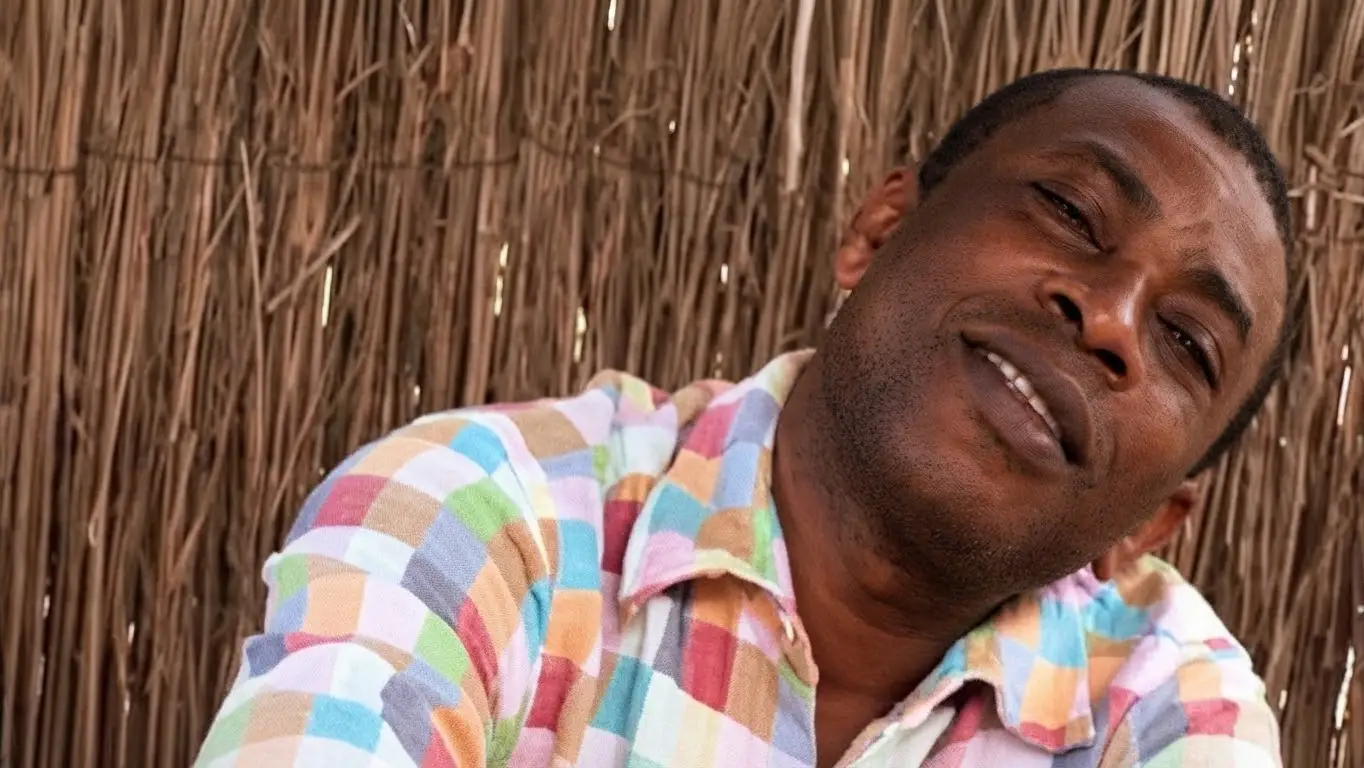
“Telephone”: when Youssou Ndour anticipated the upheavals of digital technology
At 67 years old, Youssou Ndour can look behind him and find, in some of his songs, intuitions that time has continued to confirm. “Phone”, taken from the album Alsama Day, released in April 2007, is a beautiful illustration of this. At a time when the cell phone was just beginning to disrupt habits, the artist was already wondering what it would change in human relationships.
From the first notes, a certain nostalgia sets in. “Guissatuma sa kanam”, he sings: “I can’t see your face anymore”. In a few words, Youssou Ndour captures the paradox of a technology called to bring people together. We can now hear the voice of those who are far away without necessarily going to meet them. In 2007, the mobile phone gradually became part of the daily lives of Senegalese people. It facilitates meetings, shortens distances and makes exchanges almost instantaneous. But behind this new freedom, Youssou Ndour already perceives a deeper transformation. Meetings may become less frequent, long-distance conversations may replace reunions and the voice may replace the face.
When the screen takes the place of the collective
Nearly twenty years later, the view conveyed by the song takes on another dimension. Smartphones and social networks have amplified what the singer seemed to observe from 2007. Moments formerly devoted to collective life seem to have gradually lost ground. Long discussions around the “ataaya” shared with family or friends, stories, board games, and those moments where we met simply to exchange and have fun now occupy a different place in daily life. But today, around the same tea, everyone can be absorbed by their own screen. A conversation can be interrupted in favor of a notification. A team game can give way to a multitude of individual entertainment. The physical presence remains, but the attention is sometimes elsewhere. Through “Telephone”, Youssou Ndour highlights, well before the rise of smartphones and social networks, the way in which a new technology can change our ways of loving, of meeting and, more broadly, of living together.
Almost twenty years after the release of the piece, we only need to observe everyday life to measure the scope of this intuition. The telephone, which was primarily intended to bring together those who are far apart, has also become an object that can separate those who are physically together. A contradiction that Youssou Ndour had already put to music in 2007.
Yaya SOW
