
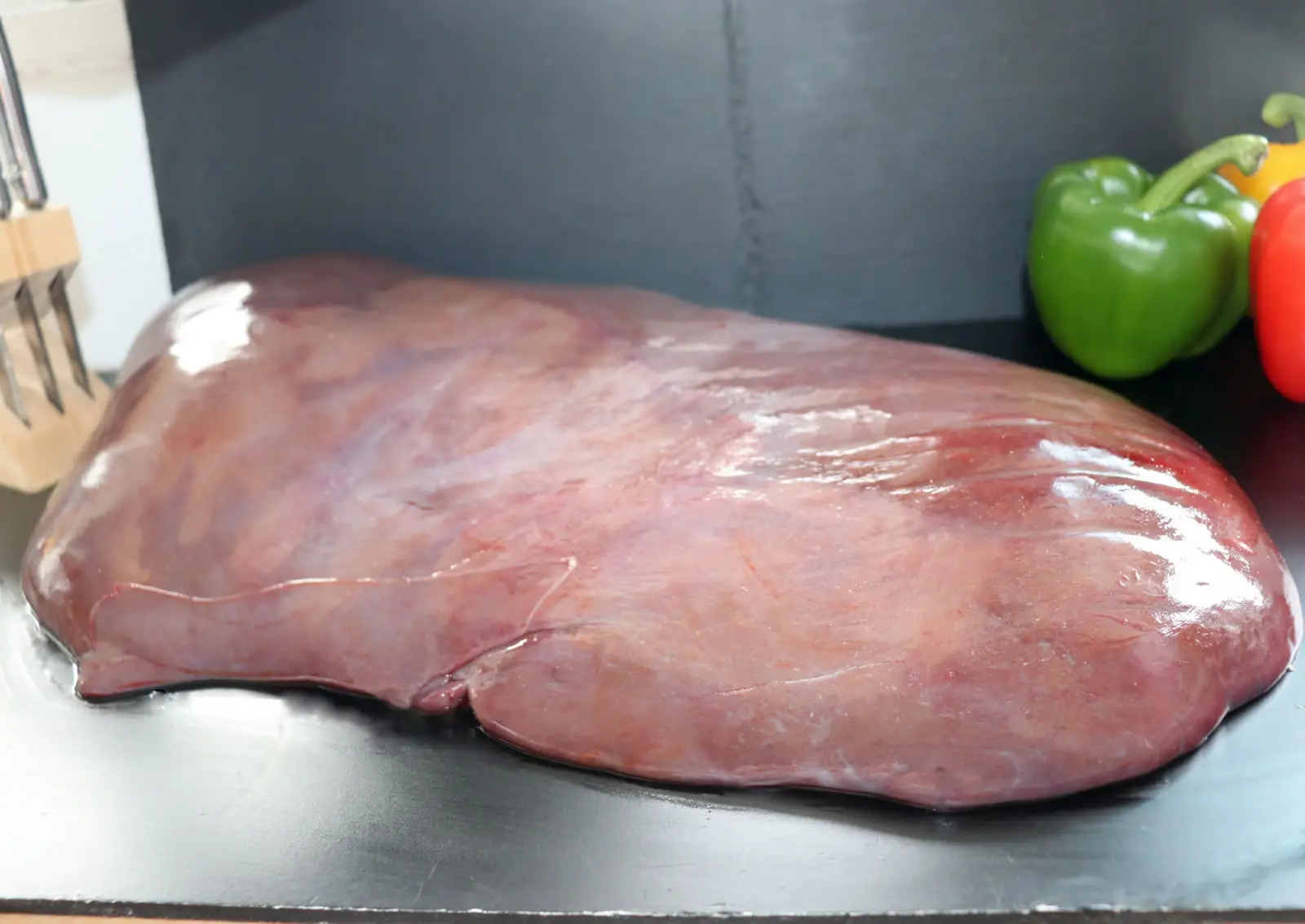
Sanitized plots: more than 1.2 tonnes of beef liver unfit for consumption seized
More than 1.2 tonnes of beef liver unfit for consumption was seized on Monday at Unit 17 of Sanitized Parcels. According to the regional director of Livestock and Animal Production in Dakar, Dr Mamadou Sylla, the products showed signs of putrefaction and risks of bacterial contamination.
A large quantity of imported beef liver was withdrawn from the marketing circuit at Unit 17 of the Sanitized Plots according to the APS. The operation, carried out on Monday by the regional Livestock and Animal Production services of Dakar as part of their control missions, made it possible to seize more than 1,200 kilograms of products deemed unfit for consumption.
Speaking to the Senegalese Press Agency (APS), the regional director of Livestock and Animal Production in Dakar, Dr Mamadou Sylla, indicated that the seized products were “poorly preserved” and showed the beginnings of putrefaction. This situation would have favored the development of salmonella and other bacteria likely to present risks to the health of consumers.
The manager recalled that meat products are particularly perishable and must be subject to strict conservation conditions. He particularly insisted on the ban on defrosting meat before refreezing it. He also stressed that the marketing of meat products must take place after their control and approval by veterinary services.
This seizure comes in a context marked by concerns linked to food security, in particular with the cases of collective food poisoning (TIAC) reported in Kébémer, in the north of the country. Dr Mamadou Sylla believes that the consumption of poorly preserved food products can promote the occurrence of such conditions, the consequences of which can be particularly serious in children under five and the elderly.
In its situation update as of November 9, the Ministry of Health and Public Hygiene reported 649 cases of this acute digestive syndrome, while specifying that no serious cases or deaths had been recorded.
Beyond this operation, the regional director draws attention to the conservation and display practices of meat in markets. He particularly deplores the presence of imported chickens and poultry legs exposed to the open air, sometimes under high temperatures. A situation which, according to him, can have significant health consequences.
It therefore calls for strengthening consumer awareness and vigilance in markets, warehouses, butchers, delicatessens and dairies, in order to prevent the risks linked to the marketing of meat products unfit for consumption.
