
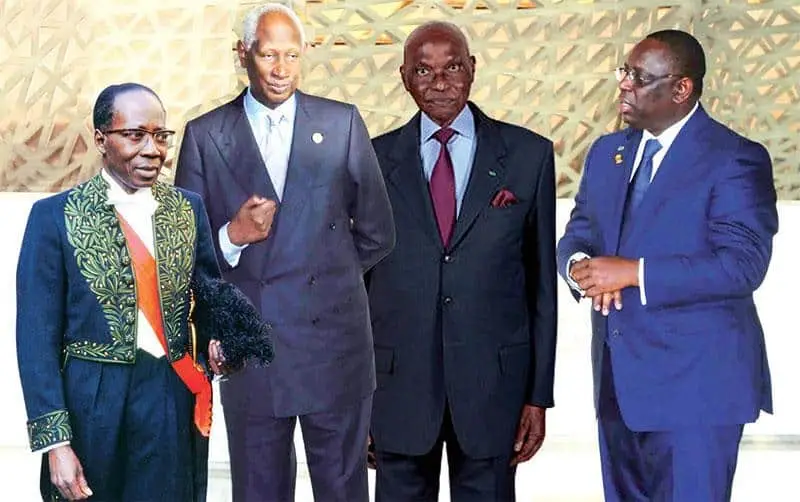
Power, depending on the coalitions
The regimes that have succeeded one another in Senegal have essentially been built and consolidated around broad political coalitions. However, these alliances have had contrasting trajectories. Their weakening accompanied or even often precipitated the loss of power.
Forty years in power (1960-2000). The Socialist Party (PS) governs, without a formal political coalition. Before becoming the Socialist Party (PS), however, the party went through many ups and downs, marked by successive recompositions and mergers. These different sequences gradually contributed to the construction of a broad and structured political formation.
Socialist power finds its origins in the Senegalese Democratic Bloc (BDS) founded by President Léopold Sédar Senghor in 1948, which merged in 1958 with the Senegalese Socialist Action Party of Lamine Guèye and became the Senegalese Progressive Union (UPS). This organization was renamed the Socialist Party in December 1976. It established itself over the long term on the political scene and governed Senegal for four decades.
A limited opening to pluralism, codified by the law of March 19, 1976, authorized three political currents (socialist, Marxist-Leninist, liberal), then full multipartyism was established in 1981, under the presidency of Abdou Diouf.
PS, open up to calm popular tension
When socialist power was weakened by street protests, the then President of the Republic, Abou Diouf, chose to form governments of national unity.
He twice associates the opposition, and in particular Abdoulaye Wade, with the exercise of power. These collaborations were noted in 1991 and then in 1995. Me Abdoulaye Wade was appointed Minister of State to Abdou Diouf. Some of his collaborators including Ousmane Ngom and Idrissa Seck among others will also join the government. These episodes of government cohabitation, however, remain occasional and do not constitute political coalitions, strictly speaking.
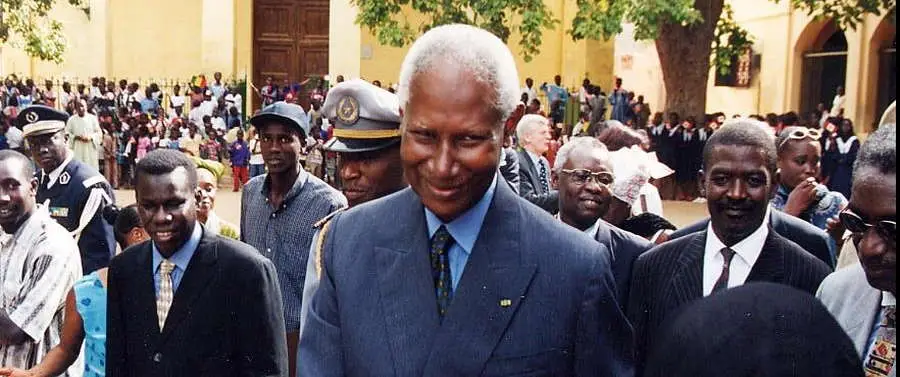
Me Abdoulaye Wade elected with the support of a broad coalition
Senegal’s first alternation took place in 2000. This took place under the leadership of the Coalition for Alternation 2000 (CA2000), led by the candidate Mr. Abdoulaye Wade. CA 2000 was united around several historic opposition groups: the Independence and Labor Party (PIT) of Amath Dansokho, the Democratic League/Movement for the Labor Party (LD/MPT) of Abdoulaye Bathily, as well as And-Jëf/PADS of Landing Savané.
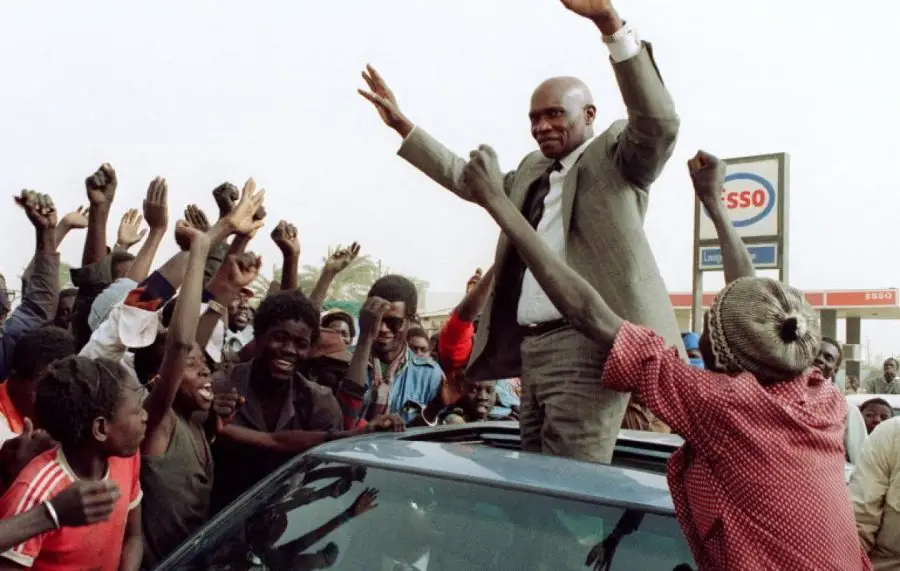
The rallying of Moustapha Niasse, Alliance des Forces de Progrès (AFP) in the second round proved decisive for the victory of President Abdoulaye Wade, who put an end to forty years of socialist power.
CAP 21 (Convergence of Actions around the President of the Republic for the 21st century) was created on August 25, 2001. It initially brought together 25 parties from different political sensibilities and gradually became a support structure for the presidential majority.
Furthermore, the CA2000 continues into the Sopi Coalition, the main force supporting power throughout President Wade’s two terms. Several historical allies of the CA2000, including the PIT and the LD, gradually left the presidential movement over the course of the first and then the second mandate. The PDS lost power in 2012.
BBY, to bring Macky Sall to the presidency
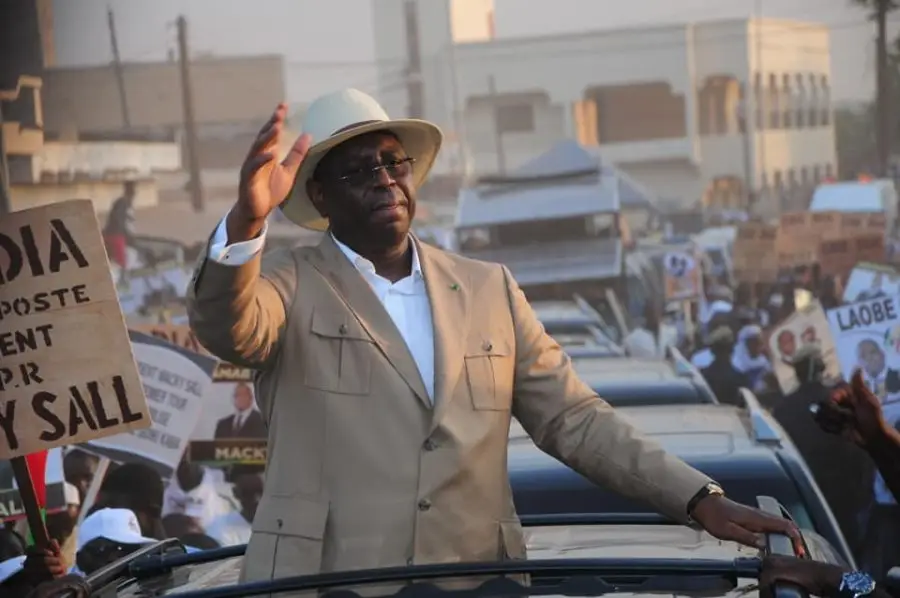
The Benno Bokk Yakaar (BBY) coalition took power in 2012. Born in the context of the 2012 presidential election, BBY constitutes one of the largest political groupings in the recent history of Senegal. Around Macky Sall and the Alliance for the Republic (APR), it then brought together groups from various sensibilities, notably the Socialist Party (PS), the Alliance of Forces for Progress (AFP), the Democratic League (LD) and several movements and parties from the movement of the former Benno Siggil Senegal. Its originality lies precisely in this capacity to bring together political forces with specific identities.
But this diversity also constituted its main fragility. Individual ambitions, territorial interests and party strategies gradually took over.
Macky Sall’s non-candidate for a third term revives ambitions and sets up a deleterious climate sanctioned by the loss of power in 2024. The BBY coalition is formally dissolved on September 2, 2024, following the electoral defeat against the candidate of the Diomaye President coalition, President Bassirou Diomaye Faye.
O.BA
