
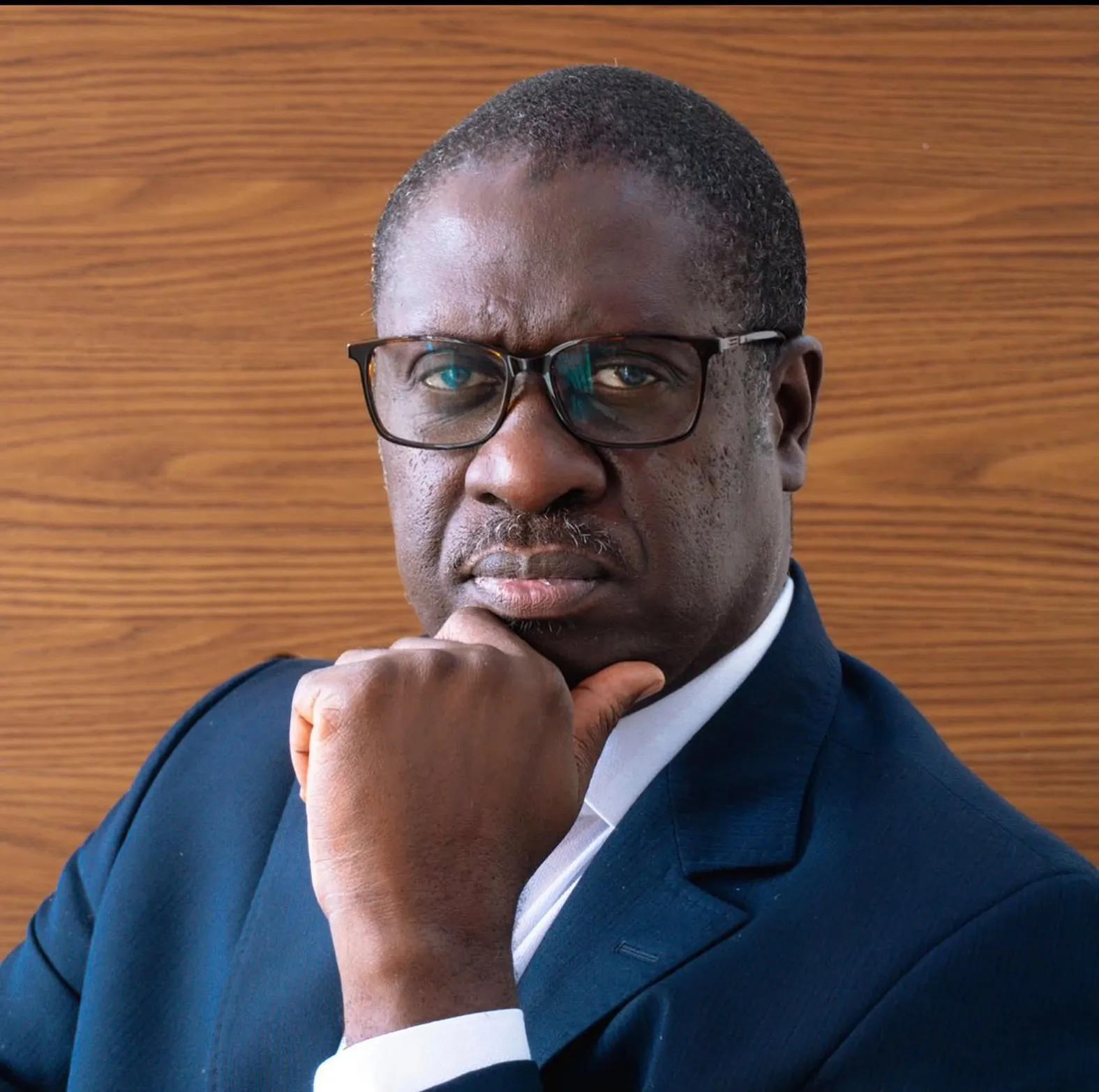
Mbaye Hadj: “The main obstacle remains the financing of products” October 3, 2026
The electrical engineering engineer and clean energy consultant, Mbaye Hadj, analyzes, in this interview, the dynamics of integration of solar energy in Senegal. He considers that demand, which has become significant, is hampered by the high cost of products and difficulties in accessing financing.
How do you think solar power can be a credible alternative?
Solar power can actually be a big alternative because you have to understand that solar power can be used both in rural areas, but also in urban areas.
First, in rural areas, there are Senegalese people who do not have access to electricity. The best way to satisfy them is to deploy networks that are completely disconnected from the circuit. That’s a first element. The second aspect concerns the residences. In Senegal, the kilowatt hour is expensive in urban areas with Senelec. And solar power can actually be a very interesting alternative to not eliminate, but at least mitigate these factors. The last element concerns SMEs. They can benefit from the presence of solar power to improve their charges.
How do you assess the dynamics of solar adoption by households and businesses in Senegal?
In Senegal, everyone is talking about solar and everyone wants to go solar. But the main obstacle remains the financing of the installations. This is a problem to be resolved. Individuals and businesses are keen to adopt solar power. But the obstacle is really the initial investment that poses a problem for them. The central State must organize this sector to help households and SMEs move towards solar power with financial support. I always give the example of subsidies, particularly in the electricity sector. This support, indeed, if we start with the most vulnerable, that is to say those who consume little, we could support them with credits which do not exceed 1.5 million FCFA. There are even some who will be at 1 million perhaps because they do not consume. We support these types of consumers financially. I can assure you that subsidies will decrease from year to year. Afterwards, we will be able to gain momentum with consumers who wish it. This is the same strategy that must be adopted for businesses.
How, in your opinion, can solar be a catalyst for SMEs and a factor in industrialization?
I work with some SMEs who want to go solar. It’s only beneficial. I give an example. An SME or service that operates during the day from 8 a.m. to 5 or 6 p.m., with perhaps those who work overtime. This type of client works as the sun goes by. Its agents are present from 8 a.m. to 6 p.m. while the sun is out. There are facilities typically suited for these types of businesses. This formula can reduce their bill by up to 90%. And if these workers do not work overtime, the drop can be up to 95%. Current converters really allow this to be done and in a very intelligent way. During winter periods with rain, the system automatically calls on Senelec to compensate. The priority remains on solar power, to make real savings. Solar systems can be a catalyst for SMEs and for these services, thanks to the operation of new generation inverters which are very intelligent.
How are the prospects for solar energy shaping up in Senegal?
Solar power, whether in Senegal or around the world, is like a wave arriving. Currently, this energy source is making significant progress around the world, particularly in China, where the majority of equipment comes from.
Senegal will not be left out. More and more consumers are migrating to solar with their own investments. In this dynamic, we can foresee good prospects for this clean and renewable energy.
Interview conducted by Demba DIENG
