
Fight against disinformation: towards the creation of a West African network
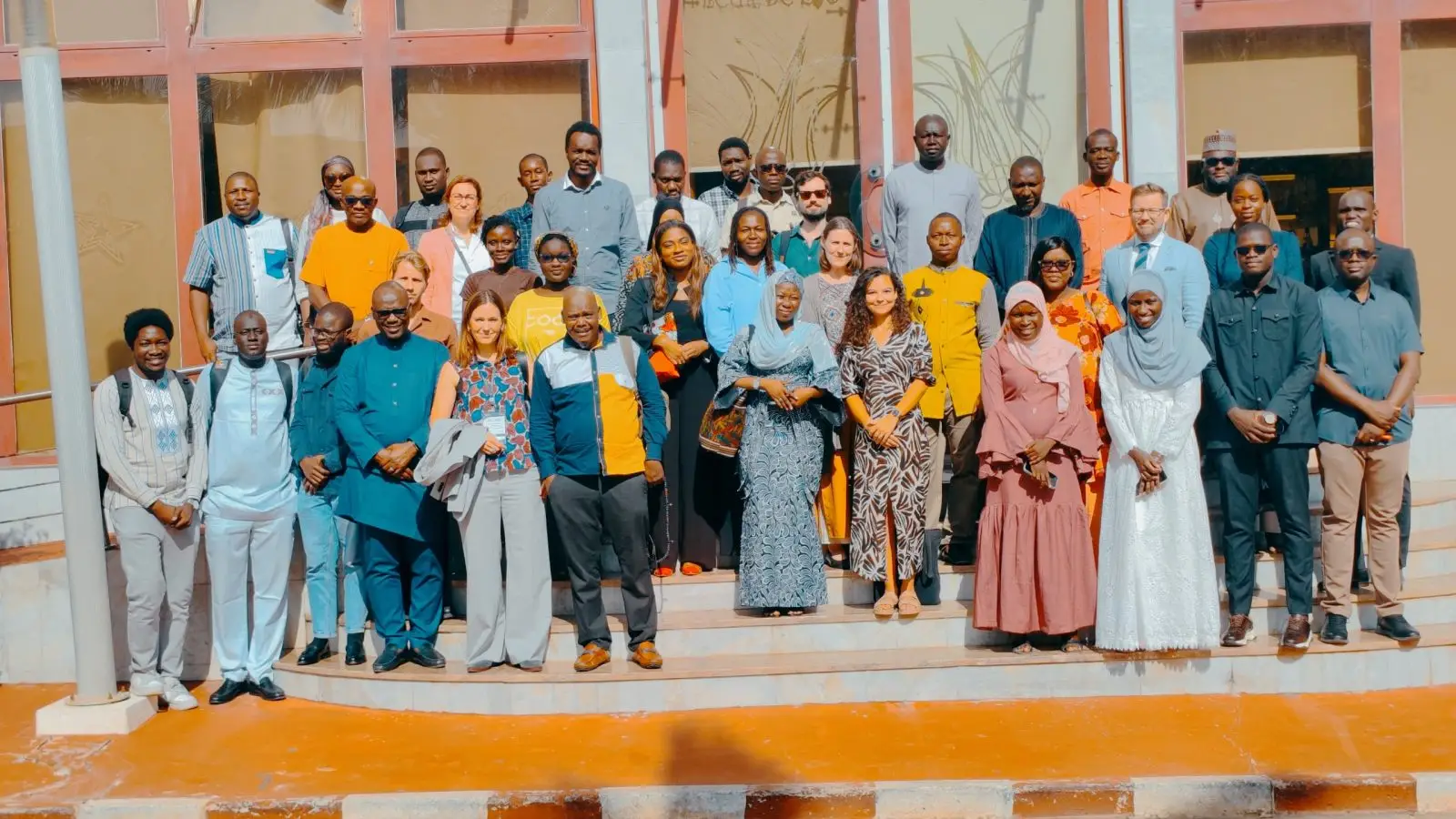
Strengthening regional cooperation in order to prevent and combat cross-border disinformation in the AES area and in West Africa, while promoting social cohesion, peace and informational resilience, is what sub-regional media actors are aiming for. Hence, the holding in Dakar of a sub-regional conference (from October 6 to 7) on the theme whose aim is to lay the foundations of the “West Africa Info watch” network.
Faced with the proliferation of fake news and deepfakes, according to African media and civil society actors, it is urgent to act in order to define lasting monitoring, alert and response mechanisms and to prioritize concrete actions in terms of media education, capacity building and production of reliable content in local languages. Productions which, according to them, respond to identified challenges and contribute to democratic stability, peace and sub-regional security.
“Faced with a cross-border threat, collective defense is effective. This conference is therefore welcome for us because it is a space of convergence, a space of learning, a space of construction,” explained the Benbéré Coordinator, Abdoulaye Guindo.
Thus, during these two days, these media professionals will analyze forms of disinformation. They will explore the difficulties linked to the use of artificial intelligence. And also, they will think about the ideas of civil institute organizations, military platforms.
But above all, they will work on something more ambitious: the construction of a sustainable and cooperative mechanism, capable of feeding, sharing, exchanging good practices, and strengthening informational resilience together.
“Our ambition is simple, to transform this meeting into a particular and lasting policy, to ensure that journalists, researchers, individuals, organizations of civil institutes, citizens, remain connected, because information also works in a network,” he added.
It is worth noting that according to DataReportal, the data platform on internet and social media usage, at the start of 2026, the compiled total of internet users from the 16 West African countries stood at 196,072,000. Over the same period, there were 99,732,000 social media users in the West African region.
In reality, the ambition to lay the foundations of the “West Africa Info watch” network offers the opportunity to create, according to the Sahel representative of International Media Support (IMS), Djibril Seydou, a permanent regional mechanism for alerting, sharing information and correct responses.
“Its credibility will depend on our ability to define together a clear vision of inclusive governance and a realistic method of collaboration and an operational meeting for the years to come. I therefore invite each participant to conduct the expertise and spirit of the operation with frankness,” added Djibril Seydou.
Develop mechanisms adapted to African languages
For the IMS representative, we must invest in human and technical skills, support the media and local organizations and develop mechanisms adapted to African languages. In this sense, he advocates the promotion of media education and the defense of an essential balance between the fight against harmful content and the protection of freedom of expression.
For her part, the deputy head of mission at the Royal Danish Embassy in Dakar, Nille Gry Olesen, also noted that “reliable” information allows everyone to understand the decisions that concern them, to ask questions and make their own choices.
“We must invest in trust. Verifying and correcting false information is essential. But we must also give citizens access to quality journalism, diverse sources and information useful to their daily lives. This requires independent media that have the means to work. Journalists who can investigate without fearing for their safety,” she argued.
The representative of the Danish embassy in Dakar also believes that the fight against disinformation must protect freedom of expression. It must respect human rights.
“It must never be used as a pretext to silence critical voices or hinder the work of journalists. This responsibility also concerns digital platforms. They must take better account of languages and local realities,” she said.
On this, Ms. Olesen calls for strengthening regional cooperation. Because, she notes, disinformation campaigns cross borders and circulate in several languages. The actors who detect them, she maintains, must be able to quickly share their analyzes and alerts to better respond to them together.
Mariama DIEME
