
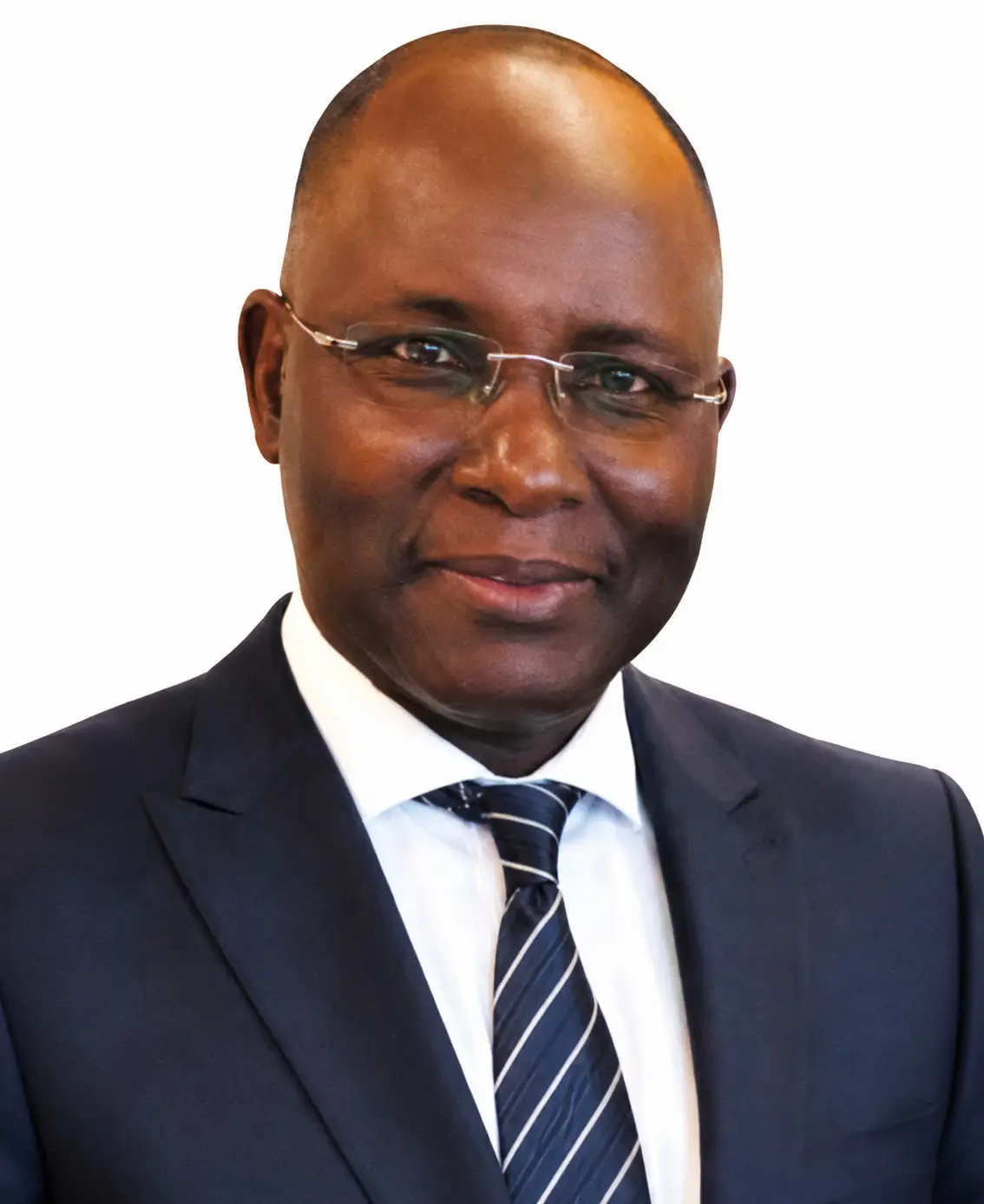
Dr Mouhamed Ndiaye: “The Ptds can help improve the debt profile” September 5, 2026
For Mohamed Ndiaye, doctor of economic sciences, economist, financier and expert in public policies, the real value of the agreement with the IMF lies in the confidence that it can help to restore, the mobilization of additional financing and the possibility of gradually rebuilding the margins of maneuver necessary for financing development..
Senegal and the IMF have reached an agreement for a new three-year program, accompanied by a disbursement of 2.2 billion dollars. How do you assess the progress of the negotiations?
The successful conclusion of these negotiations constitutes an important step. It reflects the capacity of the Senegalese authorities to conduct a demanding dialogue with the IMF and to build a new economic and financial trajectory for the country. But we must understand the real scope of this agreement. The $2.2 billion alone does not constitute the solution to Senegal’s financial problem. The real value of this agreement lies in the confidence that it can help to restore, in the mobilization of additional financing and in the possibility of gradually rebuilding the margins of maneuver necessary for financing development. The most important thing therefore begins now: transforming the commitments made into credible reforms, measurable results and concrete improvements for the economy and populations. Ultimately, the agreement with the IMF is not the end of the recovery; this is the starting point for restoring Senegal’s economic credibility.
How can the successful conclusion of the negotiations constitute a signal for technical and financial partners and investors?
The agreement firstly constitutes a signal of confidence. When a country manages to establish with the IMF a credible trajectory of reforms, budgetary consolidation and debt management, this provides all financial partners with a reference framework to assess the solidity of this trajectory. This is particularly important for Senegal, which must now recreate an environment favorable to the mobilization of concessional resources, financing of development and the gradual return of private investors. But we must be lucid: the agreement with the IMF is an important condition, but it does not automatically guarantee the return of investors. They will mainly look at Senegal’s ability to translate the program into action: predictability of public policies, control of budgetary risks, transparency, improvement of the business climate, legal security and capacity to generate sustainable growth. Investor confidence cannot be decreed; it is built by the coherence between announcements, reforms and results. We could even summarize the situation as follows: the IMF can help open the door to international financing; it is the quality and consistency of our reforms that will allow investors to enter and, above all, to stay.
At the same time, a strategy called Ptds was launched. How do you analyze this plan?
Senegal’s Debt Treatment Plan constitutes, in my opinion, the essential complement to the new agreement with the IMF. The issue of debt is not just about its level. We must also look at its cost, its maturity, its reimbursement profile and above all the weight of its service on public finances. When debt service absorbs such a large share of state revenue, these are resources that cannot be devoted to infrastructure, education, health, agriculture or support for productive investment. The Ptds can therefore contribute to improving the debt profile, reducing financial vulnerabilities and gradually restoring budgetary margins. Its expected effect on the real economy is also significant, in particular through the gradual discharge of State obligations towards suppliers, which will make it possible to reinject liquidity into the economic fabric. But we must go further. The treatment of the debt must imperatively be accompanied by a profound transformation of the quality of public spending. There would be no point in reorganizing the debt today if the same imbalances were to reappear tomorrow. The Ptds must therefore not only reduce the burden of the debt; it must help the State to finance what can once again finance development. This is probably one of the major challenges of the coming years: moving from debt crisis management to a real strategy of sustainability and financing of development.
Demba DIENG
