
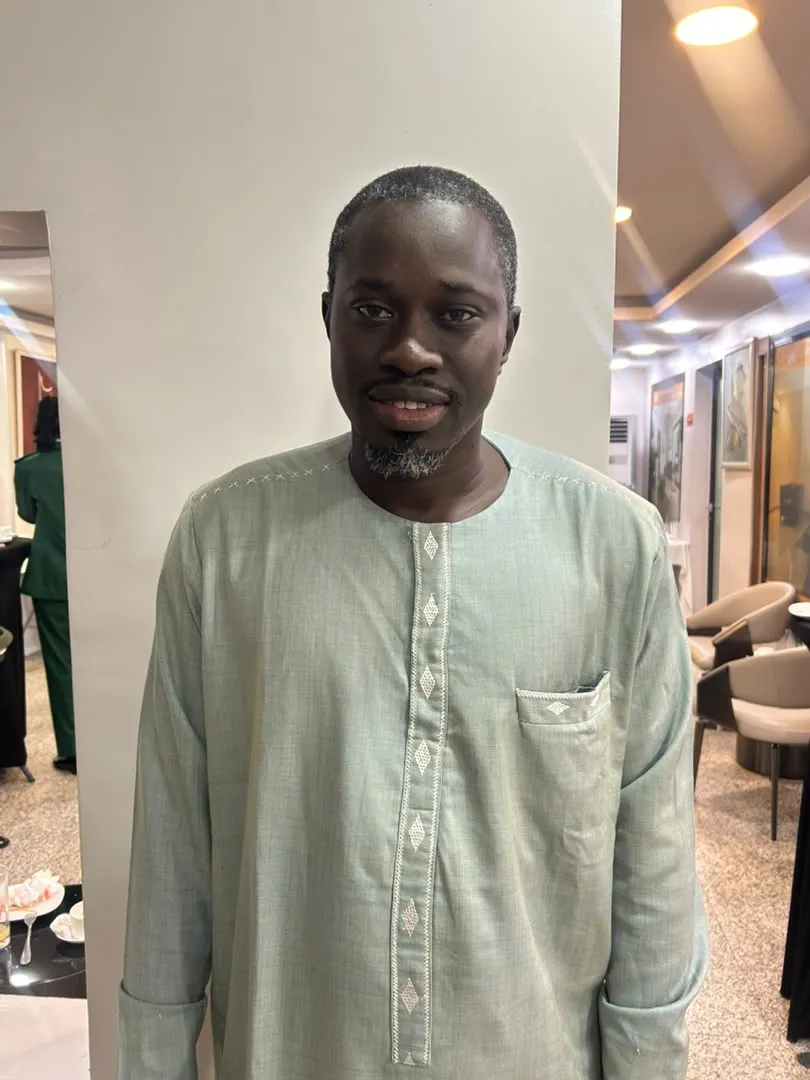
Wally Ndiango Ndiaye: “Senegal has the potential, it now needs the method”
The development of aquaculture cannot be to the detriment of marine ecosystems. Sector specialist, Wally Ndianco Ndiaye returns, in this interview, to the oceanographic conditions, environmental constraints and scientific requirements that must accompany Senegal’s aquaculture ambition.
Senegal displays strong ambition for aquaculture. What are the oceanographic and environmental conditions essential for truly sustainable development?
You need good quality water, with a relatively stable temperature, a high salinity adapted to the species, a sufficient level of oxygen and, of course, the absence of pollution. Our coastline has a considerable asset, the upwelling of cold and rich waters, the upwellings, off the Grande Côte and the Petite Côte, as well as very productive estuaries like the Saloum and the Casamance. But be careful, each site has its limits. A good site is chosen based on measurements, not intuition. It is necessary to study the currents, the depth, ensure a place sheltered from the swell, and check easy access to markets and ports. It is at this price that we will avoid unpleasant surprises. Logistics must also be integrated: availability of quality juveniles, food, cold, laboratories, diagnostics and rapid means of transport to markets. An isolated farm, even if well located oceanographically, can fail for lack of services. Planning must be both marine and terrestrial.
Exactly, you mention the limits. What are the main environmental risks linked to the development of aquaculture operations in marine environments?
The major risk is the pressure on coastal ecosystems. If we set up farms without a serious impact study, we can disturb seagrass meadows and mangroves, which are natural nurseries. Then there is the risk of rejections. These include, among other things, excrement, uneaten food and drug residues. Poorly managed, these discharges can cause local eutrophication, that is to say a proliferation of algae which depletes oxygen and asphyxiates the environment. There is also the risk of escape of exotic species or contagious diseases for wild populations. Finally, the concentration of cages can create conflicts of use with artisanal fishing and tourism. The whole thing is avoidable, but it requires strict regulation and continuous monitoring. Senegal has the potential. Now he needs the method. Regulation must be proportionate, transparent and applied to all, small and large operators. It requires regular inspections, clear discharge thresholds, health monitoring of livestock and complaints mechanisms accessible to local residents. Without this credibility, conflicts multiply and the sector loses its social license.
Do climate change and rising water temperatures directly threaten these activities?
Yes, and it is perhaps the most difficult threat to contain. Warmer water means less dissolved oxygen, slower growth, increased sensitivity to pathogens. Episodes of mass mortality are becoming more frequent. The upwellings I was talking about could be disrupted in their intensity and seasonality. Not to mention ocean acidification, which affects shellfish and crustaceans. Aquaculturists will have to adapt. They will have to choose more tolerant species, shift production cycles and install oxygenation systems. But adaptation has a cost, and not everyone will be able to follow. This is why research and public support are essential. Insurers, banks and public authorities must understand these risks to offer suitable guarantees and credits. Otherwise, only the strongest players will resist, to the detriment of inclusive and territorialized aquaculture.
Does Senegal currently have enough scientific data to identify maritime zones favorable to aquaculture?
Honestly, we have the basics, but they remain fragmentary. Oceanographic campaigns exist, in particular thanks to the Agricultural Research Institute (Isra), and international cooperation. We know better about upwellings and general circulation. But at the local scale, to choose a precise site, fine measurements are often lacking, including tidal currents, detailed bathymetry, seasonal water quality and seagrass mapping. Without this data, we are moving forward blindly. We need an atlas of suitable areas, updated and accessible to project leaders. It is a modest investment compared to the risks avoided. This atlas should combine physical, biological and socio-economic data: currents, winds, bathymetry, water quality, presence of seagrass beds, fishing zones, port access and market. It should be updated and consultable online, with sheets per site and recommendations for maximum loads.
How, then, can we reconcile the increase in aquaculture production with the preservation of marine ecosystems?
Through spatial planning, we cannot establish anywhere, anyhow. Dedicated aquaculture areas must be defined, avoiding breeding areas, sensitive seagrass beds and migration corridors. Then, standards must be imposed, namely limited storage densities, sustainable food and integrated pest management. And above all, involve local communities. Artisanal fishermen must be involved, not spectators. Sustainable aquaculture does not mean opposing production and the environment, it means thinking about them together. With strong governance and scientists listened to, it is possible. This requires local monitoring committees, coexistence contracts with fishing and tourism, and local taxation which finances surveillance. The method also involves data transparency and the education of project leaders.
Comments collected by Pathé NIANG
