
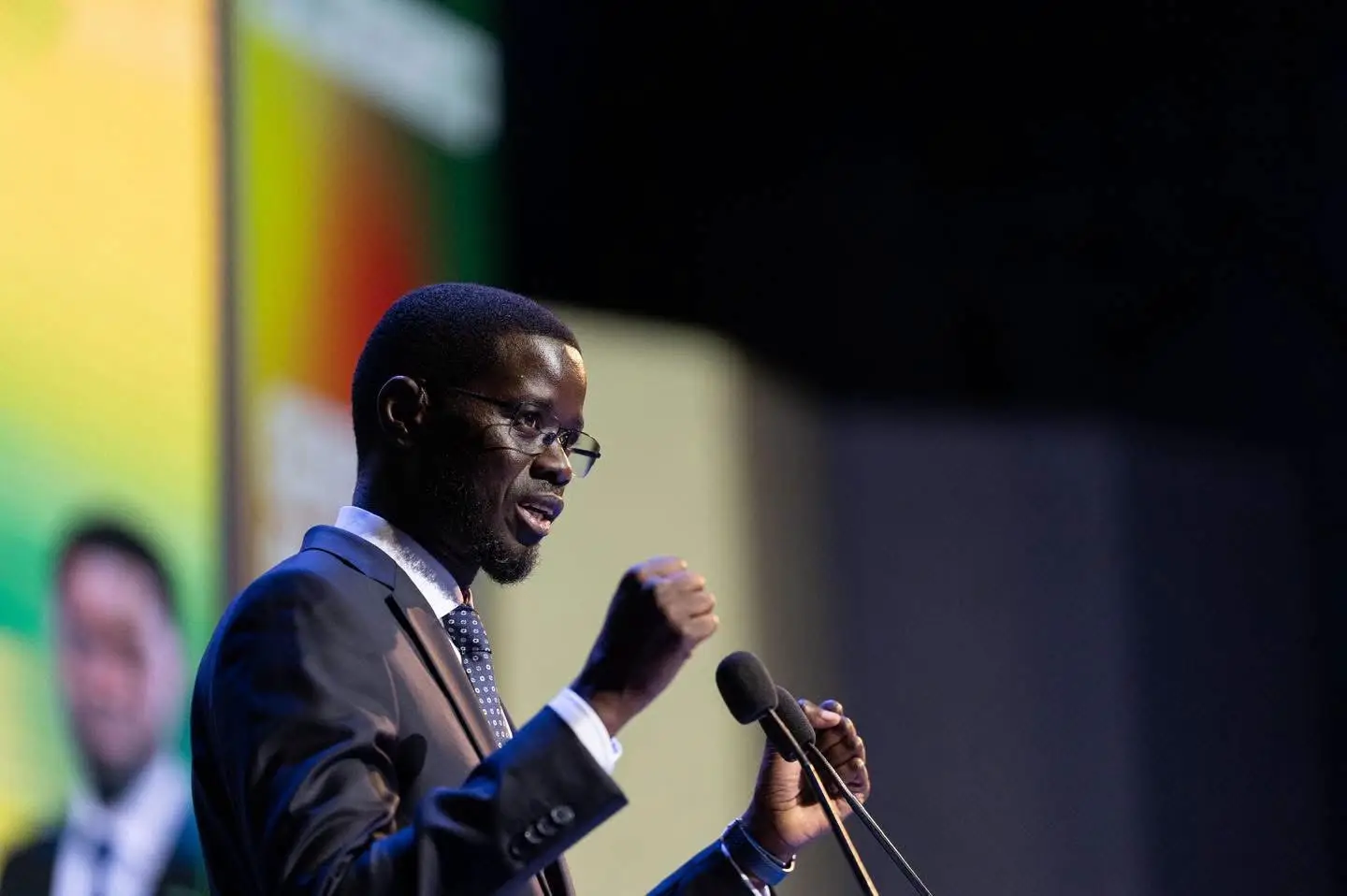
CCJS: The challenge of institutionalized youth involvement
Officially installed on September 29 by the President of the Republic, Bassirou Diomaye Faye, the Senegal Youth Consultative Council (CCJS) aims to be a permanent space for exchanges and dialogue. It encourages the active participation of young people in the implementation of public initiatives that concern them.
Through the Senegal Youth Consultative Council (CCJS), young people are invited to become more involved, with responsibility, in all issues of public governance. Here, their voice counts in the consultation process. The vision is heard, expectations are taken into account and concerns formalized. This system thus makes it possible to establish a structured dialogue to better integrate aspirations into public reflection and action.
A global representation
Apart from a few administrative designations, the choice of members of the CCJS essentially comes from an electoral process initiated at the grassroots. Elections are organized at the municipal, then departmental and regional level. The system is based on equal representation: at each level, a boy and a girl are elected. The CJF is made up of 47 advisors representing the different categories of young people in Senegal, with 28 elected regional representatives who constitute the national body. 14 advisors come from national organizations. The status of advisor is reserved for any young person aged 15 to 35, elected by their peers, following a majority vote, specifies Decree No. 2025-1962 of December 5, 2025 creating and setting the rules for the organization and operation of the CCJS.
Role of the CCJS
The Senegal Youth Advisory Council (CCJS) collects the concerns, expectations and proposals of youth, then analyzes and prioritizes them according to the issues and priorities, according to the Council texts. The objective is then to transform this collective expression into structured proposals. The CCJS thus constitutes a space of interface between the aspirations of youth and public authorities, by promoting permanent dialogue.
Crucible of reflections
The Advisory Council’s reflections and proposals mainly focus on the major issues that directly affect Senegalese youth: employment and professional integration, professional and technical training, entrepreneurship, education, the environment, but also access to economic opportunities, citizenship and the participation of young people in public life.
Empowering youth
This involves offering young people a formalized framework to express their expectations, compare their experiences and participate in reflection on the issues that directly concern them. The CCJS does not have decision-making power that would replace that of the State. His vocation is elsewhere. Youth are moving from the status of simple beneficiaries of public policies to that of stakeholders in their design.
The CCJS’s funding arrangements
Reading Decree No. 2025-1962 of December 5, 2025, the financing of the CCJS is well regulated. The text was published in the Official Journal n°7876 of January 17, 2026. The decree devotes its article 16 to the financial resources of the Council. It provides that these consist in particular of State subsidies, resources from development partners, donations and legacies. The operation of the CCJS is primarily based on public funding, but the decree also opens up the possibility of mobilizing external resources, particularly from development partners.
The system also provides for coordination with the state administration. The Minister responsible for Youth provides the CCJS with a permanent secretary, chosen from among State agents in the A hierarchy or equivalent and with at least five years of experience. Under the authority of the President, this permanent secretary ensures the regular functioning of the Council. The President is the principal governing authority of the Council. He is elected by the national college and must be at most 35 years old at the time of his election. His term of office is three years, renewable once.
O.BA
